Home / Products / BIB Packaging For Food & Beverage / Edible Oil & Condiments
Suzhou Jingle Packaging Technology Co., Ltd.

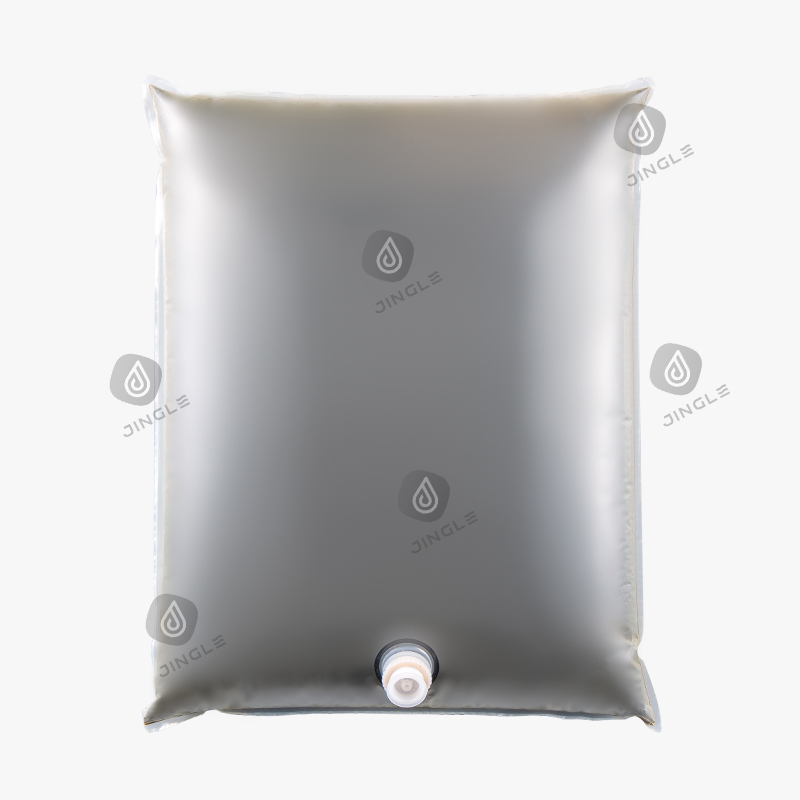
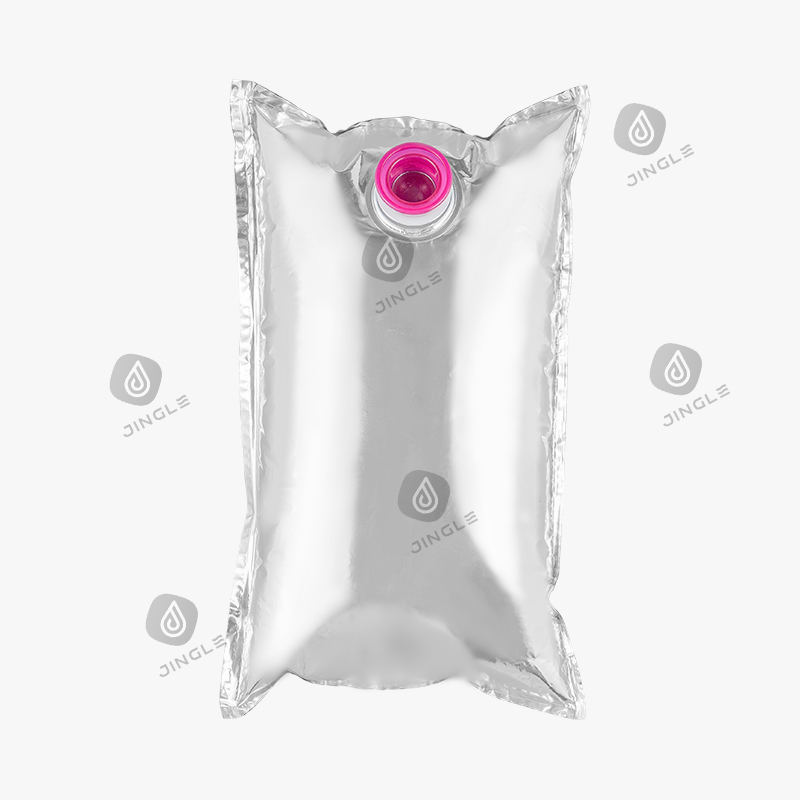
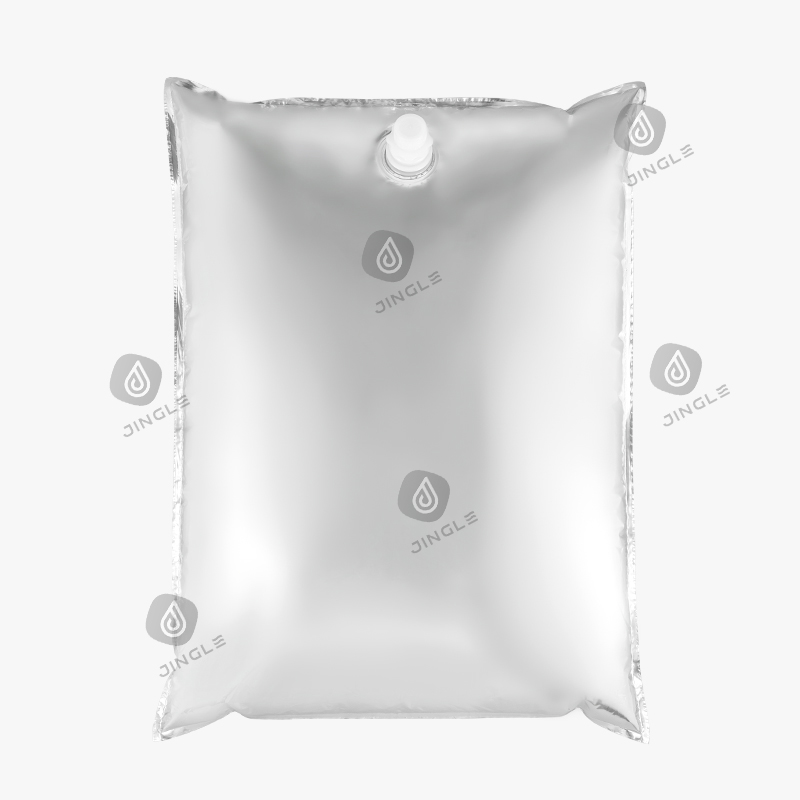
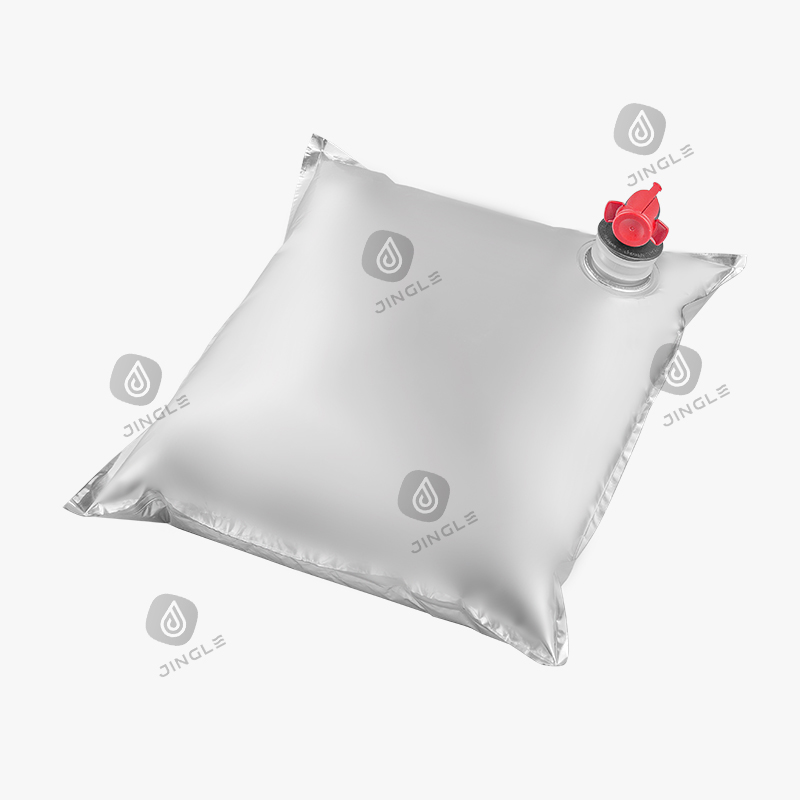
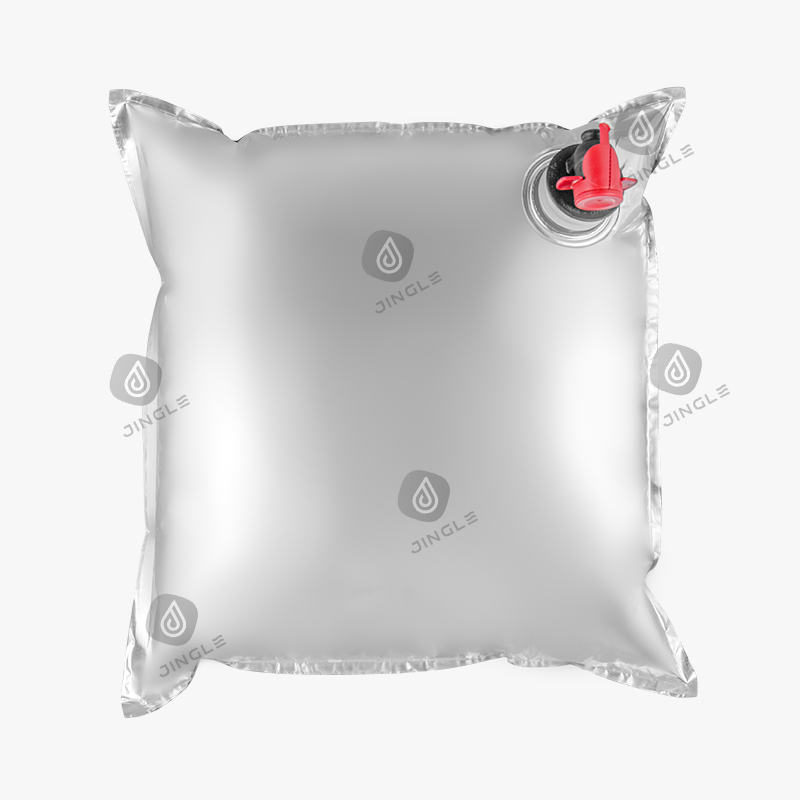
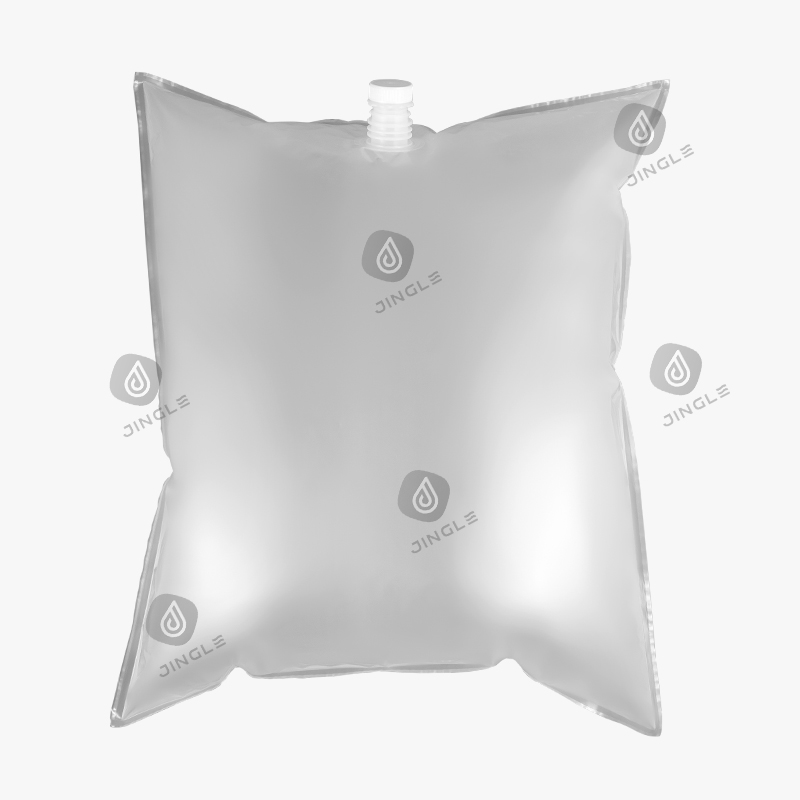
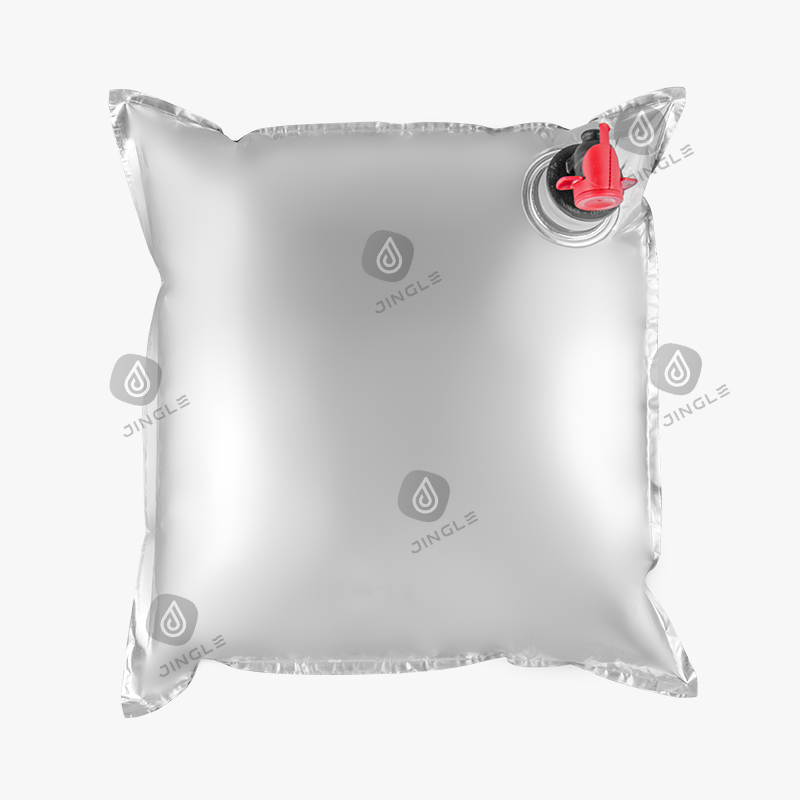
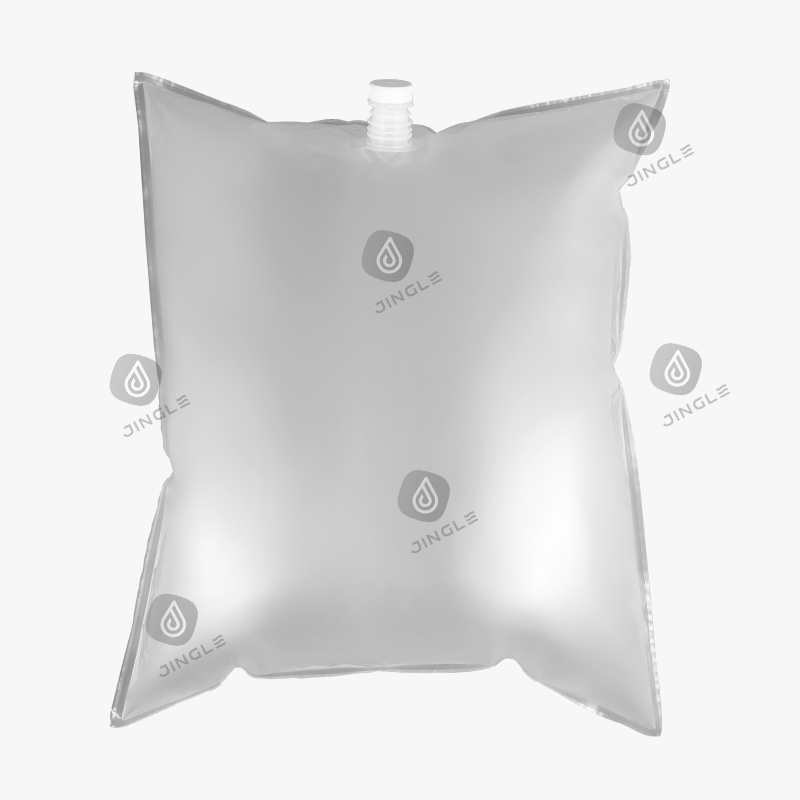
Wholesale Edible Oil & Condiments Bag-In-Box(BIB) Packaging

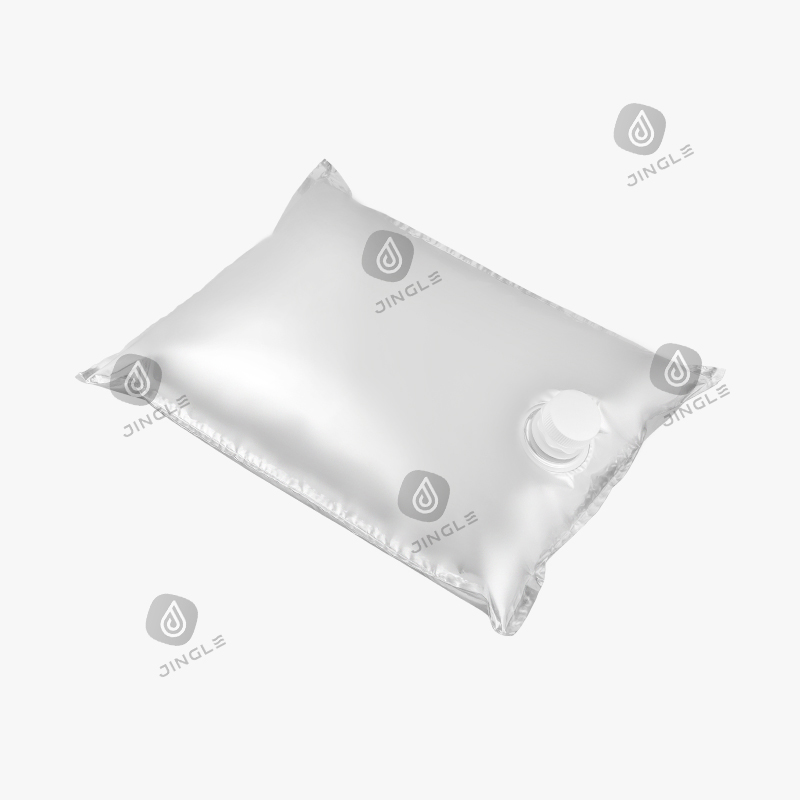
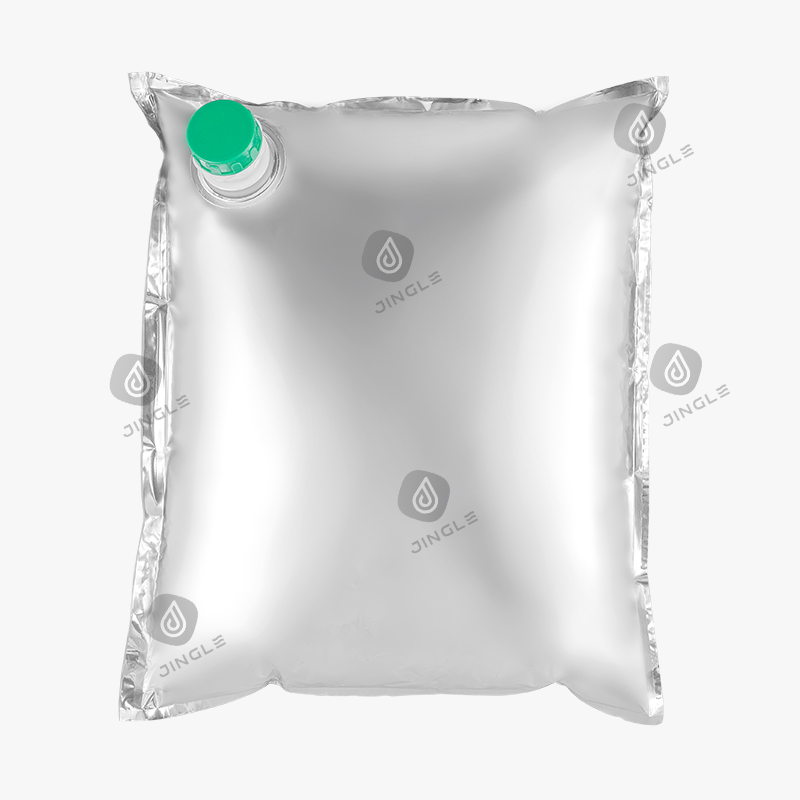
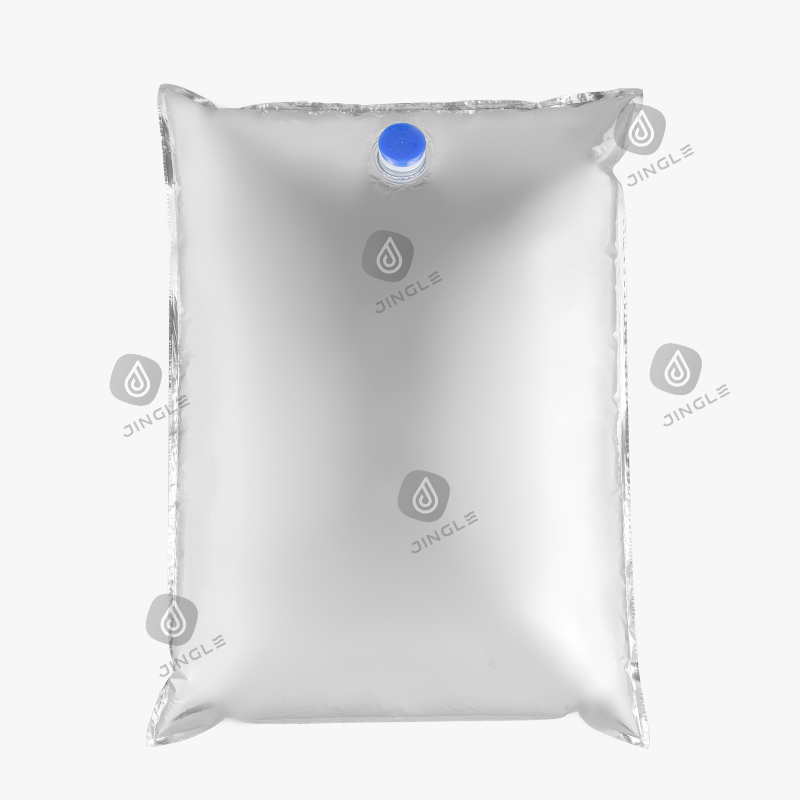
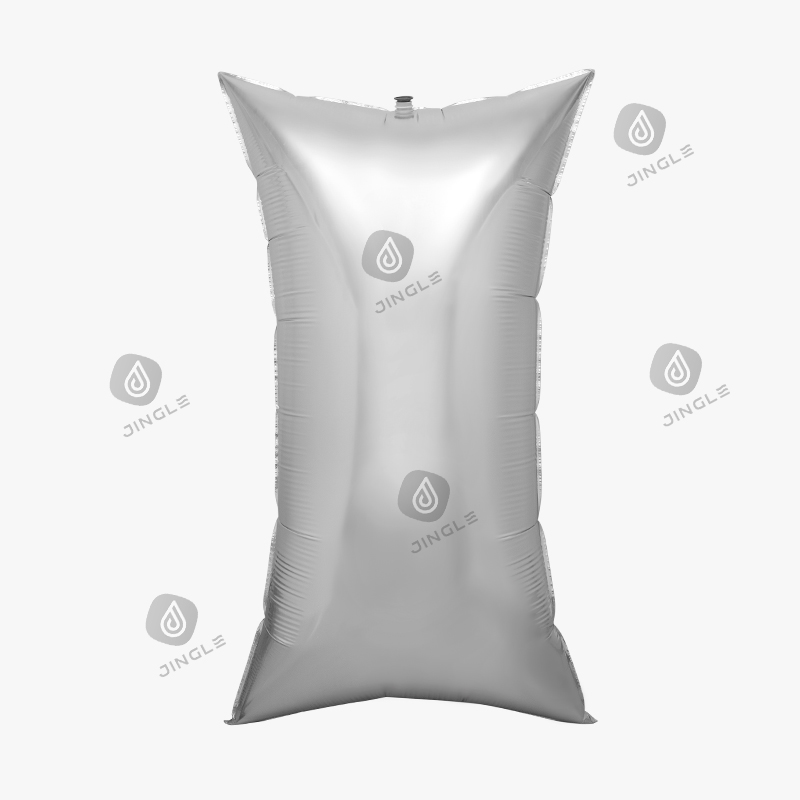
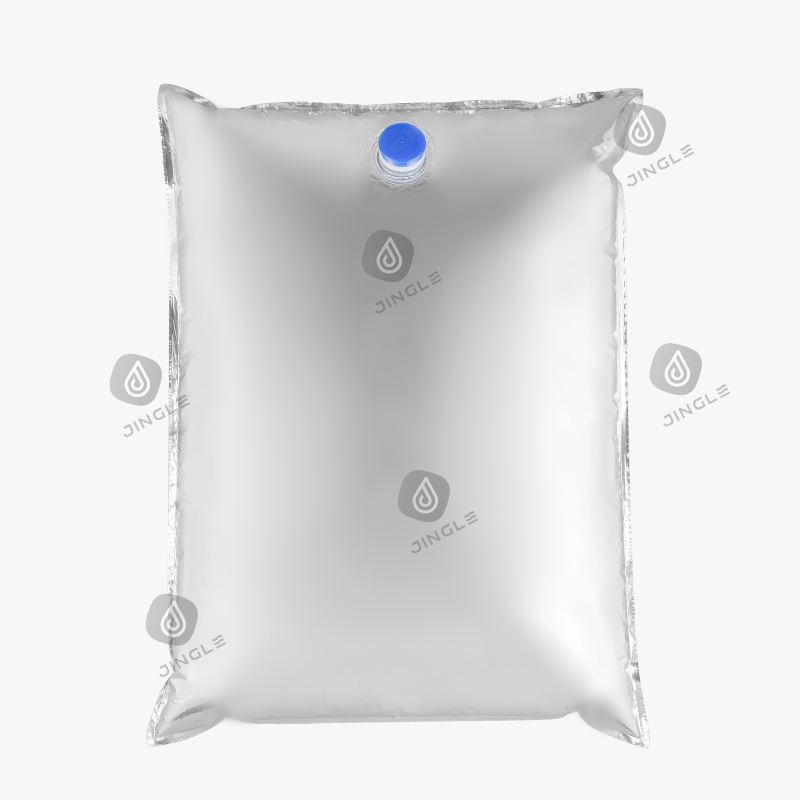
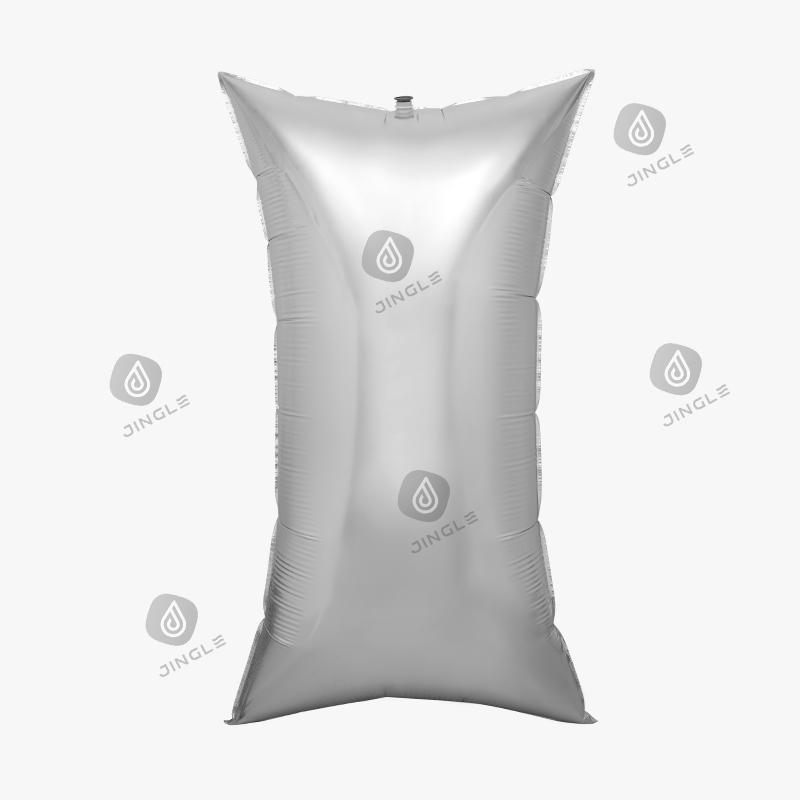
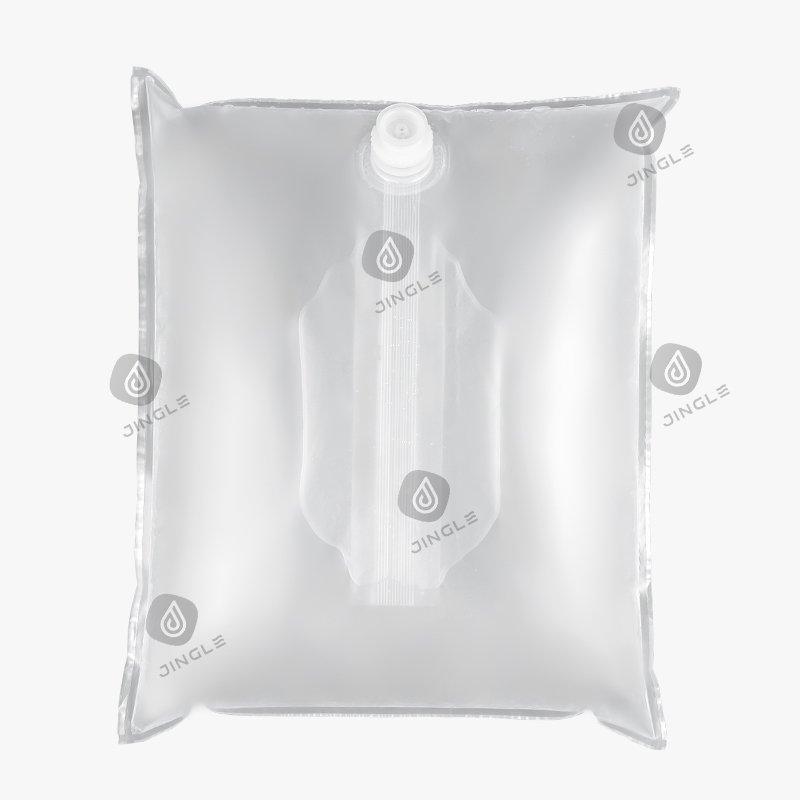
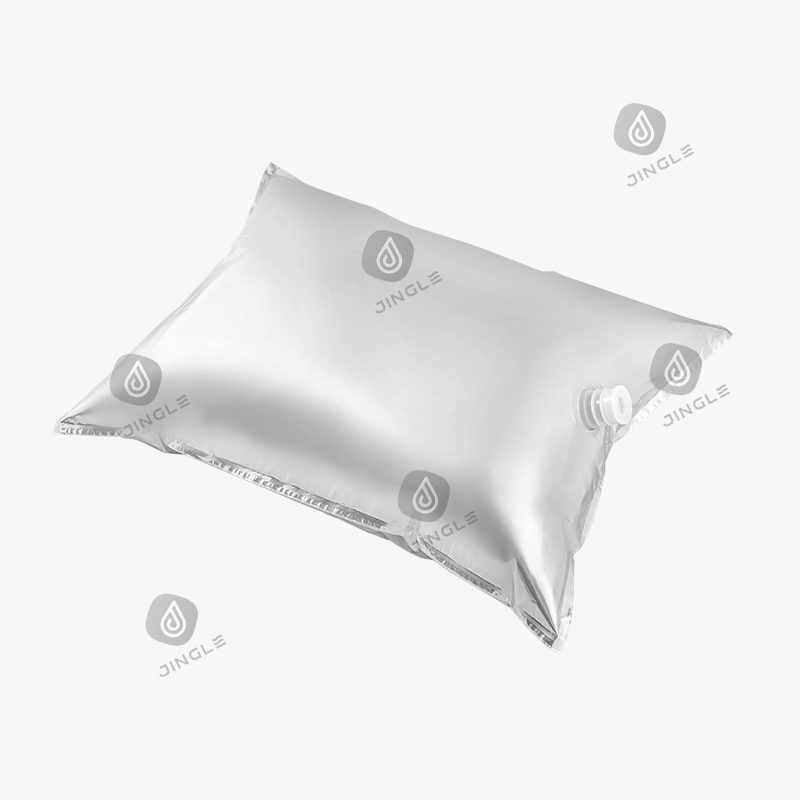
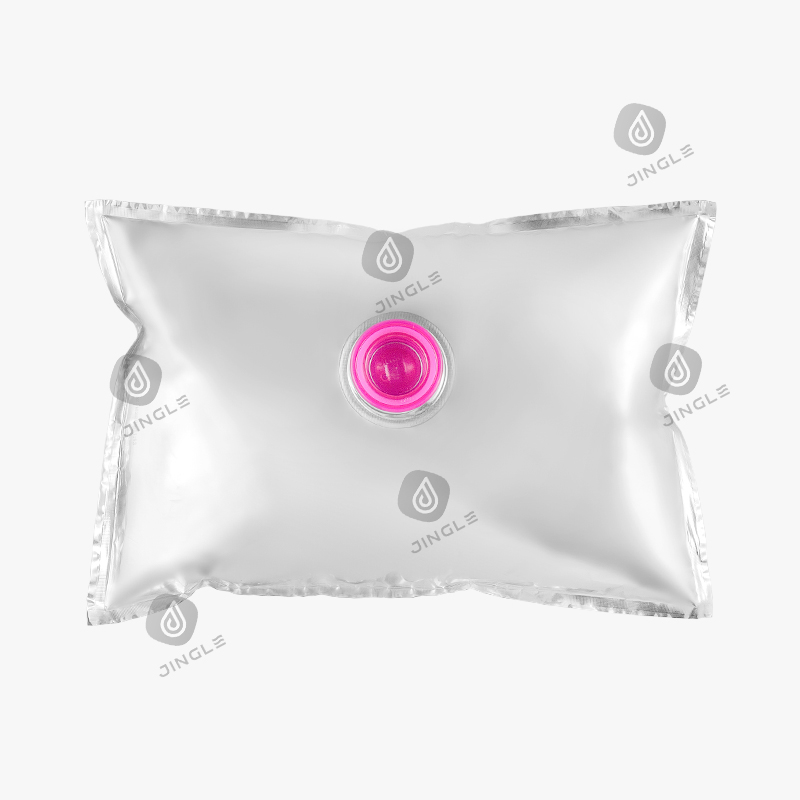
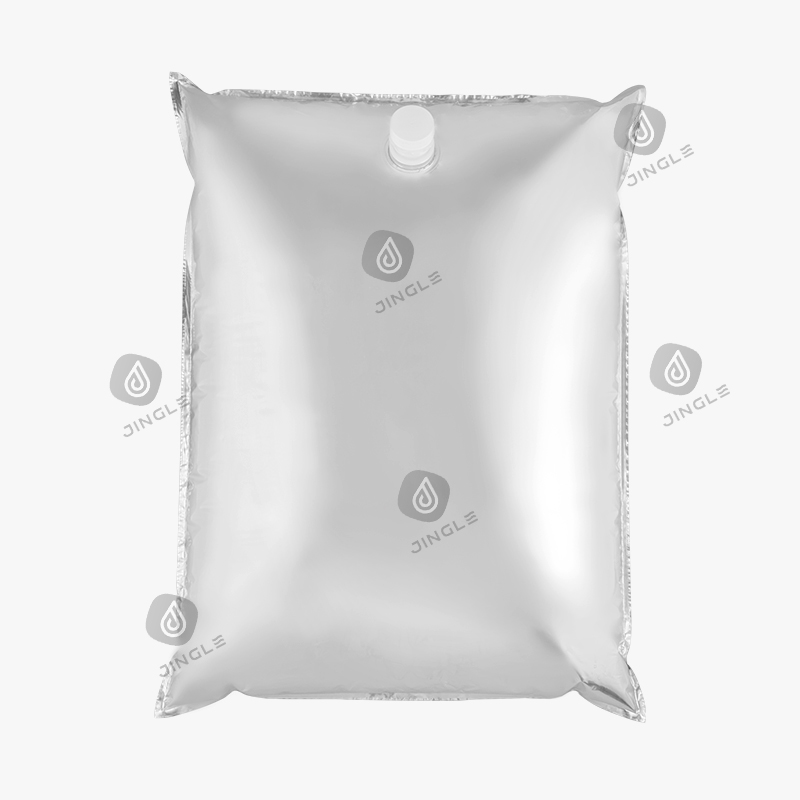
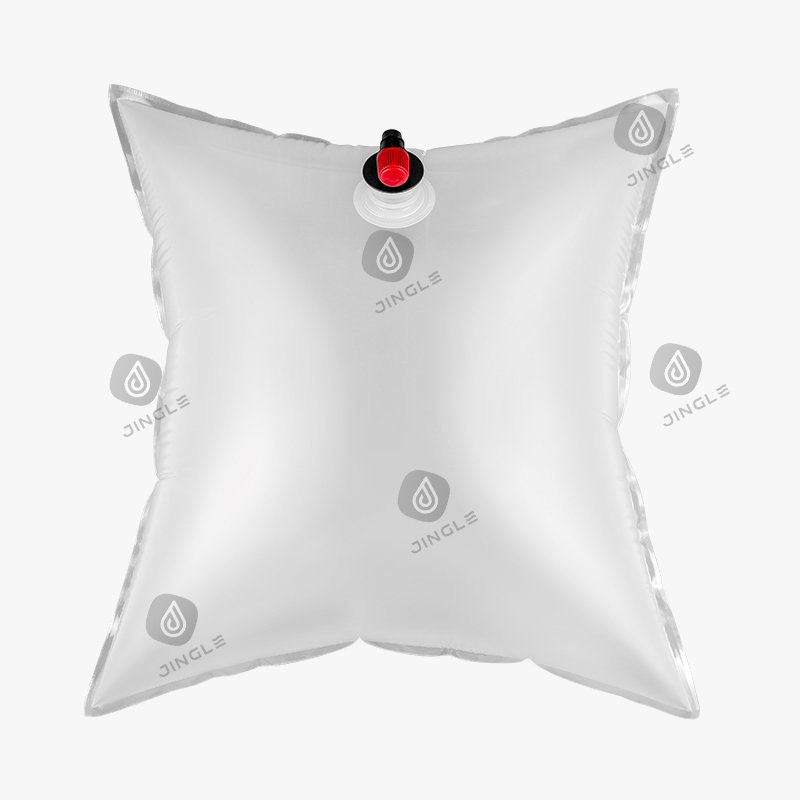
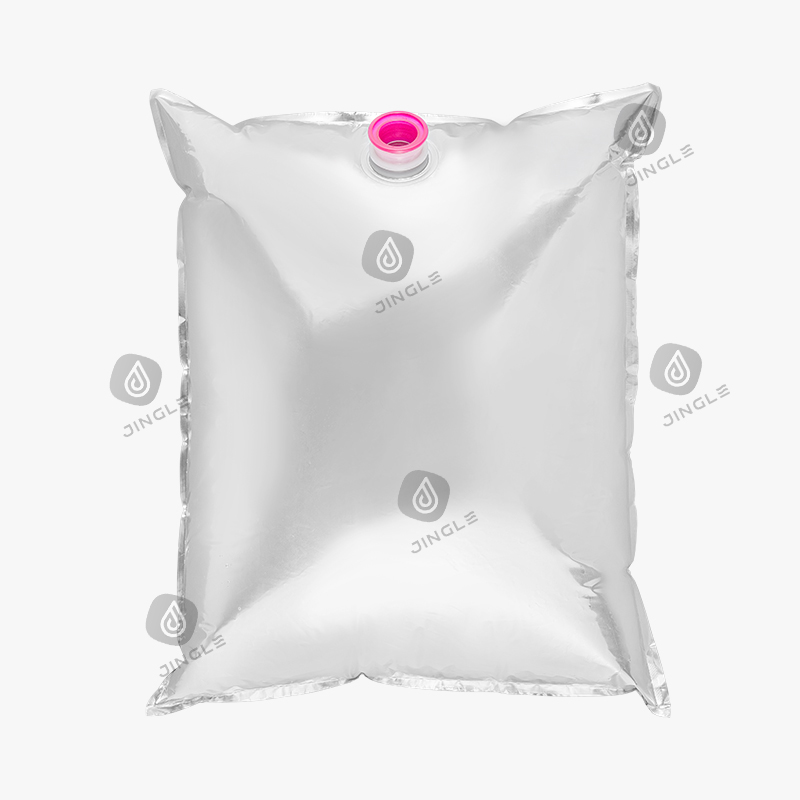
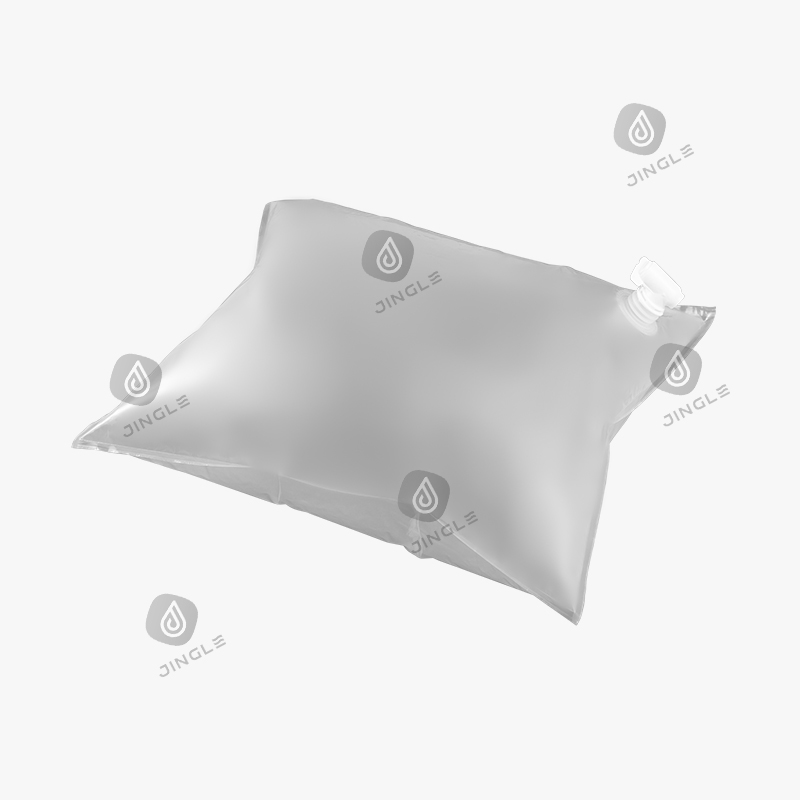
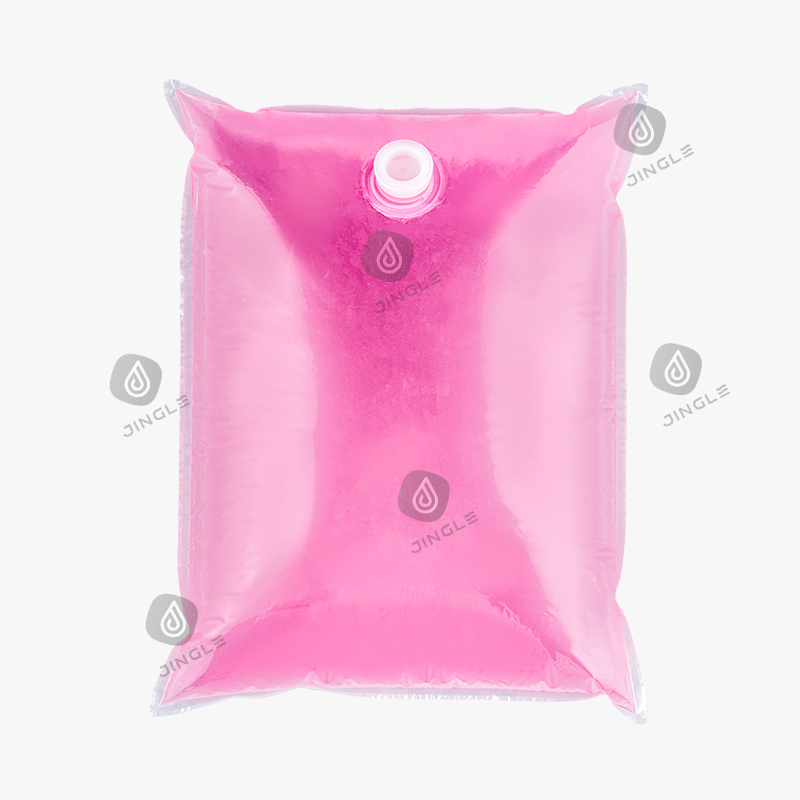
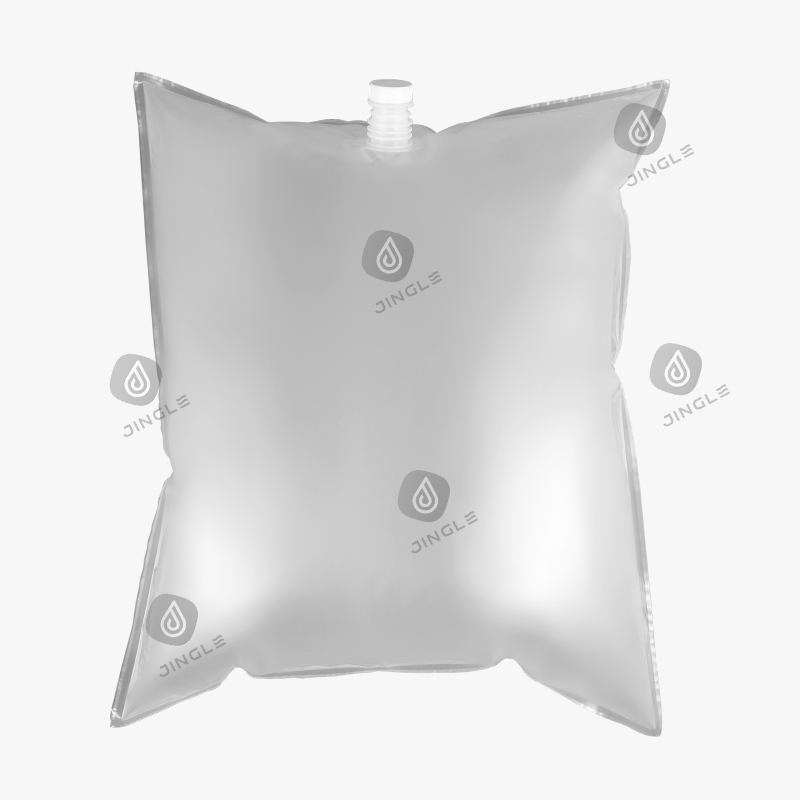
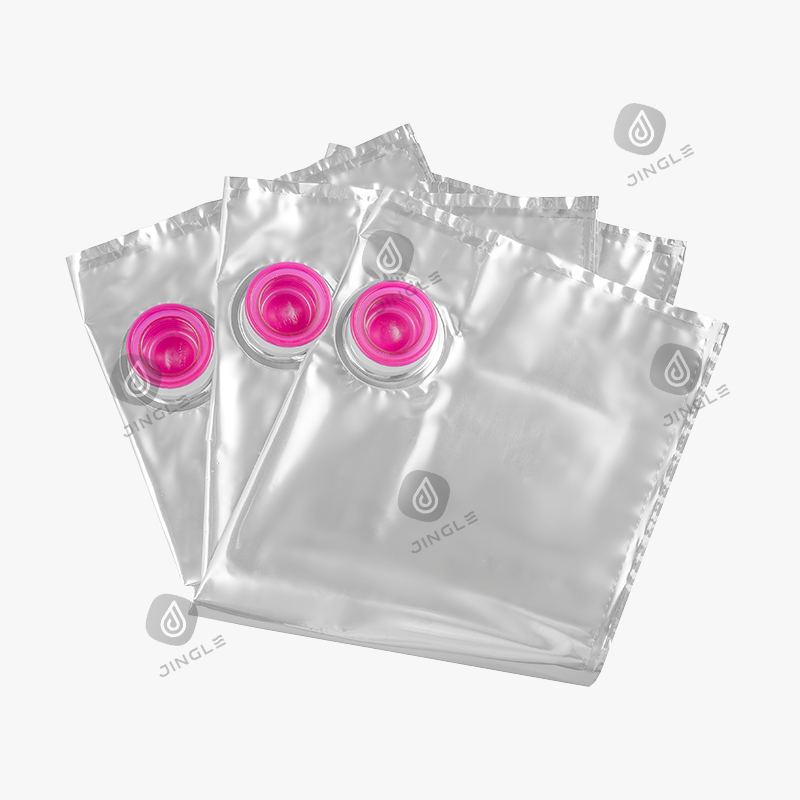
Bag-in-box packaging for condiments is a solution suitable for the storage and transportation of liquid condiments. Bag-in-box packaging for condiments uses high-quality multi-layer composite materials to make the inner bag, which has moisture-proof and anti-oxidation properties, effectively protecting the flavor and quality of the condiments from the external environment. It is lightweight, durable, environmentally friendly, and suitable for mass production and industrial operations. The filling and use process of the bag-in-box for condiments is simple and convenient, without contact with air, which minimizes the risk of oxidation and contamination of the product and ensures the quality and safety of the condiments.

Suzhou Jingle Packaging Technology Co. Ltd., as a professional bag-in-box manufacturer, is committed to providing customers with high-quality condiment packaging solutions. The company is equipped with advanced bag-in-box production lines, which can customize various types of packaging products according to customer needs to meet the diverse needs of different markets. Whether it is soy sauce, vinegar, chili sauce, or other liquid condiments, our packaging materials are strictly quality controlled to ensure the stability and safety of the products.

Supporting Technologies

Edible Oil & Condiments BIB Packaging

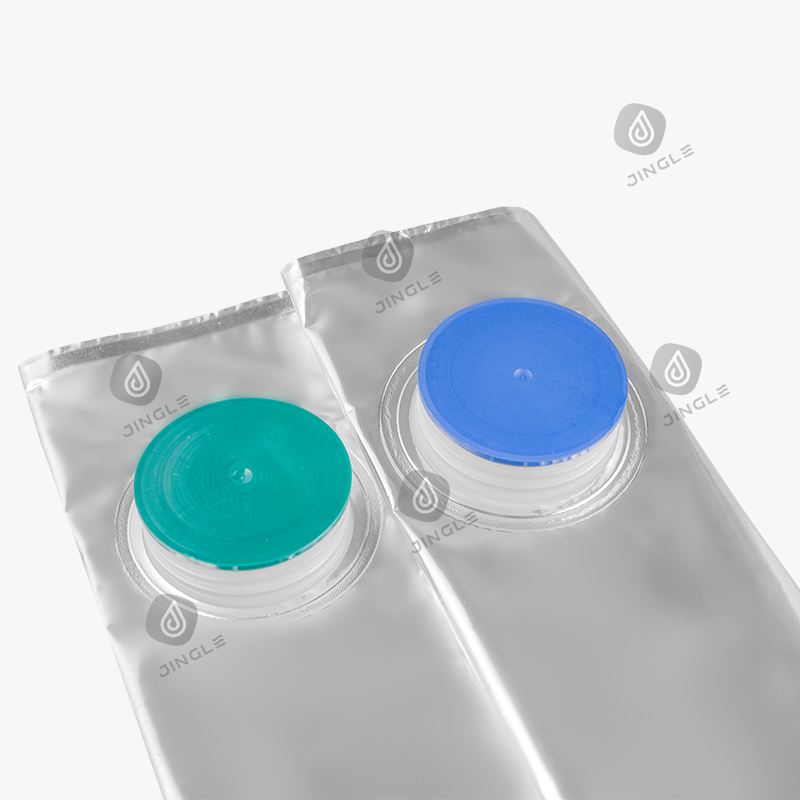
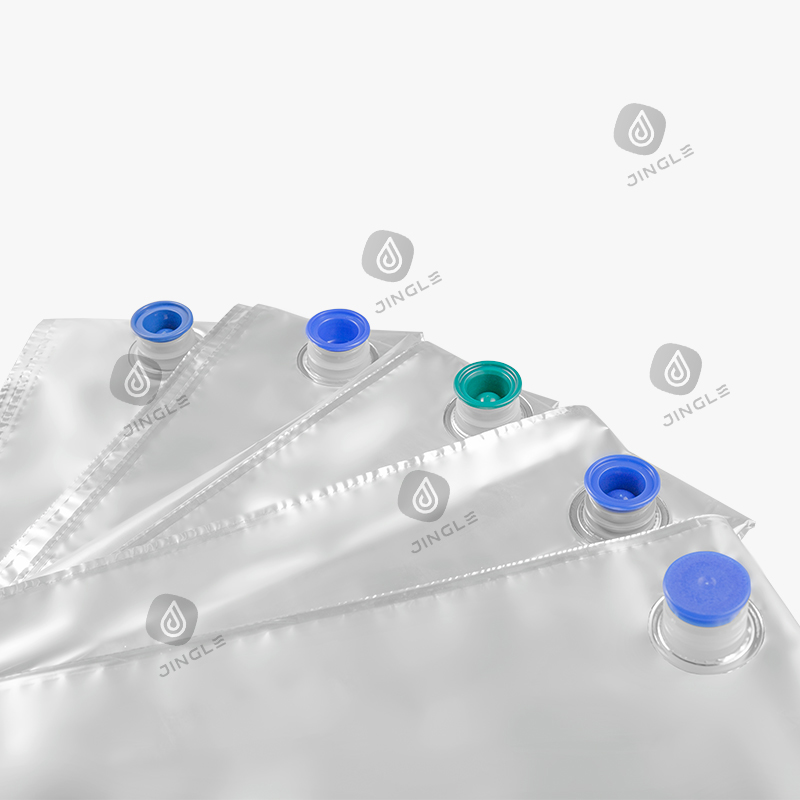
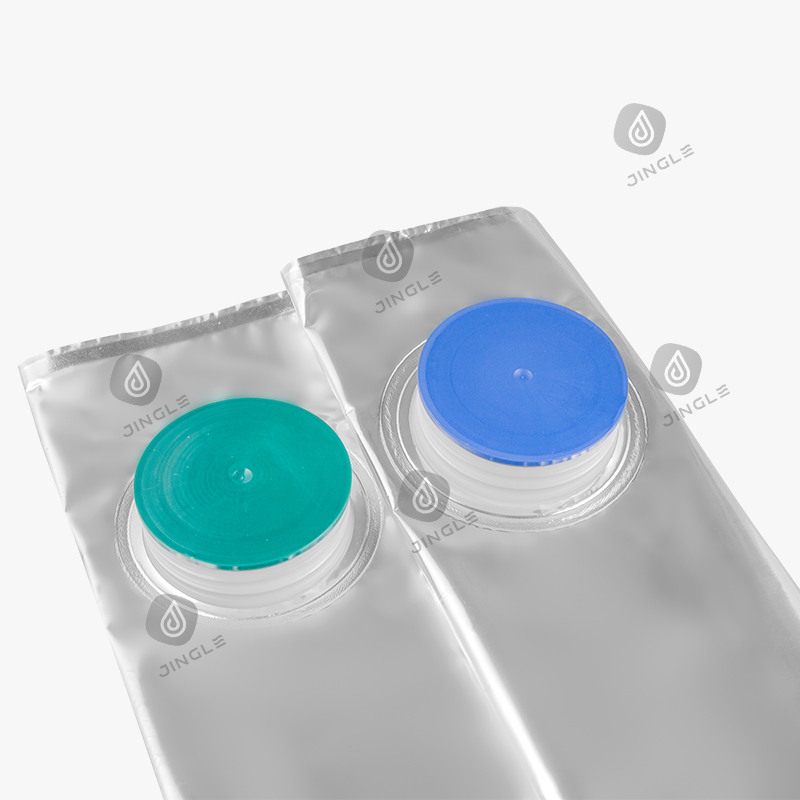
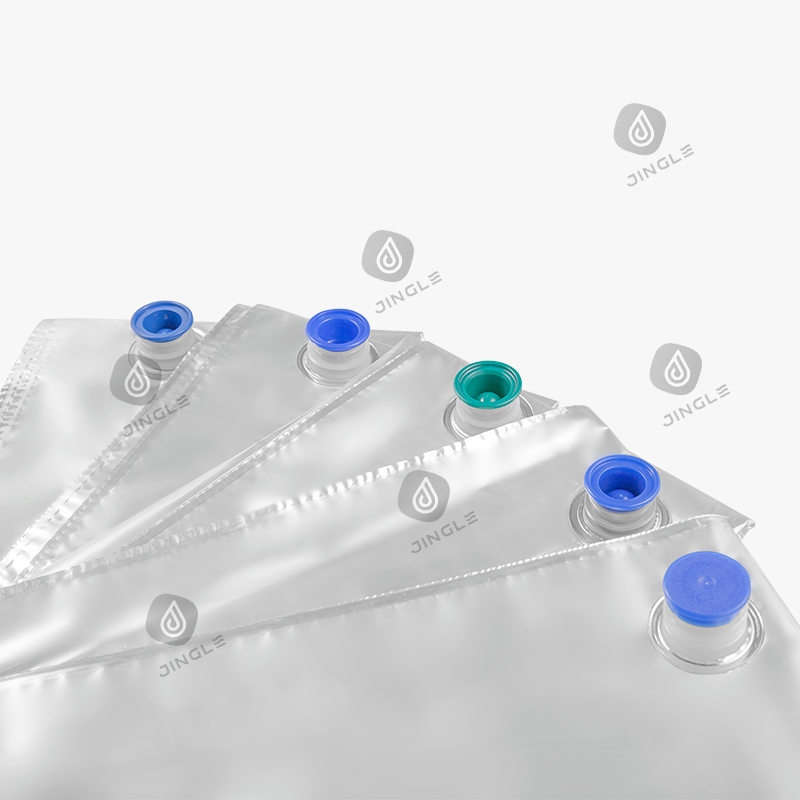
Compared with traditional packaging for edible oil and condiments, such as barrels, BIB packaging has great advantages: it takes up less space, is more hygienic, and is more convenient to dispose of the outer packaging after the materials are used up. Many oil and sauce companies serving global catering companies use Jingle's BIB packaging. At the same time, Jingle also uses different materials and nozzles to provide customers with suitable BIB packaging according to the usage scenarios of such customers.

Suzhou Jingle Packaging Technology Co., Ltd.
Product Overview

Edible Oil & Condiments BIB Packaging

Light-Barrier Bulk Liquid Packaging for Oxidation-Sensitive Food Products

99.5% Product Evacuation
6W+ Post-Open Shelf Life

Product Introduction

Edible Oil & Condiments Bag-In-Box (BIB) packaging is a multi-layer liquid containment system engineered for bulk storage and dispensing of oxidation-sensitive food products. The inner bag incorporates metallized or EVOH barrier films that block oxygen transmission and ultraviolet light exposure, two primary factors in lipid oxidation and flavor degradation. As the product is dispensed through an integrated tap, the flexible bag collapses without drawing in ambient air, maintaining an anaerobic headspace throughout the consumption cycle. This packaging format supports edible oils, vinegars, soy sauce, fish sauce, and other liquid condiments across capacities from 3 liters to 20 liters, serving both foodservice operations and industrial food manufacturing channels. The corrugated outer carton provides structural integrity during transport and storage while enabling full-surface branding and regulatory labeling.

Core Advantages

01 Oxygen & Light Barrier Protection
Metallized film layers reduce oxygen transmission rates and block UV light, delaying oxidative rancidity in edible oils and preserving volatile aroma compounds in condiments during ambient storage.
02 Near-Complete Product Evacuation
The collapsible bag design achieves product recovery rates exceeding 99.5%, reducing residual waste compared to rigid containers where viscous oils and condiments adhere to interior walls.
03 Post-Opening Shelf Life Extension
The one-way dispensing mechanism prevents air re-entry after each use, maintaining product integrity for 4 to 6 weeks post-opening under recommended storage conditions.
04 Supply Chain Weight Reduction
A 10-liter BIB unit weighs approximately 280g in packaging material, compared to over 2,500g for equivalent glass containers, reducing freight costs and per-unit carbon footprint.

Product Specifications

Parameter
Specification
Inner Bag Film
Metallized PET/PE laminate or EVOH/PE co-extrusion for oxygen and light barrier
Outer Carton
Single or double-wall corrugated fiberboard with optional moisture-resistant coating
Capacity Range
3L, 5L, 10L, 15L, 20L for edible oils; 5L, 10L, 20L for condiments
Tap/Fitment Type
Standard dispensing tap, push-pull valve, or Scholle-type connector for automated systems
Oxygen Transmission Rate
Below 2 cc/m²/24hr at 23°C and 50% RH for metallized film structures
Filling Temperature
Ambient fill (15°C–30°C); warm fill up to 50°C for viscous oils with heat-stabilized film
Chemical Compatibility
Compatible with vegetable oils, olive oil, vinegar (pH 2.4–3.4), soy sauce (pH 4.4–5.4), fish sauce

Application Scenarios

01
Restaurant & Hotel Kitchens Bulk cooking oil and vinegar dispensing for high-volume food preparation stations.
02
Food Manufacturing Ingredient supply of oils and liquid condiments for sauce production and prepared foods.
03
Catering & Institutional Dining Portion-controlled oil and condiment dispensing for schools, hospitals, and care facilities.
04
Wholesale & Distribution Bulk edible oil supply for small to medium food businesses requiring efficient storage.
05
Specialty Condiment Packaging Soy sauce, fish sauce, and premium vinegar packaging for foodservice and retail channels.
06
Export & Long-Distance Shipping Lightweight BIB format reduces freight costs for international edible oil and condiment distribution.

Technical Considerations

Oil-Specific Film Selection

For high-fat oils with unsaturated fatty acid content above 60%, specify metallized film with oxygen transmission rate below 1 cc/m²/24hr. Standard EVOH-only films may experience barrier reduction when in prolonged contact with oleic acid at concentrations exceeding 70%.

Condiment Acid Compatibility

Vinegar-based condiments with pH below 3.0 require inner sealing layers of acid-modified polyethylene or polypropylene. Standard PE seal layers may experience stress cracking under extended contact with acetic acid at concentrations above 5%.

Viscosity & Flow Rate Management

Edible oils at 20°C exhibit viscosities of 40–80 cP; select tap orifice diameters of 8–10mm for flow rates of 1–3 L/min. For viscous condiments such as thick soy sauce (100–500 cP), specify 12–15mm orifice taps to maintain dispensing speed.

Storage & Stacking Guidelines

Store filled BIB units at 10°C–30°C in dry environments. For 20L units, limit stacking to 3 layers with double-wall cartons. Avoid storage near heat sources above 40°C, which accelerates lipid oxidation regardless of barrier film performance.

Common Questions & Solutions

Q1
Edible oil develops rancid odor before bag is empty Solution: Verify oxygen barrier specification of the inner bag film. Standard polyethylene-only bags allow oxygen transmission above 100 cc/m²/day. For oils stored beyond 3 months, specify metallized film with OTR below 2 cc/m²/day. Check storage temperature does not exceed 30°C.
Q2
Soy sauce tap drips or leaks between uses Solution: Salt crystallization from soy sauce (15–18% sodium chloride) can interfere with tap seal closure. Rinse the tap exterior with warm water after each dispensing session. For high-salt condiments, select taps with silicone gasket seals rather than standard LDPE-on-LDPE friction seals.
Q3
Vinegar causes bag delamination after 4–6 weeks Solution: Acetic acid at concentrations of 5% or higher attacks standard polyethylene tie layers between EVOH and PE. Request bags with acid-modified tie resins or switch to aluminum foil laminate structure for vinegar products with pH below 3.0.
Q4
Oil flow slows significantly during dispensing Solution: Check that box ventilation holes are not blocked by stacking or tape. The bag requires air entry into the carton to collapse properly. For high-viscosity oils stored below 15°C, allow the BIB unit to reach 20°C–25°C before dispensing to reduce viscosity.

Disposal & Regulatory Notes

Carton recycling: Corrugated box is recyclable through standard paper recovery streams after removing the plastic bag and tap assembly.
Film disposal: Multi-layer barrier films require specialized recycling streams. Rinse bags thoroughly to remove oil residue before disposal or return to supplier take-back programs.
Compliance: Food-contact layers comply with FDA 21 CFR 177.1520 and EU Regulation 10/2011 for fatty food simulants and aqueous acidic food simulants.
Suzhou Jingle Packaging Technology Co. Ltd.

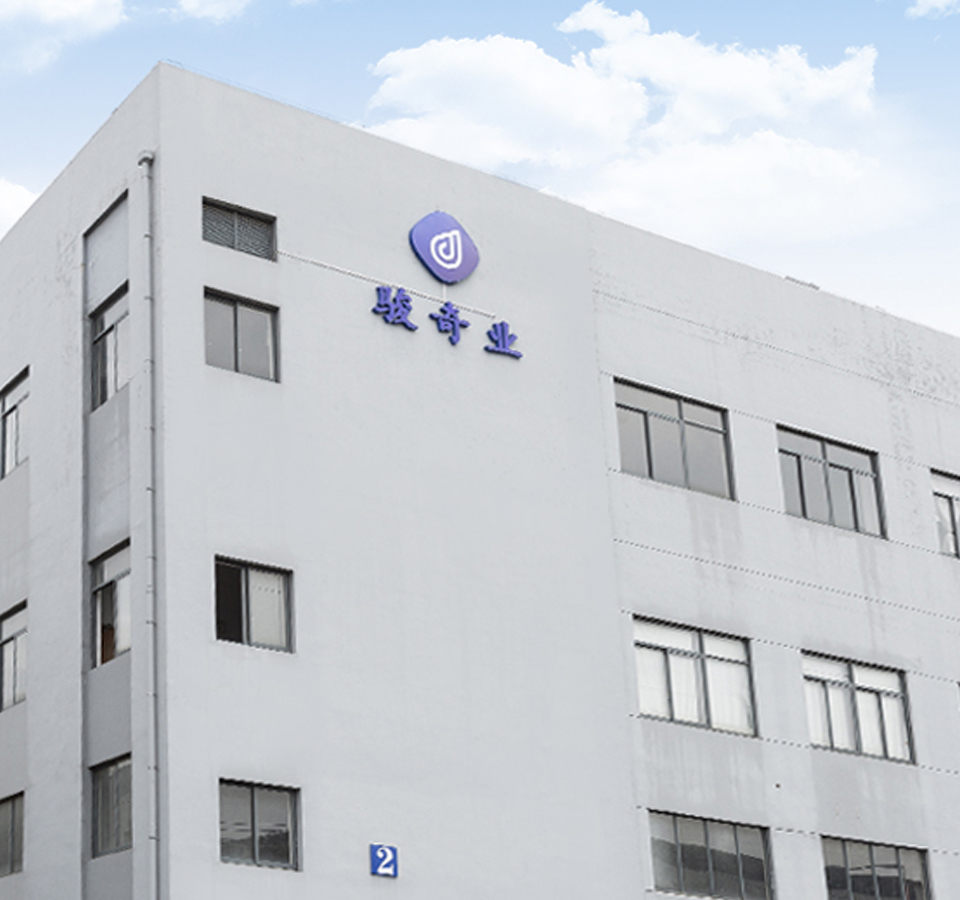
The company is located at No. 758, Longqiao Road, Wujiang Economic Development Zone, Suzhou, about 5 minutes' drive from the G15W Wujiang South Expressway Exit. The company is committed to providing high-quality products and all-round solutions to domestic and foreign customers, and actively exploring new markets with customers.
We are China Edible Oil & Condiments Bag-In-Box(BIB) Packaging Suppliers and Wholesale Edible Oil & Condiments Bag-In-Box(BIB) Packaging Company. The company has an advanced bag-in-box production line designed independently, which can produce products of various specifications according to customer requirements to meet customer supply needs.
It mainly develops and produces liquid flexible packaging products suitable for storing food, beverages, and non-food fields, as well as related supporting filling equipment, sells the products produced by the company, and provides corresponding after-sales services.

Suzhou Jingle Packaging Technology Co., Ltd.
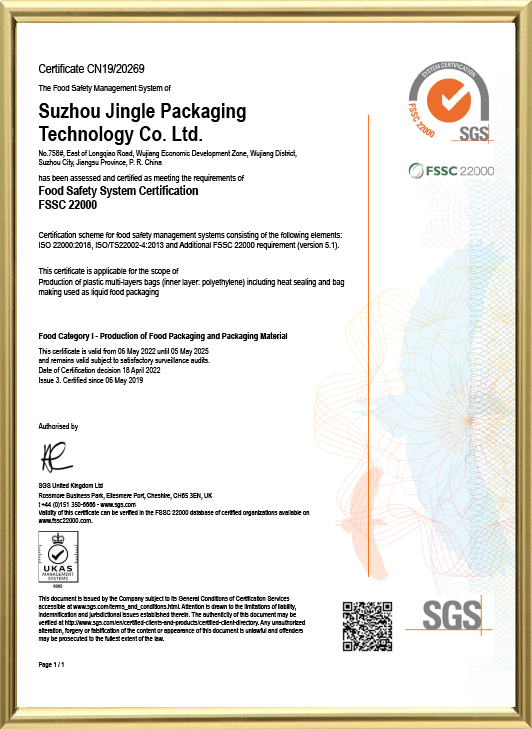
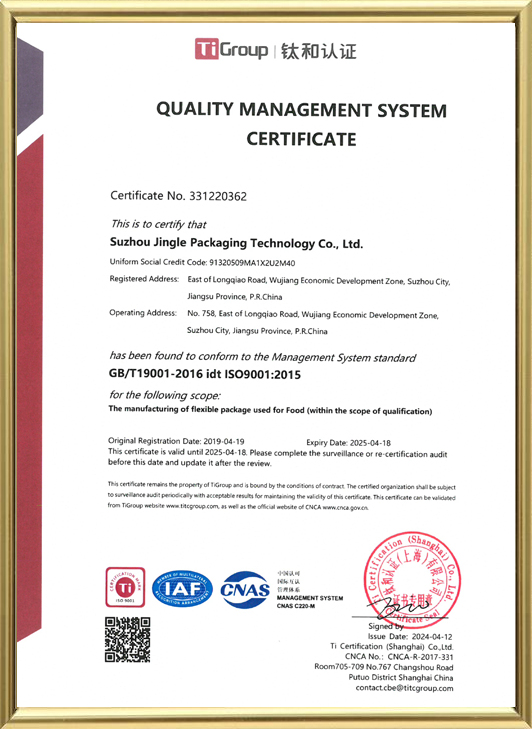
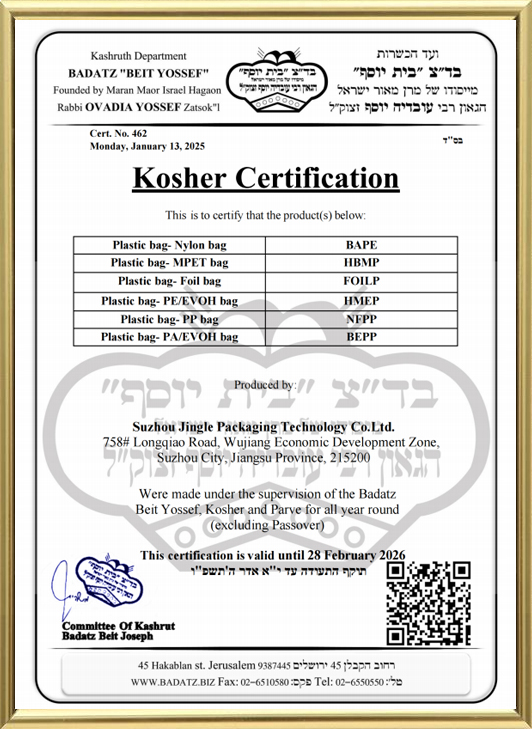
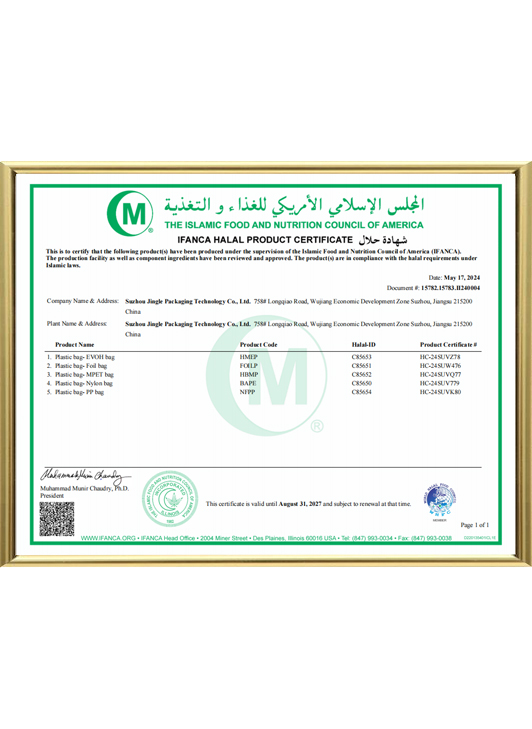
Certificate Of Honor
  • SGS
  • Quality Management System Certificate
  • Kosher Certification
  • The Islamic Food And Nutrition Council Of America
News Center
Message Feedback
BIB packaging For Edible Oil & Condiments Industry knowledge

What are the key process steps and quality control points in the production process of condiment BIB packaging?
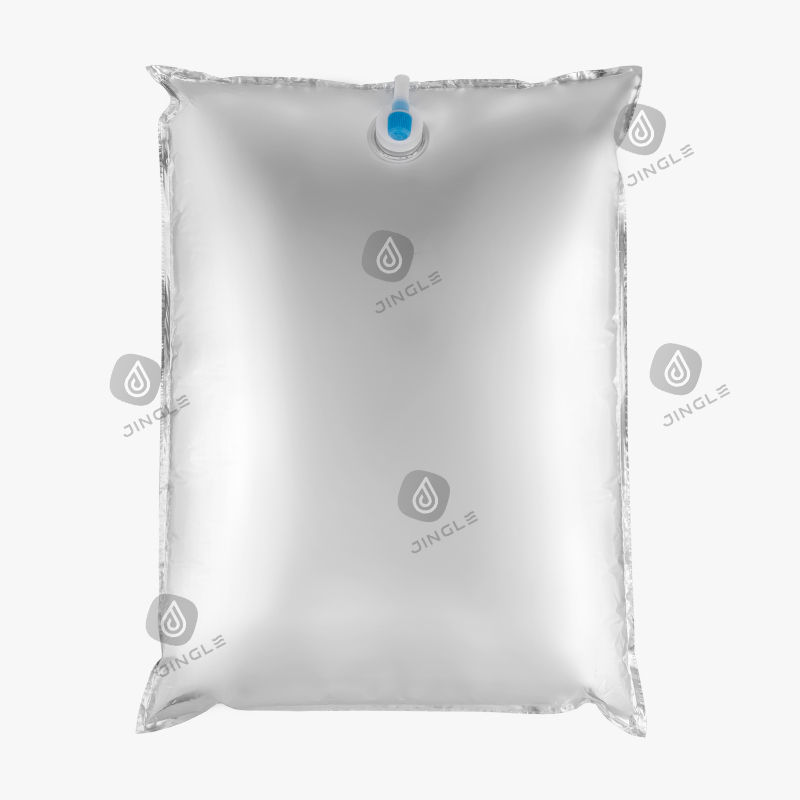
The production process of condiment BIB (Bag-In-Box) packaging is a complex process that combines advanced technology and strict quality control, aiming to provide customers with safe, efficient and customized packaging solutions. Our company, as a leader in this field, is not only equipped with an internationally leading bag-in-box production line, but also has a professional team with more than 15 years of industry experience, committed to continuous exploration and innovation to meet the diverse needs of local and global customers for condiment BIB packaging.
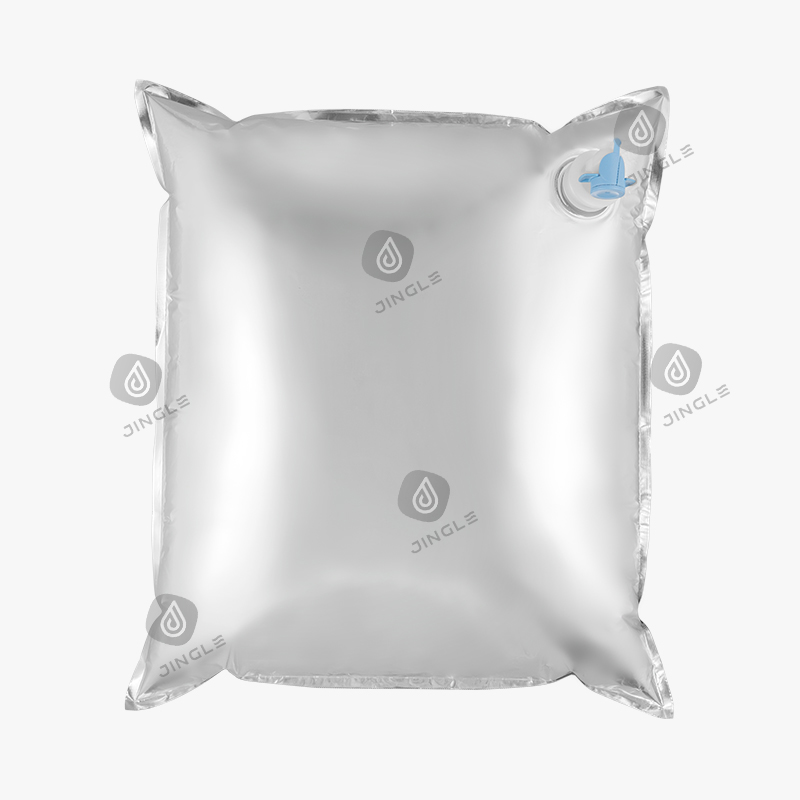
Key process steps
Material selection: According to the different characteristics of condiments (such as acidity and alkalinity, oil content, sensitivity to oxygen and light, etc.), we select high-barrier or ultra-high-barrier film materials, such as EVOH (ethylene-vinyl alcohol copolymer), PET (polyethylene terephthalate) and aluminum foil composite structure to ensure the effective barrier performance of the packaging.
Pretreatment: The material must undergo strict cleaning and anti-static treatment before entering the production line to ensure that there is no dust and oil on the surface of the material, and to improve the bonding strength of subsequent printing and heat sealing.
2. Printing and plate making
High-precision printing: Multi-color gravure printing technology is used, combined with advanced color management system to ensure high clarity and color accuracy of patterns and texts, and enhance product brand image.
Plate making: Design and produce printing plates according to customer needs to ensure that patterns and texts are consistent with product characteristics and meet food safety standards.
3. Bag making and molding
Automatic bag making: Through high-precision automatic bag making machines, the pre-treated film materials are cut and heat-sealed into bags according to preset sizes to ensure good sealing and no leakage of the bag body.
Molding and filling preparation: After the bag body is formed, it enters the filling preparation area through an automatic conveying system. At this stage, it is necessary to ensure that the bag mouth is flat to facilitate subsequent filling and sealing.
4. Accurate filling and exhaust
Accurate filling: Using a precise metering filling system, the filling speed is adjusted according to the different viscosities and densities of the condiments to ensure that the net content of each bag of product is accurate.
Exhaust treatment: Exhaust operation is performed simultaneously during the filling process to reduce residual air in the bag and extend the shelf life of the product.
5. Heat sealing and secondary inspection
Heat sealing: Use high-frequency heat sealing technology to ensure that the bag mouth is firmly sealed and avoid heat damage to the product during the heat sealing process.
Secondary inspection: Through machine vision and manual double inspection, the heat sealing quality, packaging integrity and appearance are inspected one by one to ensure that each product meets the quality standards.
Quality control points
1. Raw material quality control
Each batch of raw materials must be audited by the supplier and inspected for incoming goods, including but not limited to physical property testing, chemical composition analysis, barrier performance testing, etc., to ensure that the materials meet food safety and packaging performance requirements.
2. Production process monitoring
Implement full-process online monitoring, use sensors and automated control systems to monitor the production environment (such as temperature, humidity), equipment operating status and product quality parameters in real time, and promptly detect and correct deviations.
3. Finished product inspection and testing
Finished products must undergo strict physical property testing (such as tensile strength, tear strength), barrier performance testing (such as oxygen permeability, water vapor permeability), sealing testing and microbial testing to ensure that the products meet food safety standards and customer-specific requirements.
4. Customer customized services
In view of the specific condiment characteristics and market needs of customers, we provide a full chain of customized services from material selection, design to production to ensure that product packaging not only meets functional needs, but also enhances brand image and market competitiveness.
5. Continuous improvement and innovation
We continue to invest in research and development to explore the application of new materials and new processes, such as the research and development of biodegradable materials to reduce environmental impact; at the same time, we use big data analysis to optimize production processes and improve efficiency and quality stability.
The production process of condiment BIB packaging is a system engineering that integrates high technology, high precision and high quality control. With advanced production lines, professional technical teams, strict quality control systems and continuous innovation capabilities, our company can provide customers with a full range of customized solutions from design to production, from raw materials to finished products, ensuring that each BIB packaging can accurately meet customer needs and help customers stand out in the fierce market competition.