English
 中文简体
中文简体
 русский
 Español


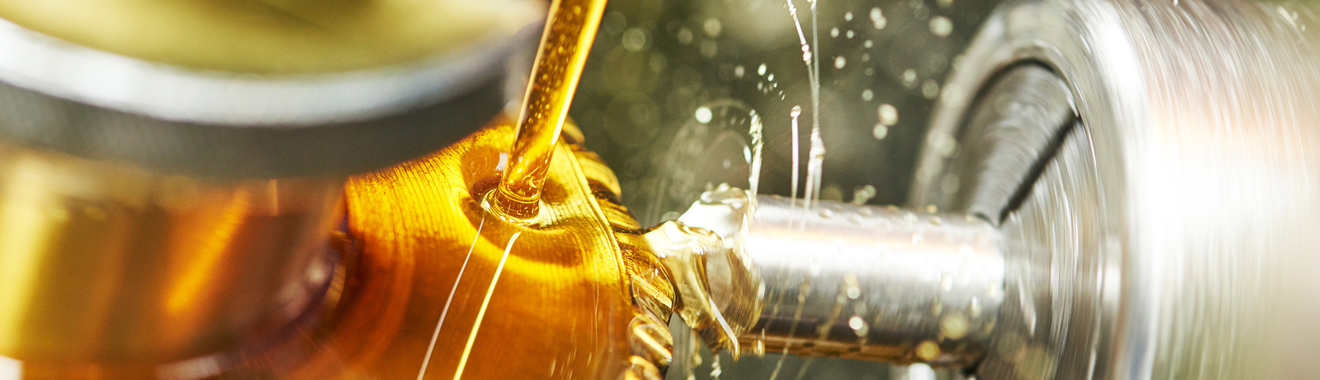



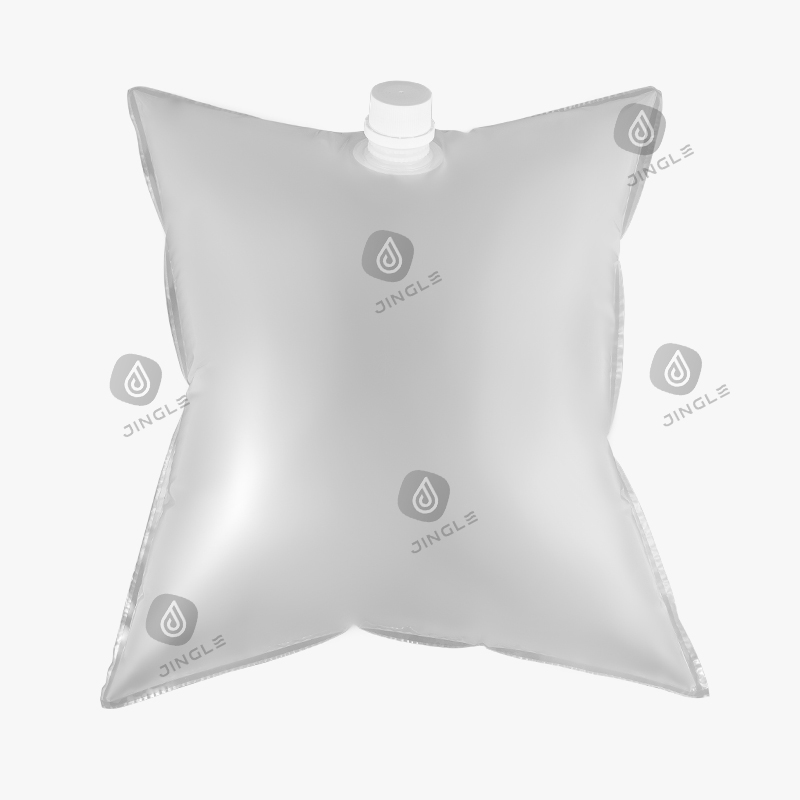
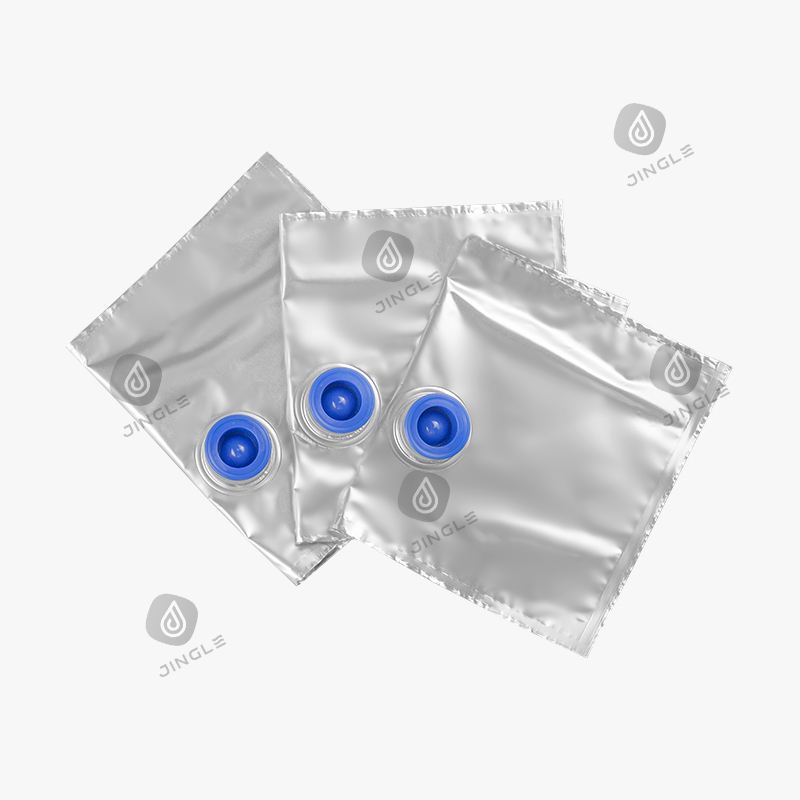
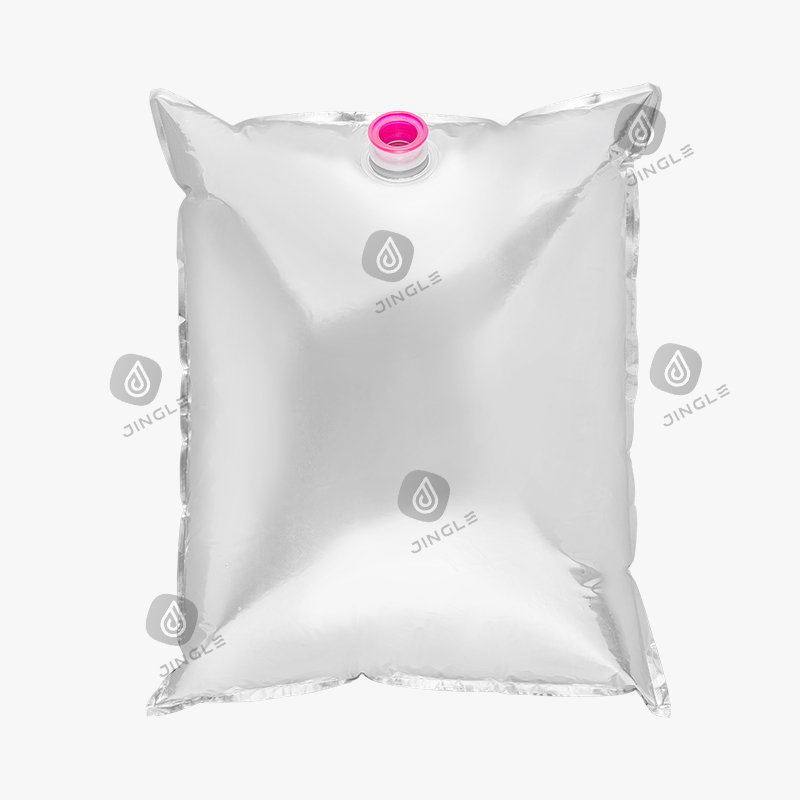
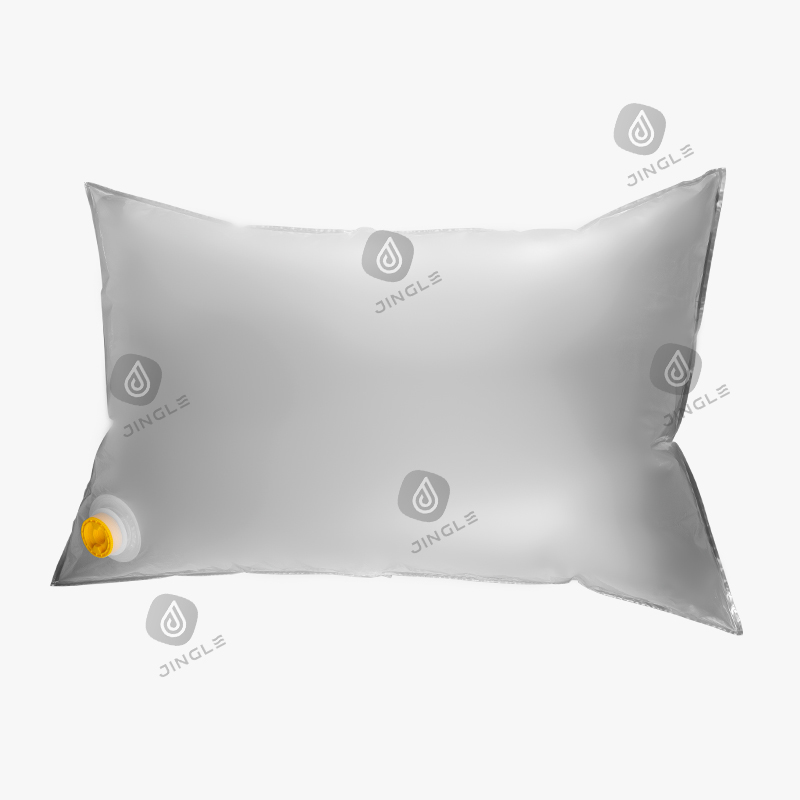
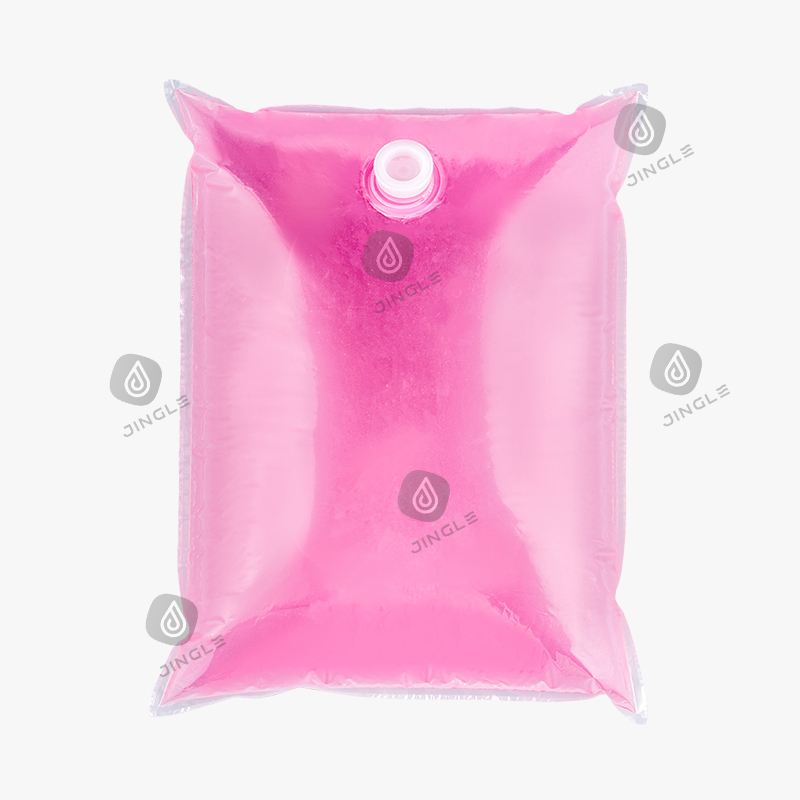
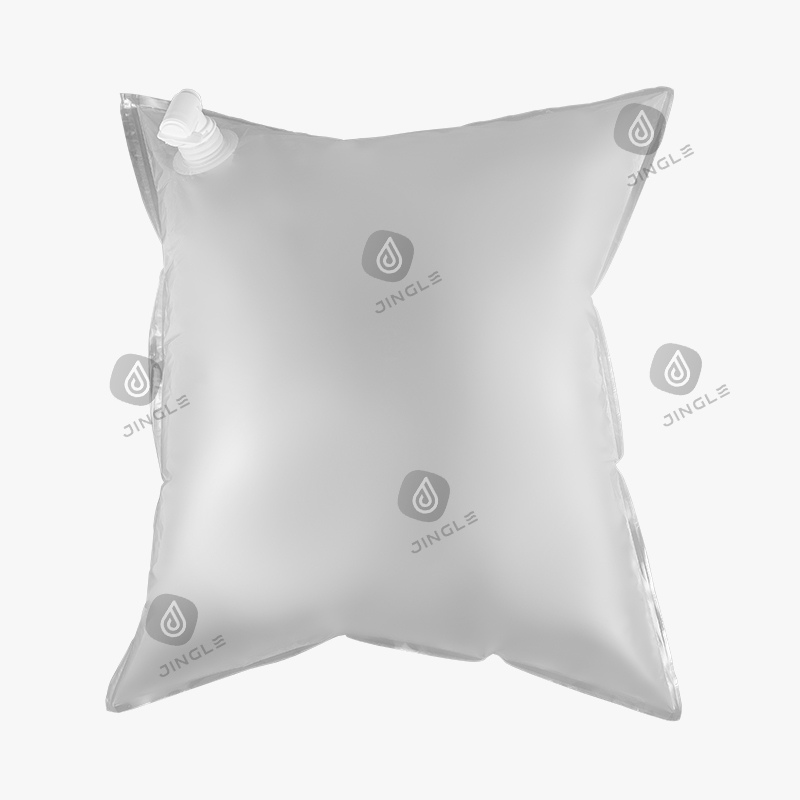
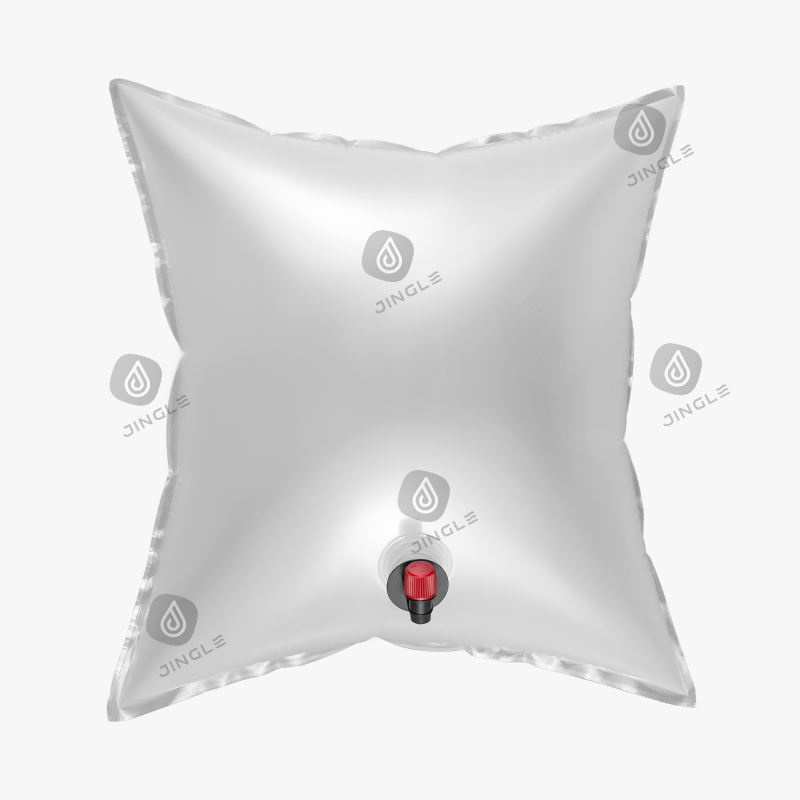
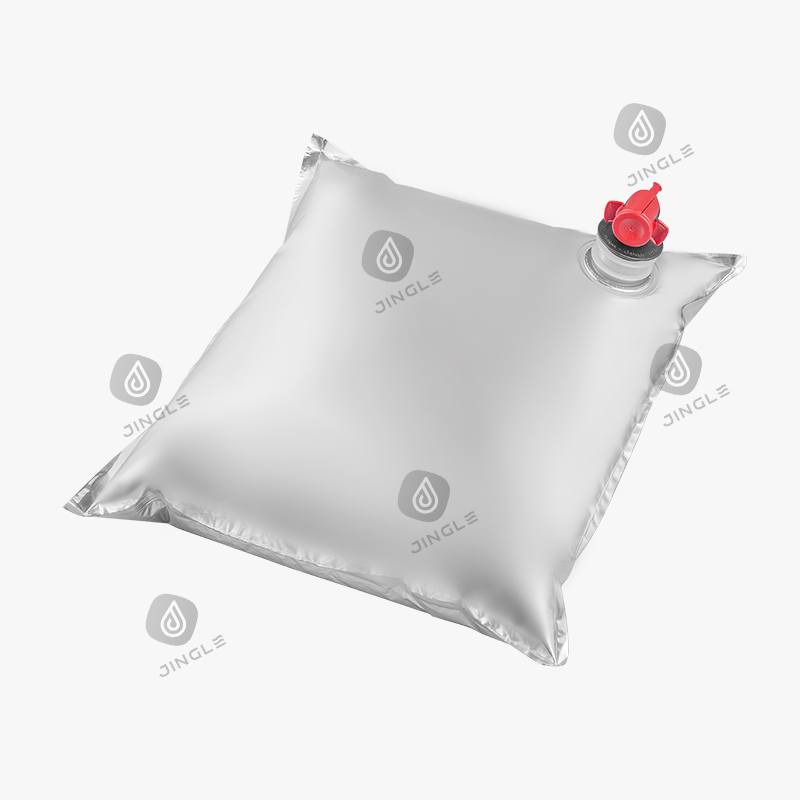
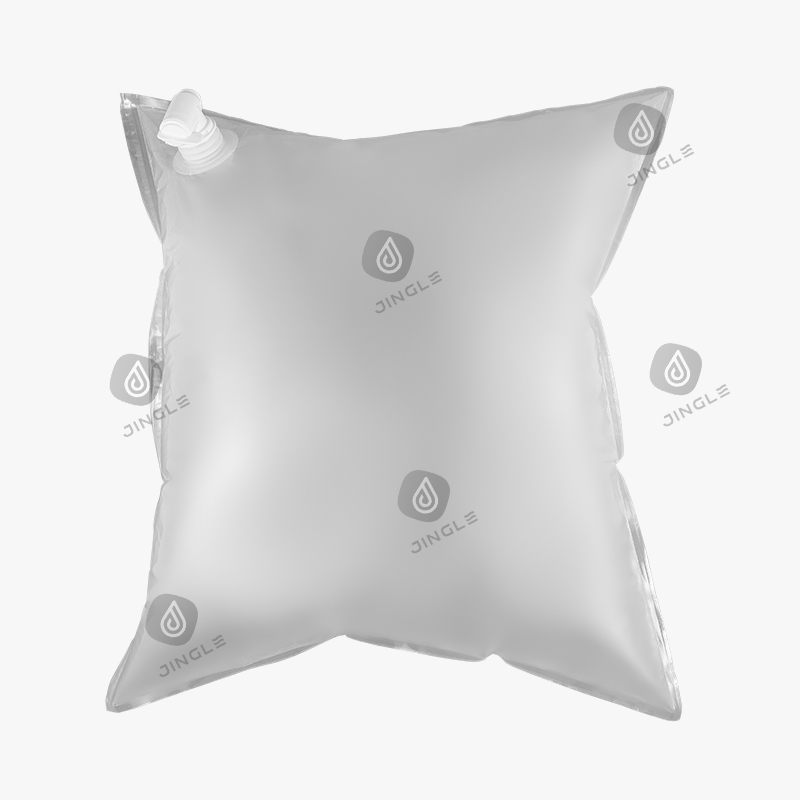
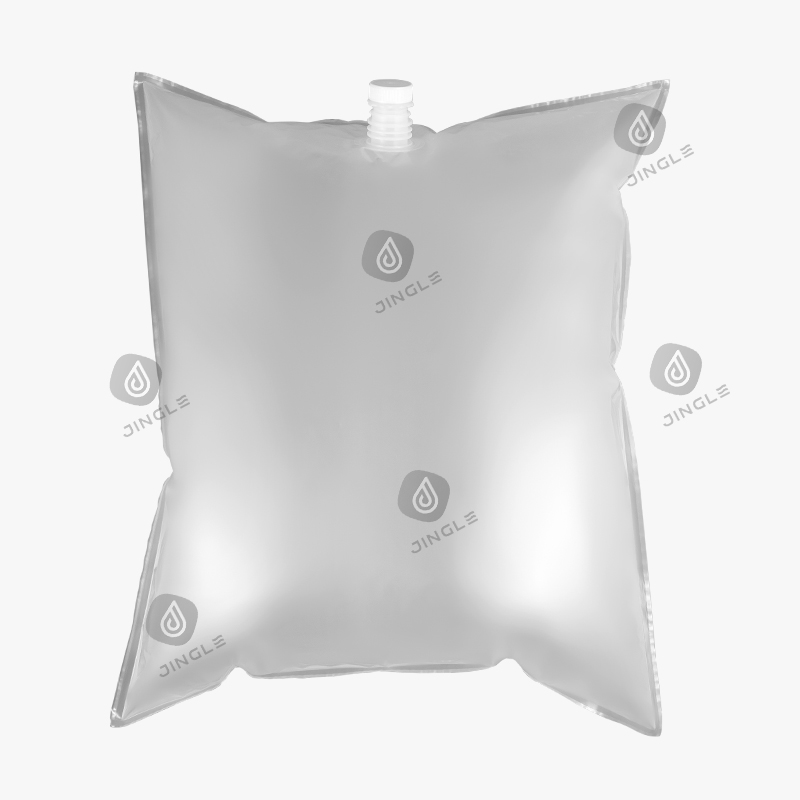
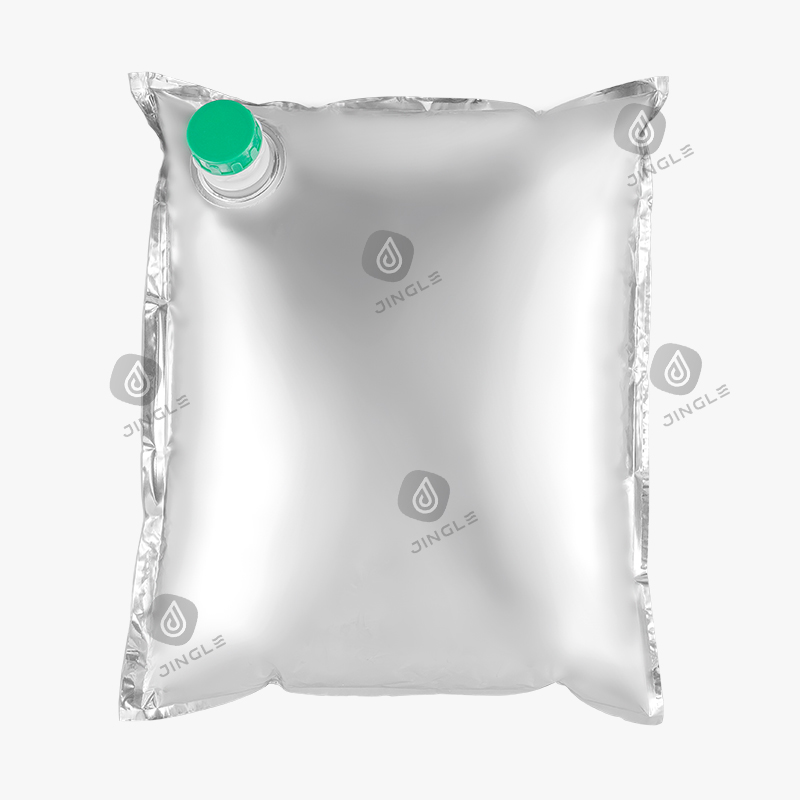
Car supplies BIB packaging addresses the automotive industry's need for bulk fluid management in workshops, service centers, and dealership operations. The inner bag utilizes solvent-resistant fluorinated polyethylene or nylon laminate films engineered to contain petroleum-derived fluids, glycol-based coolants, methanol-based washer fluids, and synthetic lubricant formulations without film degradation or permeation. Standardized pump connectors integrate with workshop dispensing equipment, enabling closed-loop fluid transfer that reduces spill risk and volatile organic compound exposure for technicians.
Core Advantages
Fluorinated PE and nylon laminate inner layers resist swelling, permeation, and delamination when in contact with hydrocarbon-based engine oils, transmission fluids, and solvent-based degreasers during extended storage cycles.
Metallized barrier films reduce volatile organic compound vapor transmission from methanol-based washer fluids and brake cleaner concentrates, improving workshop air quality and meeting VOC emission regulations.
Low-temperature-flexible PE formulations maintain bag integrity and dispensing functionality at temperatures down to –20°C, suitable for windshield washer fluids and antifreeze concentrates stored in unheated workshop areas.
Standardized BIB pump connectors mate with workshop fluid management systems, enabling direct dispensing into vehicle reservoirs without intermediate pouring containers or funnels, reducing technician chemical contact.
Product Specifications By Fluid Type
Workshop & Service Center Scenarios
Technical Handling & Safety
Submit automotive fluid sample to BIB supplier for 30-day compatibility testing. Hydrocarbon-based fluids require fluorinated PE or nylon film. Glycol-based coolants require EVOH barrier with glycol-stable tie layers. Methanol-based washer fluids require metallized PET/PE laminate for vapor control.
Store filled BIB units in ventilated fluid storage areas at 5–35°C. For winter-grade washer fluids stored in unheated areas, verify film low-temperature rating to –25°C. Use secondary spill containment trays. Stack no more than 3 units high for 20L sizes.
Use dry-lock quick-disconnect pump fittings to prevent fluid drips during bag changeover. Dedicate separate dispensing lines for each fluid type to prevent cross-contamination. Label all dispensing lines clearly with fluid type and change date.
Empty bags containing hydrocarbon residues must be drained completely and disposed per local hazardous waste regulations. Used oil bags follow waste oil disposal stream protocols. Water-based fluid bags can be triple-rinsed and recycled through industrial plastic programs.
Common Questions & Workshop Solutions
Synthetic engine oils contain ester-based additives that can plasticize standard polyethylene films over extended contact. Specify fluorinated PE or nylon laminate inner layers for synthetic oil applications. Conduct a 60-day compatibility test at 40°C to simulate 12-month ambient storage conditions before commercial adoption.
Methanol-based washer fluids have high vapor pressure at ambient temperature, causing vapor loss through standard PE films. Specify metallized PET/PE laminate film with vapor transmission rate below 0.5 g/m²/day. Ensure the tap seal material is methanol-compatible to prevent vapor escape through the closure mechanism.
DOT 3 and DOT 4 brake fluids are glycol-ether based and highly hygroscopic. BIB bags for brake fluid must use fluorinated PE film with enhanced glycol resistance and extremely low moisture vapor transmission rates. Standard PE films allow moisture ingress that can degrade brake fluid boiling point performance. Use 3L or 5L sizes for single-service use to minimize opened container moisture exposure.
Standard BIB bag outlet pressure rating is 0.5 bar maximum. For viscous fluids such as gear oil (SAE 80W-90) or cold-temperature engine oil, specify 32mm spouts and maintain fluid temperature above 15°C for consistent flow rates. Pneumatic workshop pump systems should be regulated to 0.3–0.5 bar inlet pressure to prevent bag seam stress or connector leakage.