Article Directory
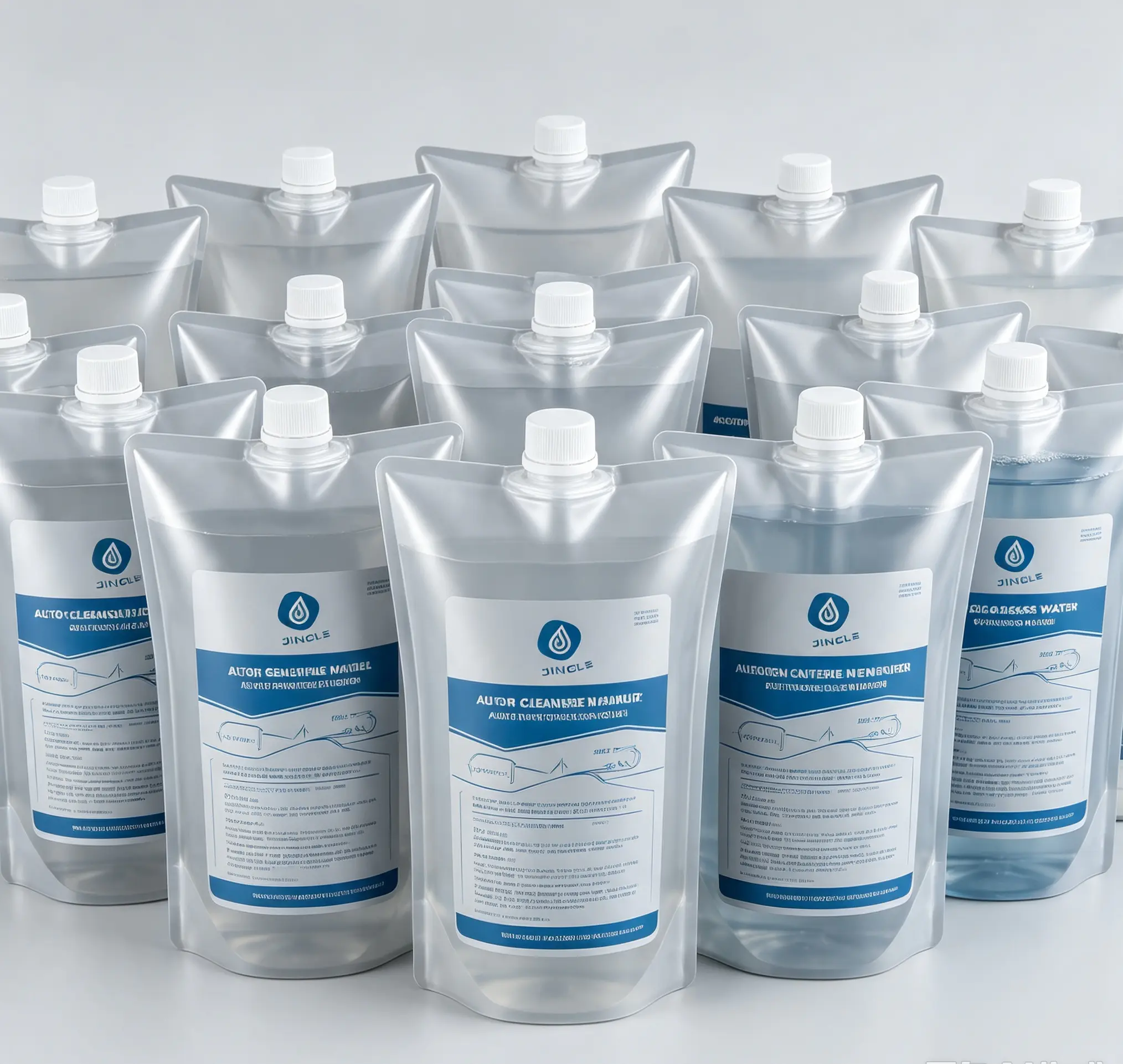
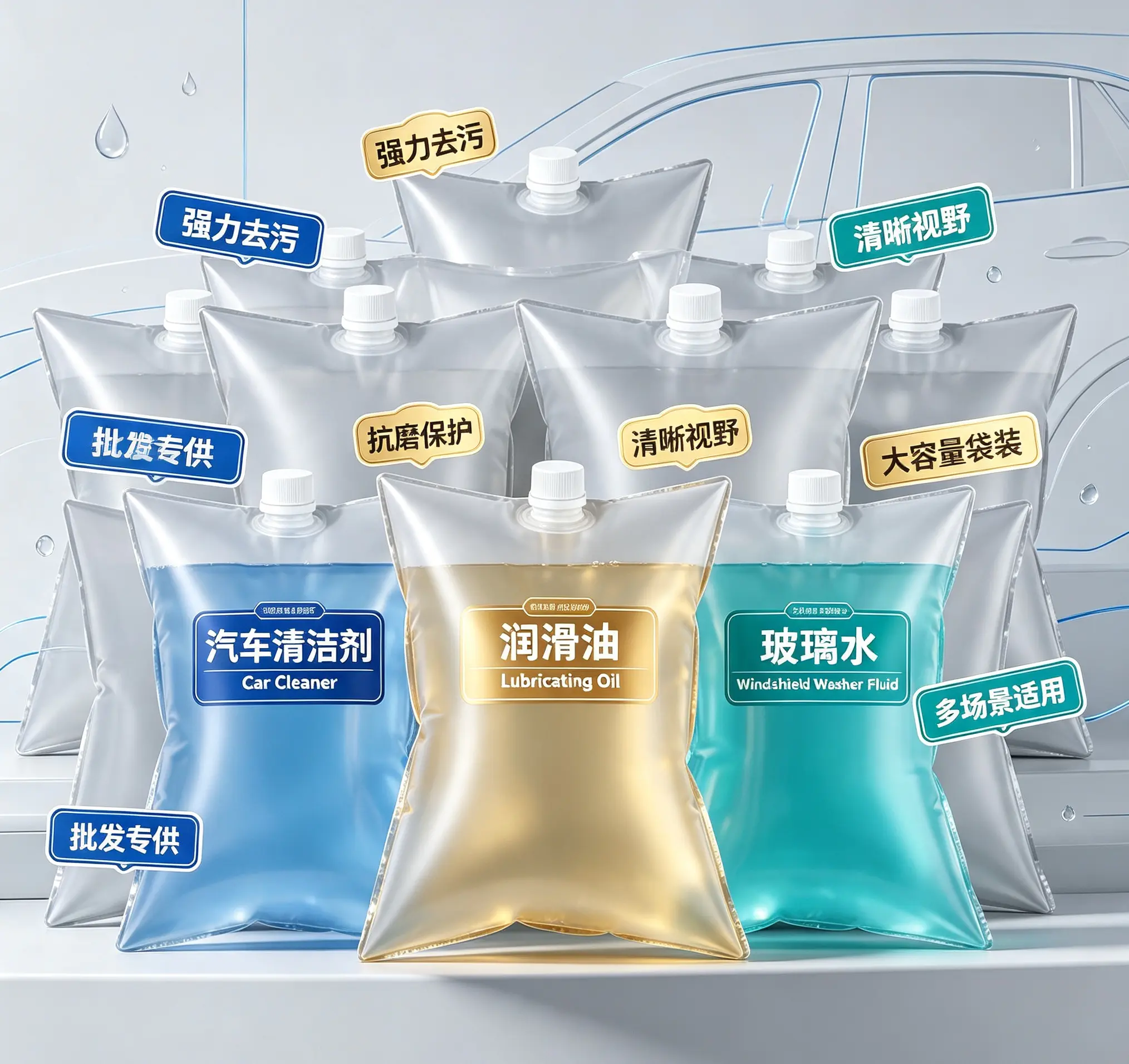
Switching automotive fluids from bottles and cans to car supplies bag-in-box packaging cuts material use, shrinks pallet footprint, and keeps washer fluid, coolant, and lubricants sealed from oxygen and contamination until the last drop is dispensed.
A bag-in-box system pairs a flexible multi-layer inner bag with a corrugated outer carton and an integrated dispensing valve. The bag holds and protects the fluid while the carton carries the load during stacking and transport. As product is drawn out through the valve, the bag collapses inward, keeping air exposure to a minimum and preserving fluid quality through the entire usage cycle.
Bag-in-box packaging: a flexible inner bag sealed inside a rigid carton, dispensing fluid through a valve while collapsing as volume is used — no air drawn in, no product wasted.
The shift away from rigid containers comes down to four measurable gains: less packaging weight per liter shipped, denser pallet loads, tighter contamination control, and a meaningfully smaller plastic footprint.
Set side by side against the formats it is replacing, the difference in efficiency becomes clear across every stage from filling to final dispensing.
| Fluid Type | Packaging Benefit |
| Windshield washer fluid | Easy pouring, compact storage, simple distribution |
| Engine coolant & antifreeze | Strong chemical resistance, reliable long-term sealing |
| Engine oils & lubricants | Clean dispensing, low contamination risk |
| Car shampoo & interior cleaners | Controlled flow, reduced product waste |
Film is extruded and laminated into its multi-layer barrier structure, then cut and heat-sealed into bag form with leak testing built into the line. Valve fittings are installed and function-tested before filling, and every filled unit passes sealing and transportation testing before it ships.
Yes. With the right barrier film, BIB packaging holds strong chemical resistance and reliable sealing over long-term storage, making it well suited to coolant and antifreeze products.
Generally yes. Lower packaging weight and denser pallet loading both reduce cost per liter transported compared with rigid bottles or metal containers.
As fluid is dispensed, the bag collapses inward instead of drawing in outside air, which limits oxygen exposure and helps maintain product quality until the container is empty.
Yes. Capacity, valve type, and carton branding can all be adjusted to match distribution needs and retail presentation requirements.
As automotive suppliers look for lighter, more efficient, and better-protected fluid storage, car supplies bag-in-box packaging continues to replace bottles and metal containers across washer fluid, coolant, lubricant, and cleaning product lines.
 |
 |
Address
No. 758 Longqiao Road, Wujiang Economic Development Zone, Suzhou, Jiangsu, China, 215200
cs3@suzhoujingle.com ( Ellie Li )
sales-sea@suzhoujingle.com ( Alex Too )
billhe@suzhoujingle.com ( Bill He )
kennyyan@suzhoujingle.com ( Kenny Yan )
Phone
+86-51263068181
Fax
+86-51263068282

Suzhou Jingle Packaging Technology Co., Ltd. mainly develops and produces Aseptic BIB Packaging/Bag Products for food, beverage, and non-food fields, supporting the filling equipment, selling self-produced packaging products, and providing corresponding after-sales services.
Keep in touch

 English
 中文简体
中文简体
 русский
 Español