English
 中文简体
中文简体
 русский
 Español









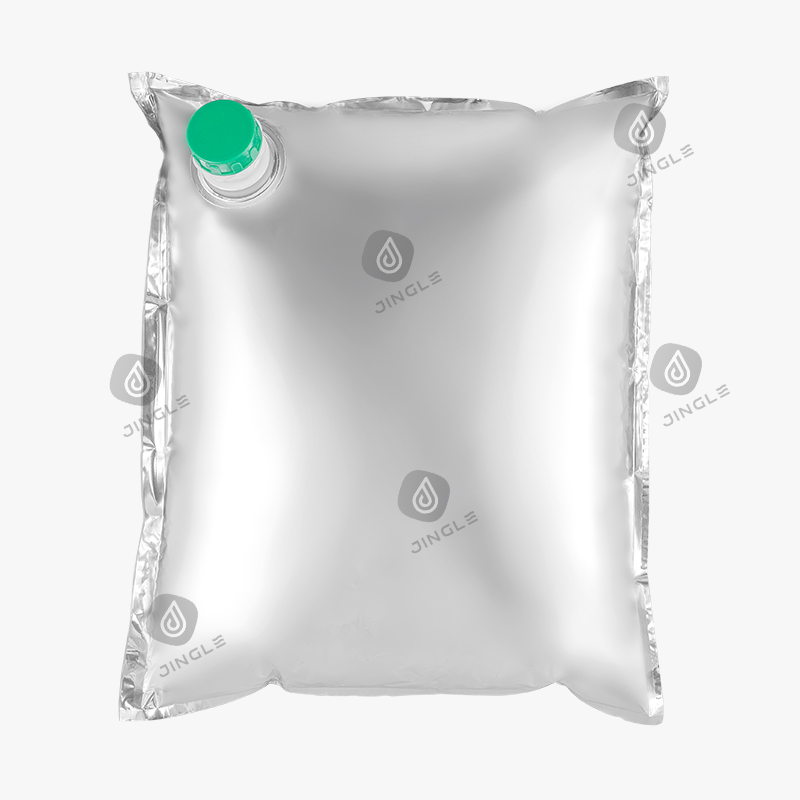
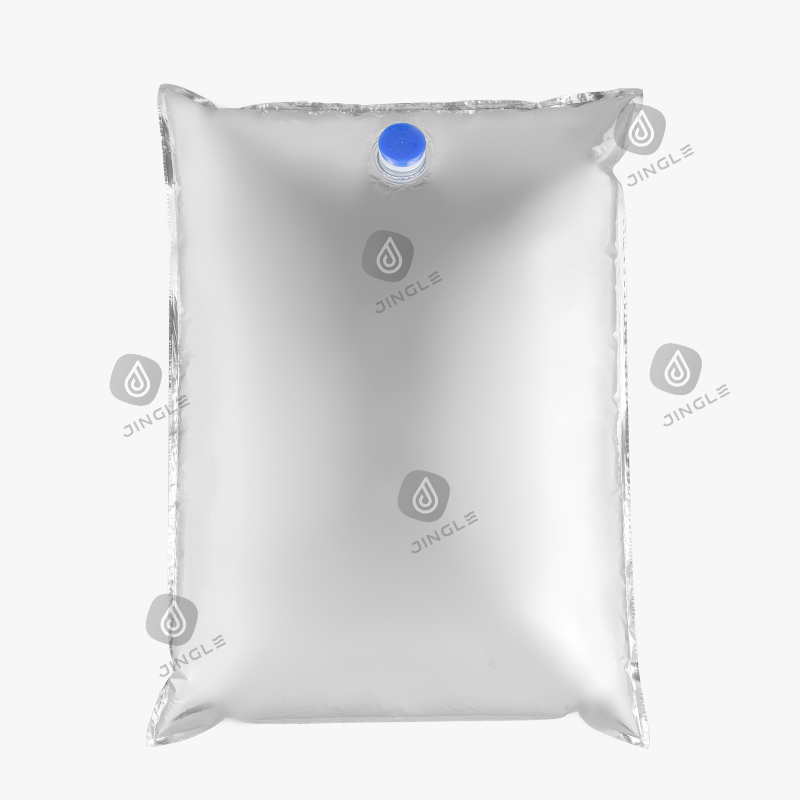
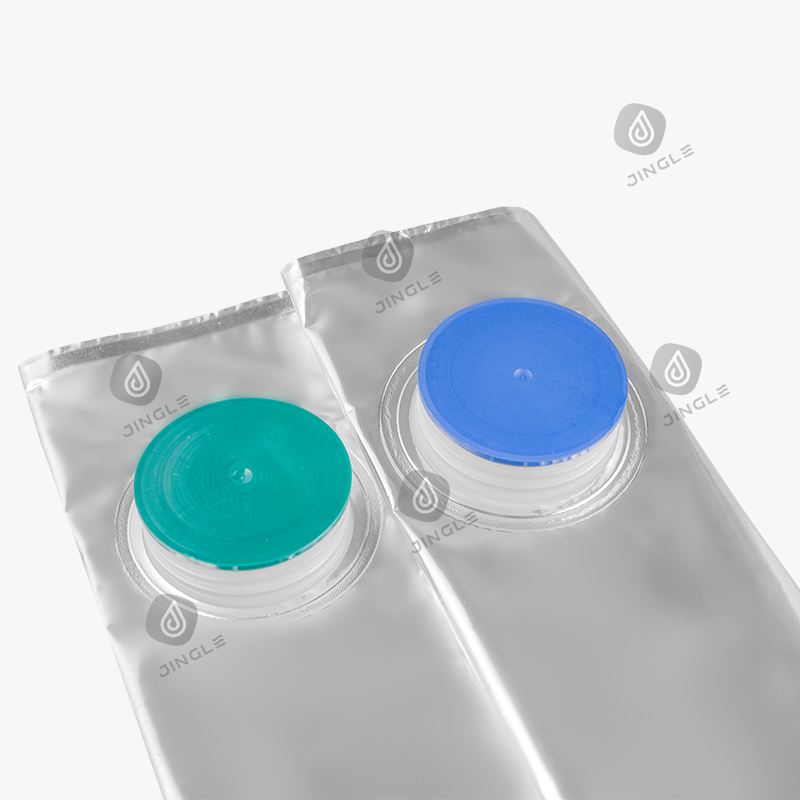
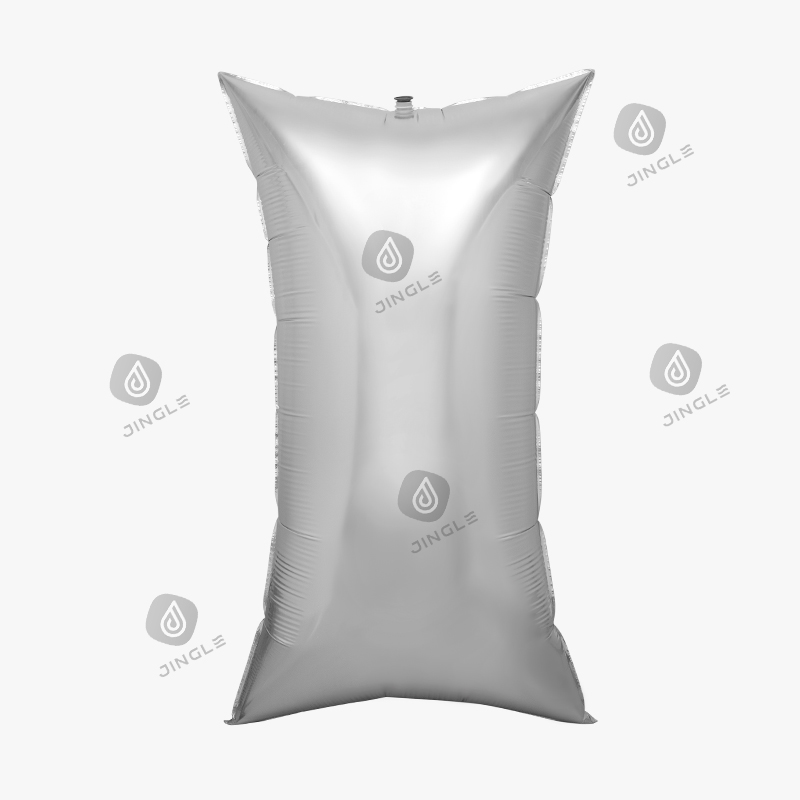
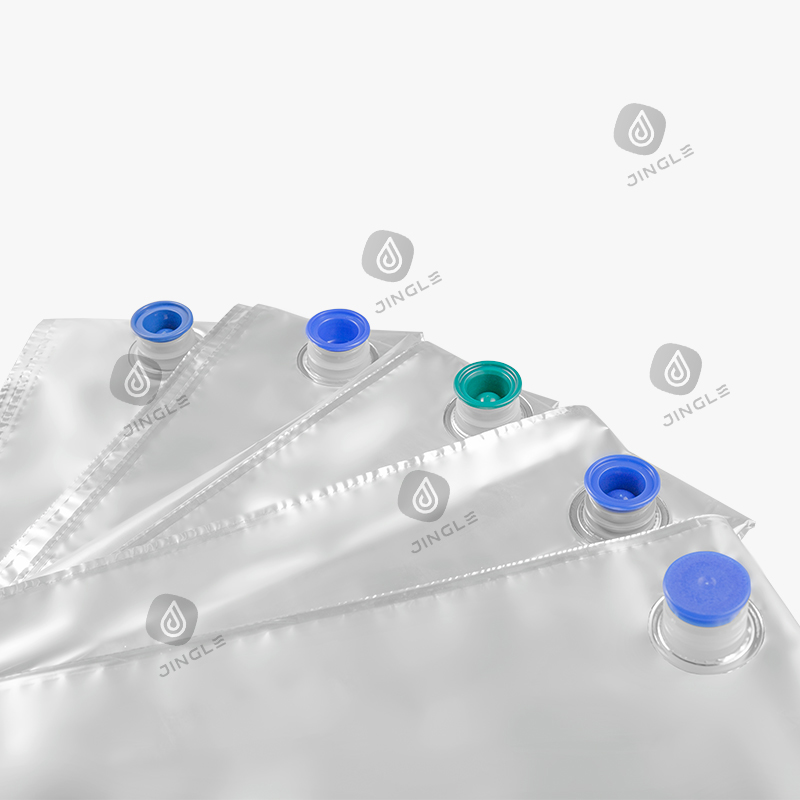
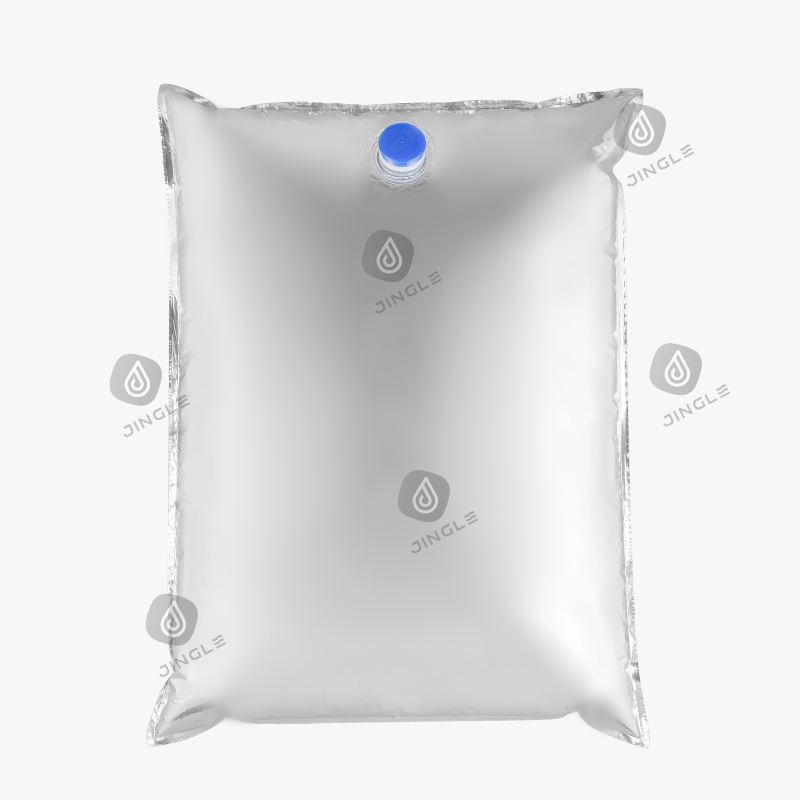
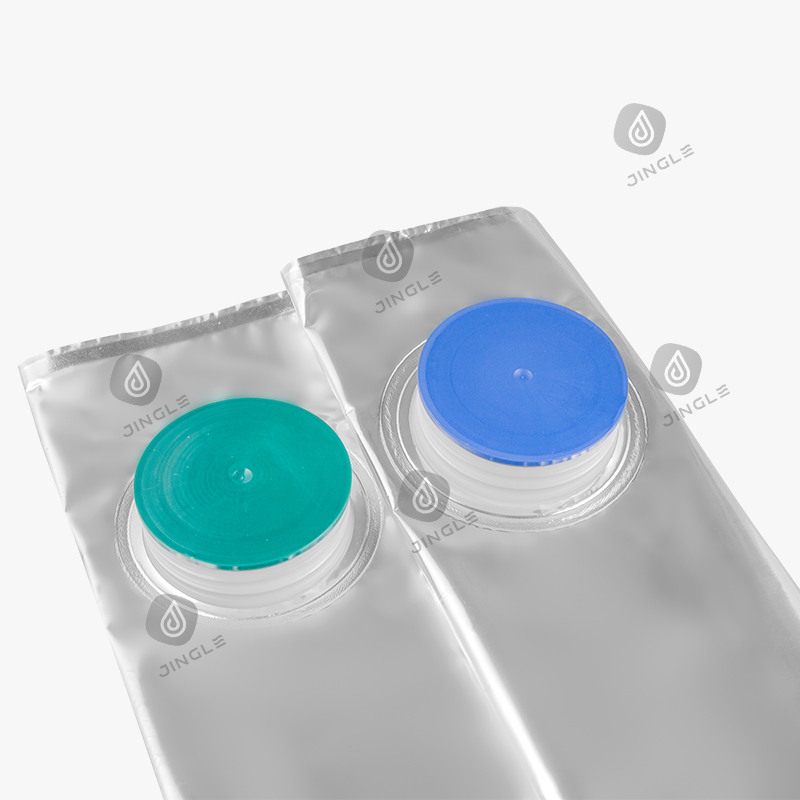
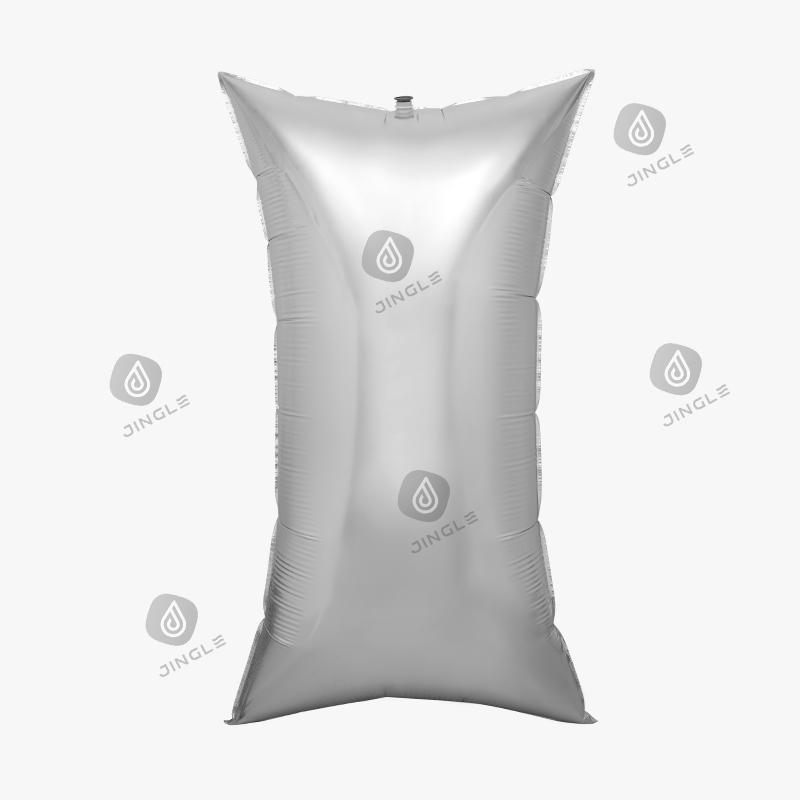
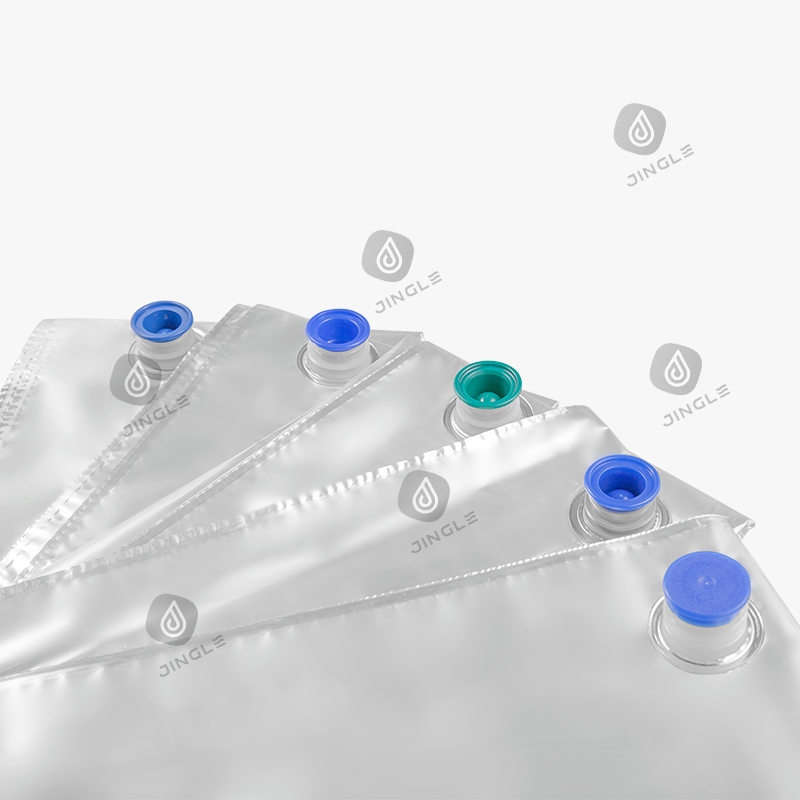
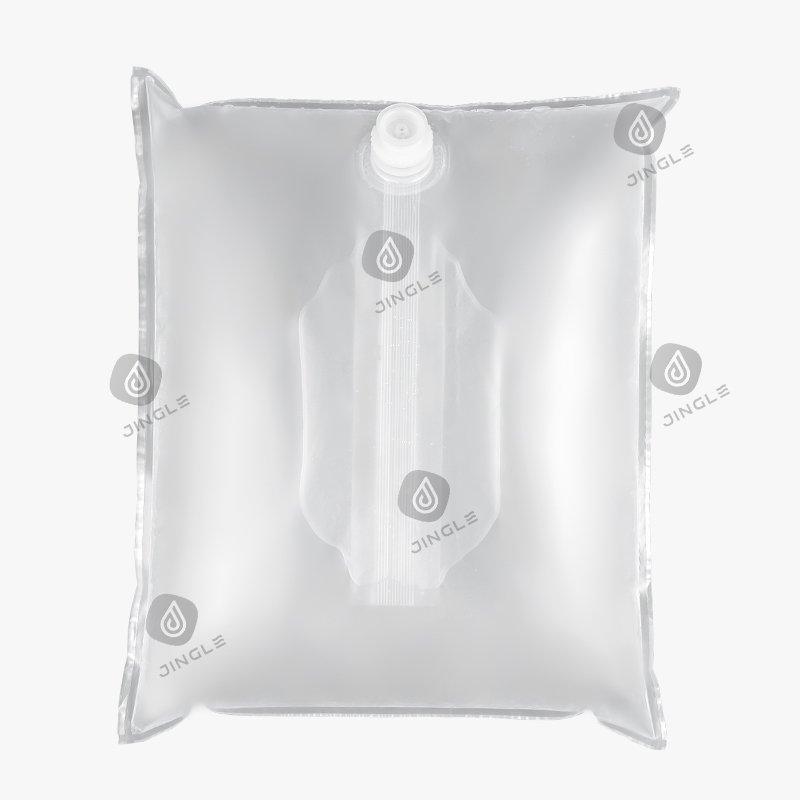
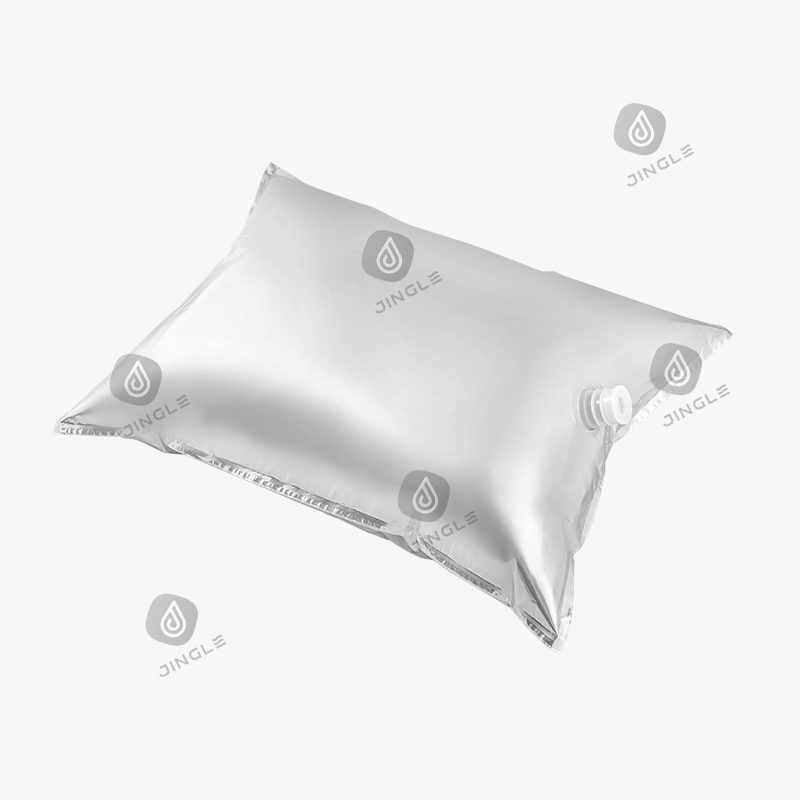
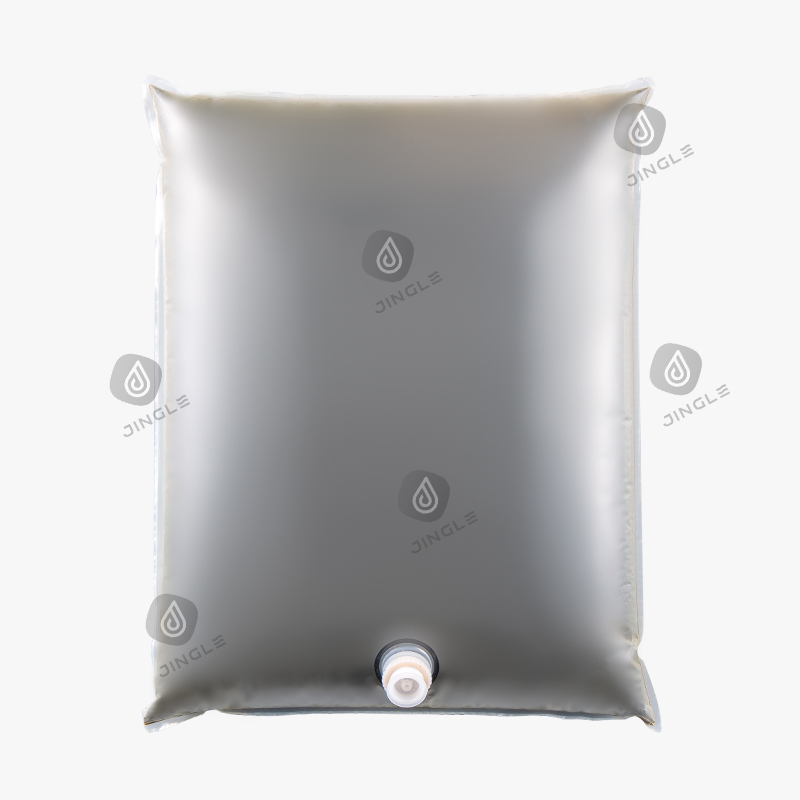
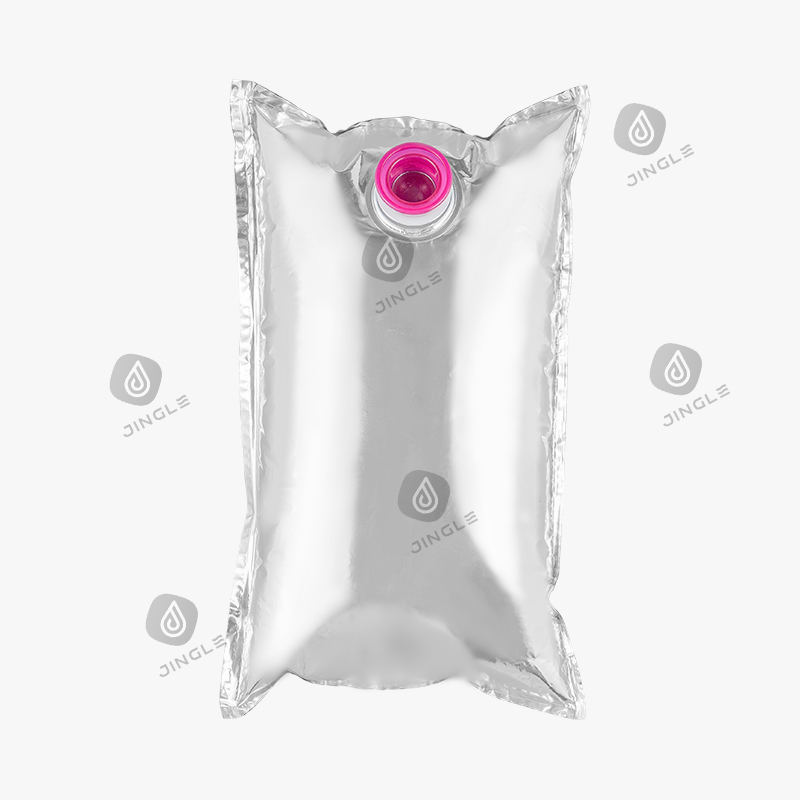
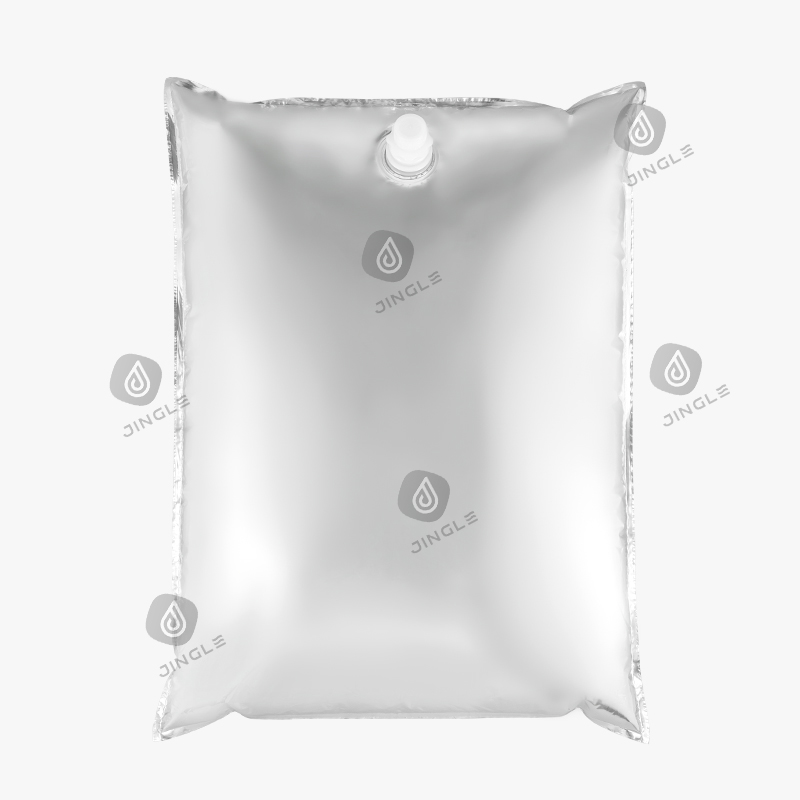
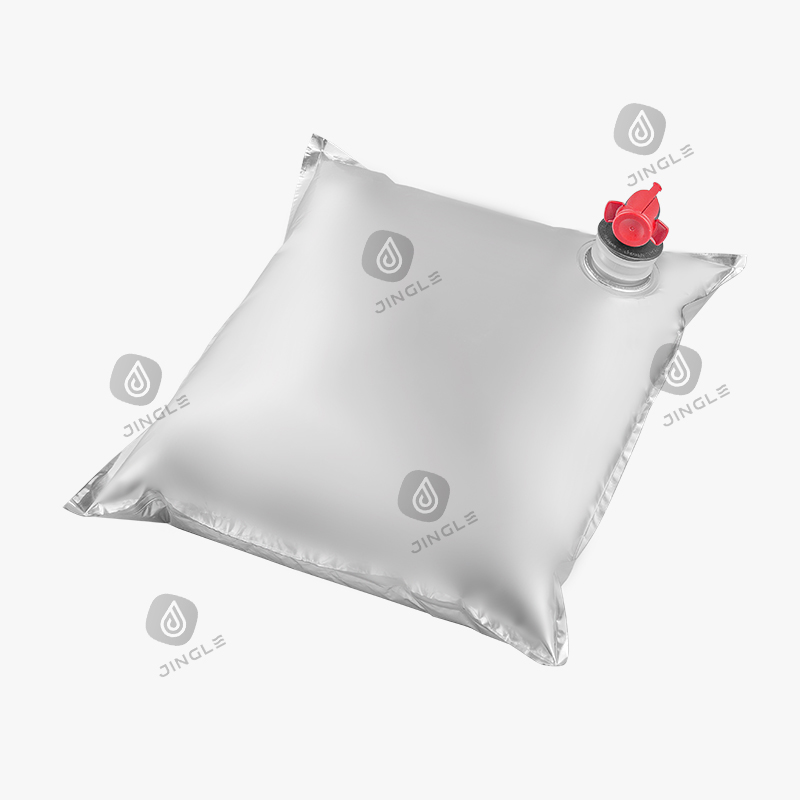
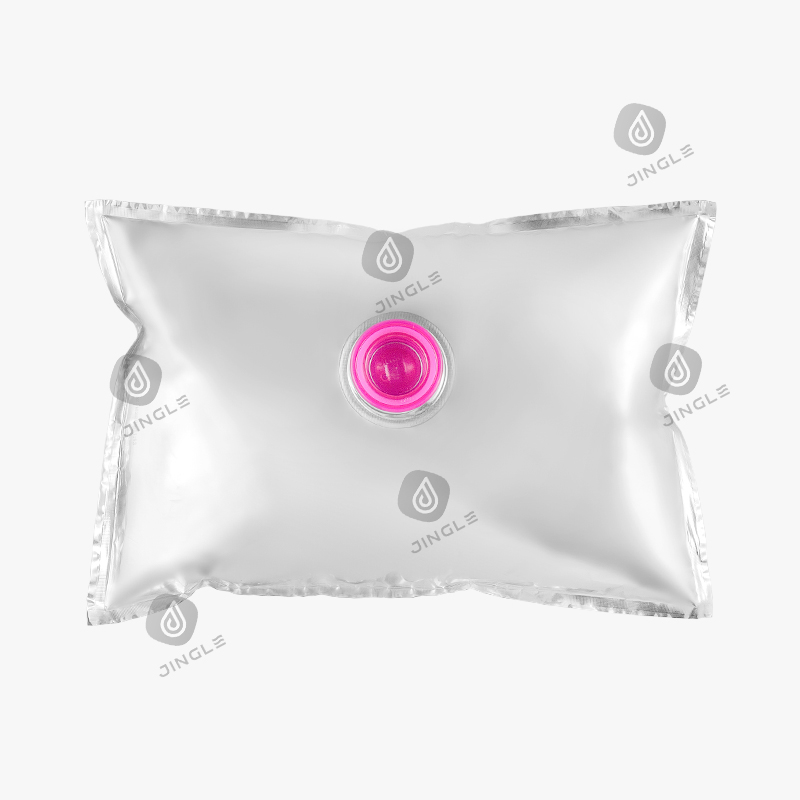
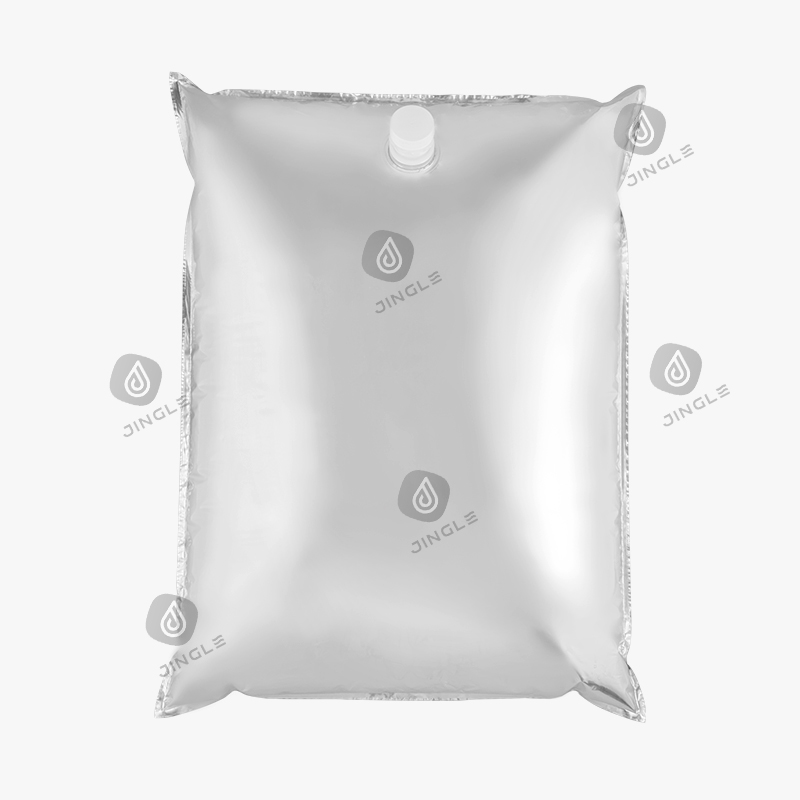
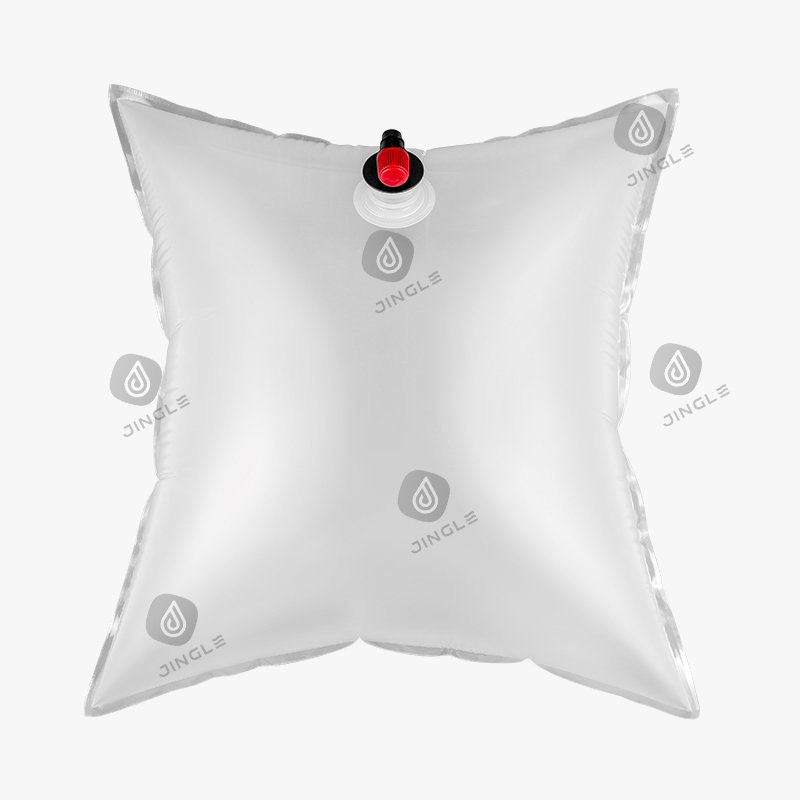
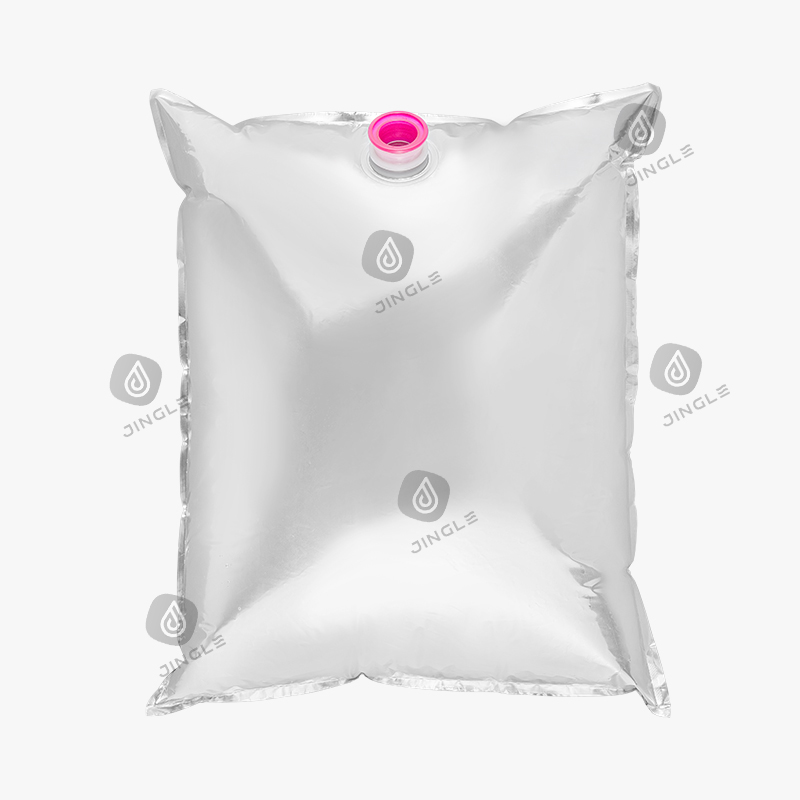
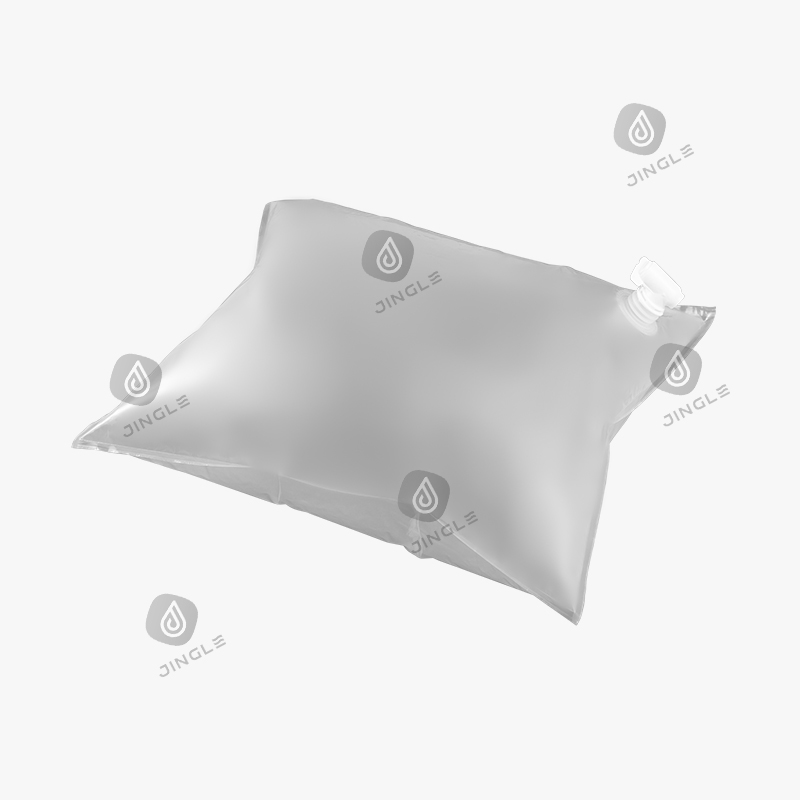
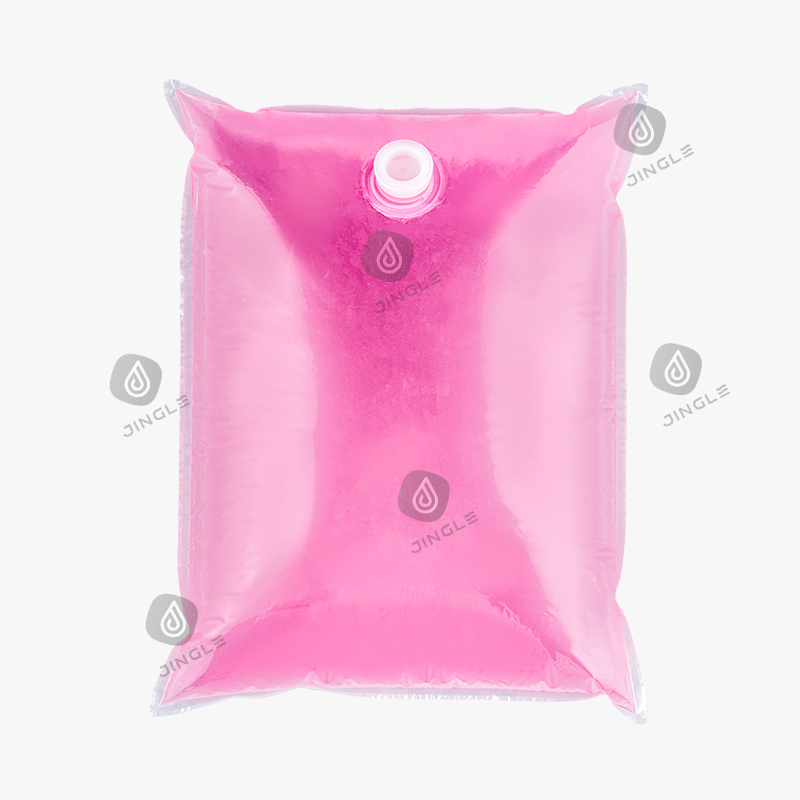
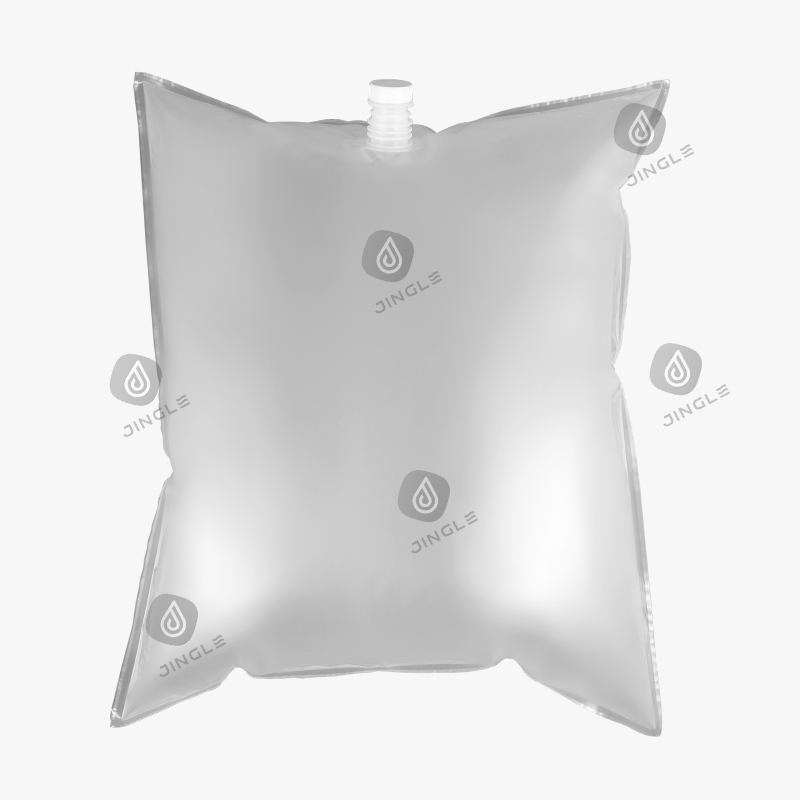
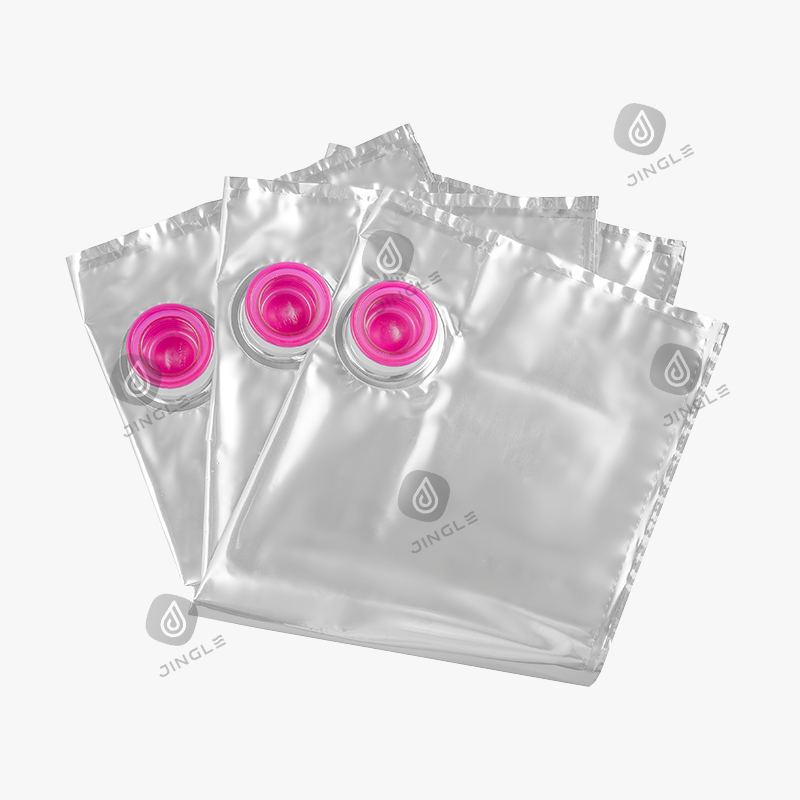
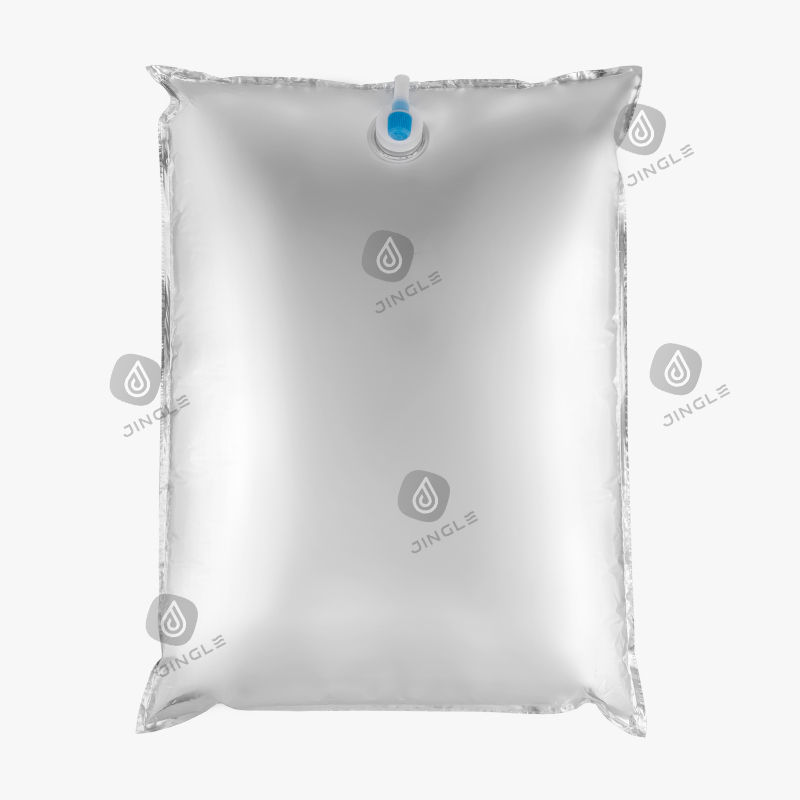
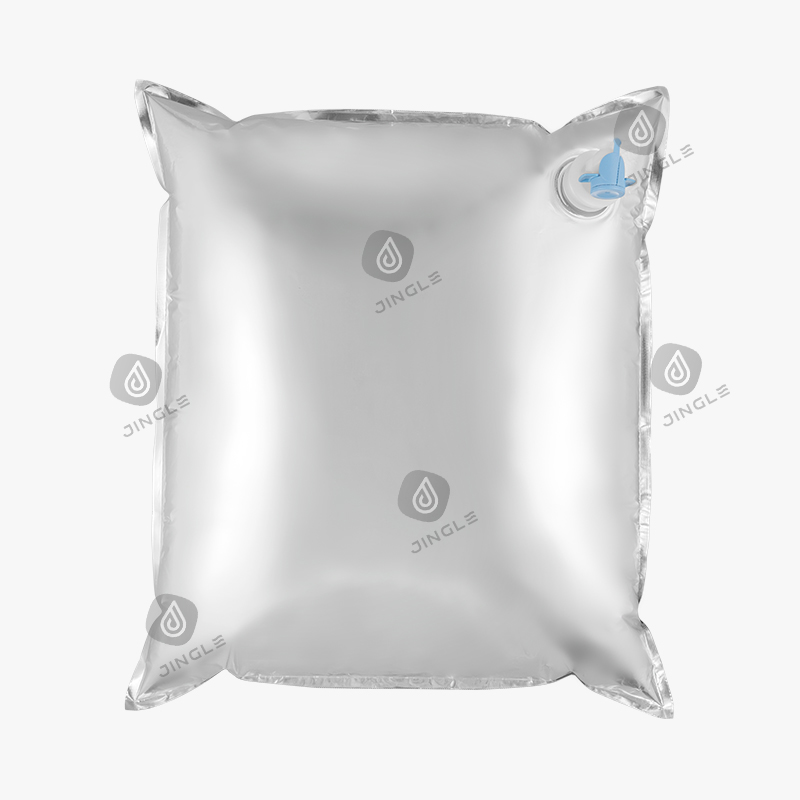
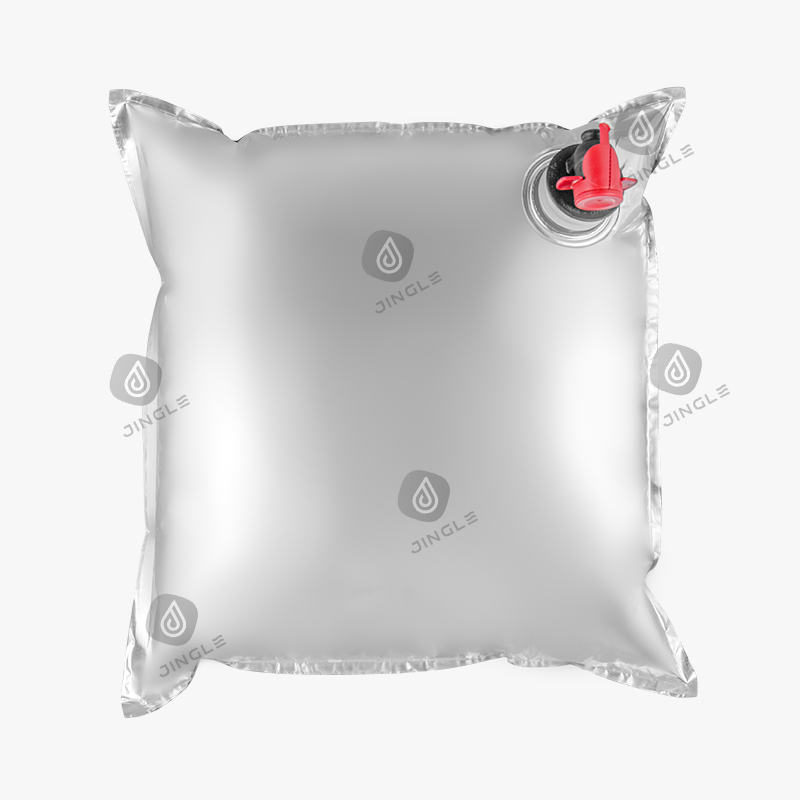
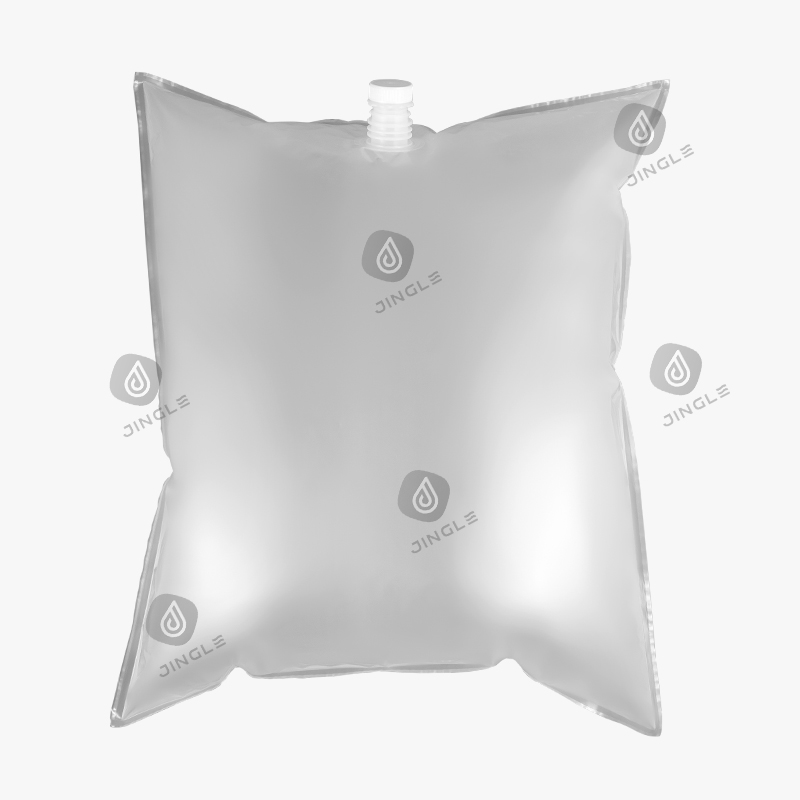
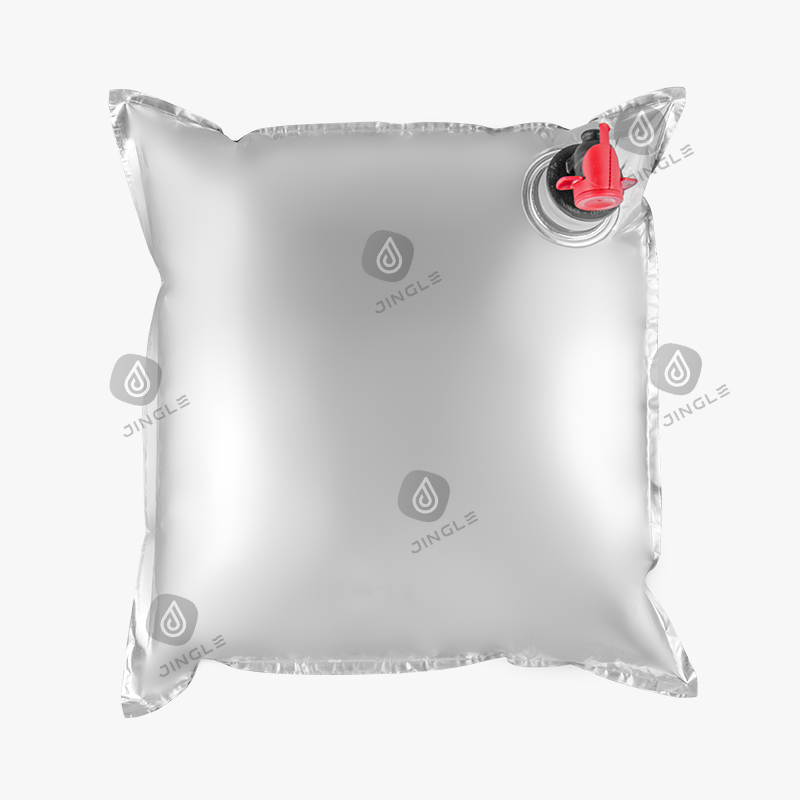
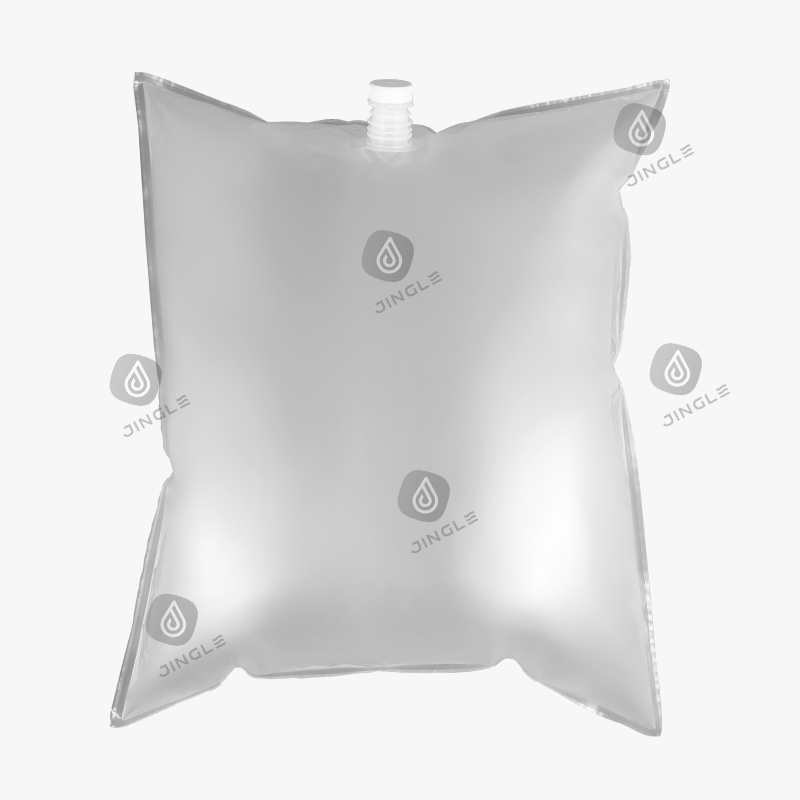
What Is Bag-In-Box (BIB) Packaging?
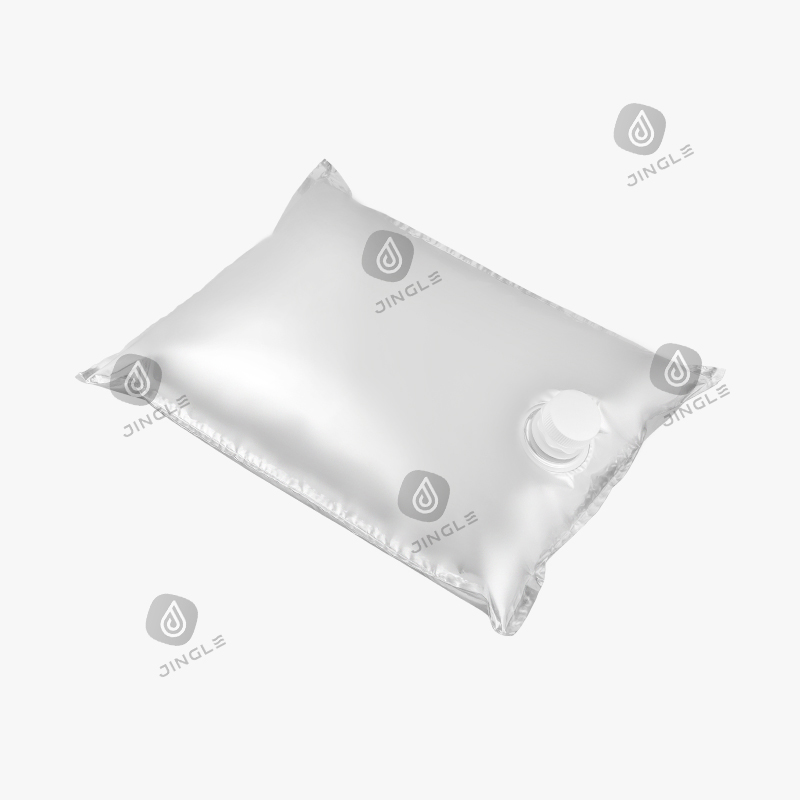
Bag-In-Box (BIB) is a composite liquid packaging system consisting of a flexible multi-layer inner bag sealed within a rigid outer corrugated carton. As the product is dispensed, the bag collapses naturally, preventing air from re-entering and significantly extending the product's freshness after opening. BIB is widely used across food, beverage, dairy, and industrial liquid sectors, with standard capacities ranging from 1 liter to over 20 liters, suitable for both ambient and cold chain distribution.
Core Advantages of Bag-In-Box Packaging
Extended Shelf Life Through Oxygen Barrier Design
The inner bag is engineered with high-barrier films (such as EVOH or metallized layers) that minimize oxygen transmission. As the liquid is dispensed, the bag deflates rather than drawing in air, effectively delaying oxidation. For oxygen-sensitive products such as wine, juice, and edible oils, this extends the post-opening shelf life by 4 to 6 weeks, far exceeding conventional rigid containers.
Reduced Packaging Weight and Transportation Cost
A 10-liter BIB system typically weighs less than 300 grams in packaging material, while a glass bottle of the same capacity exceeds 2,500 grams. This lower tare weight translates directly into lower freight costs, reduced carbon emissions per unit shipped, and improved pallet efficiency.
Minimal Product Waste and Full Evacuation
The bag's collapsible structure allows over 99.5% product recovery. For high-frequency usage scenarios like food service operations, this directly reduces waste caused by packaging residue and increases the actual profit per serving.
Compatibility With Automated Dispensing Systems
BIB bags feature standardized connector fittings (BagFresh, Vitop, Scholle-type taps), enabling seamless integration into existing dispensing infrastructure such as beverage fountains, coffee machines, and industrial systems without modification.
Product Specifications and Technical Features
Inner Bag Film Construction
Available Capacity Range
| Capacity | Typical Application | Common Tap Type |
|---|---|---|
| 1–3 L | Retail wine, premium juice, specialty beverages | Vitop tap, push-pull valve |
| 5 L | Edible oil, vinegar, soy sauce, drinking water | Standard dispensing tap |
| 10 L | Food service beverages, liquid dairy, pasteurized liquid eggs | Scholle connector, BIB probe |
| 20 L | Industrial syrups, concentrates, detergents, lubricants | Large-bore pump connector |
Table 1: BIB Capacity Range and Common Application Reference