English
 中文简体
中文简体
 русский
 Español



Custom Bag-In-Box (BIB) Packaging Films And Valves
Engineered multi-layer barrier films paired with precision dispensing valves for complete Bag-In-Box packaging systems. Single-source supply of film and valve components with verified chemical compatibility, oxygen barrier performance, and dispensing flow characteristics for food, beverage, industrial, and pharmaceutical liquid products.
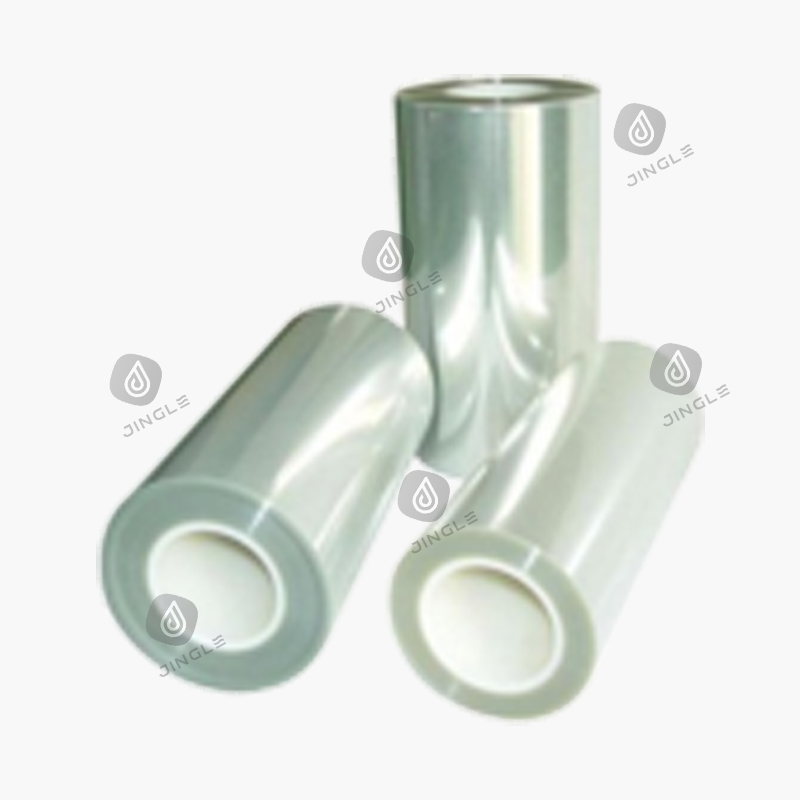
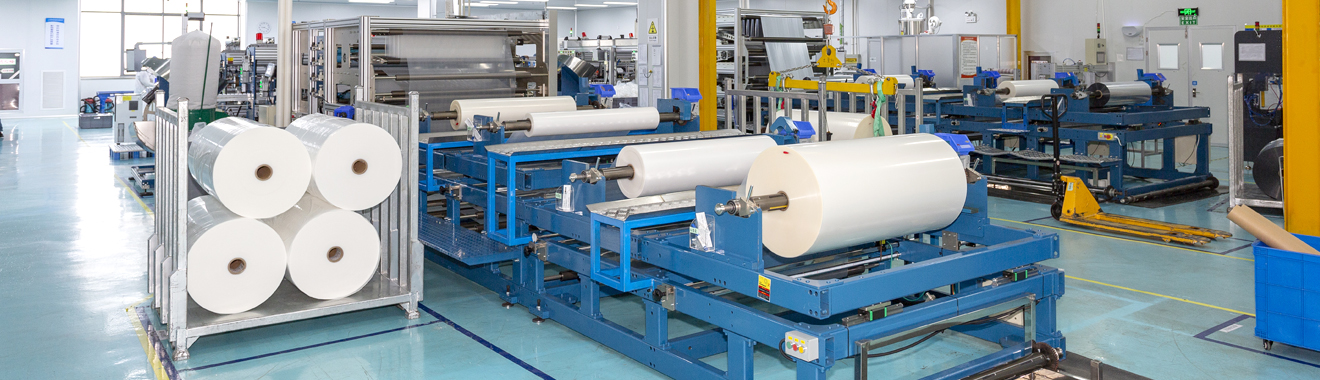
Custom BIB packaging films and valves represent the integrated material science and precision engineering foundation of Bag-In-Box liquid containment systems. The inner bag film is a co-extruded or laminated multi-layer structure combining polyethylene for liquid contact and heat sealing, EVOH or metallized layers for oxygen and vapor barrier performance, and specialized tie resins for inter-layer adhesion under chemical exposure. The dispensing valve interfaces directly with the bag spout, providing controlled product evacuation through press-tap, twist-tap, push-pull, or aseptic one-way mechanisms. By sourcing film and valve components as a matched system from a single supplier, packaging engineers eliminate compatibility variables between bag film seal layers and valve gasket materials, ensuring validated seal integrity and dispensing performance across the full product shelf life.
Core Advantages
Single-source supply eliminates guesswork in matching bag film seal layers with valve gasket materials. Each film-valve combination undergoes heat seal strength testing per ASTM F88 and seal integrity testing per ASTM F2095 with the customer's target liquid product before production release.
Film oxygen transmission rates from below 0.5 cc/m²/day for metallized structures to 5 cc/m²/day for standard PE. Valve orifice diameters from 6mm to 25mm. Combined selection based on product oxidation sensitivity and desired dispensing flow rate.
Consolidated procurement of film and valve components from one supplier reduces vendor management complexity. Single certificate of conformance covers both film and valve components. Coordinated production scheduling ensures film and valve inventory alignment for filling line operations.
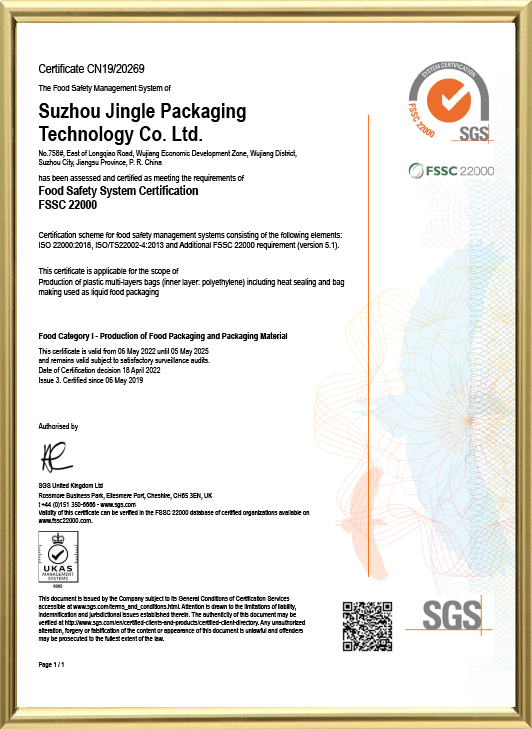
Combined documentation for FDA 21 CFR, EU 10/2011, and USP Class VI compliance covering both film and valve materials. Single extractables study can evaluate the complete film-valve system per USP 1663, reducing regulatory testing duplication for pharmaceutical and food applications.
Film & Valve Technical Specifications
Application Scenarios By Film-Valve Combination
Common Questions & Technical Guidance
Q1 How to validate film-valve seal integrity for a new product application?
Validation follows a three-stage protocol. Stage one involves heat seal strength testing per ASTM F88 on film-to-spout seals with the target liquid product at accelerated aging conditions of 40°C for 30 days. Stage two performs whole-package seal integrity testing per ASTM F2095 using vacuum decay or dye penetration methods. Stage three conducts real-time shelf life testing with microbial challenge studies for aseptic applications. The combined film-valve supplier provides a validation protocol document and can perform testing at their facility with customer-supplied product samples.
Q2 What is the minimum order quantity for custom film and valve combinations?
Custom film structures typically require minimum order quantities of 5,000–10,000 linear meters depending on film complexity and width. Custom valve colors or embossed logos require minimum 10,000–25,000 units per SKU. For new film-valve combination qualification, sample quantities of 50–100 units are available for customer filling trials. Standard film and valve combinations from existing product lines have no minimum order quantity beyond standard case pack configurations.
Q3 Can existing BIB filling equipment handle different film and valve types?
Most BIB filling machines accommodate multiple film types and spout sizes with minimal changeover adjustments. Key compatibility factors include spout diameter (25mm or 32mm industry standards), spout flange design for the filling head interface, and film heat seal temperature range. The combined film-valve supplier provides technical data sheets with recommended heat seal temperature, dwell time, and pressure parameters for each film-valve combination. On-site filling trial support is available for new film-valve introductions to existing filling lines.
Q4 How does single-source film and valve supply benefit regulatory submissions?
Single-source supply streamlines regulatory documentation by providing a unified extractables and leachables study covering both film and valve materials as a complete system. For pharmaceutical applications, this eliminates the need to cross-reference film supplier data with valve supplier data during Drug Master File preparation. For food contact applications, a single Declaration of Compliance covers both components under EU 10/2011 or FDA 21 CFR. Combined traceability records from resin lot through finished component simplify recall readiness and audit response.