Home / Products / BIB Packaging For Food & Beverage / Liquid Egg
Suzhou Jingle Packaging Technology Co., Ltd.

Wholesale Liquid Egg Bag-In-Box(BIB) Packaging

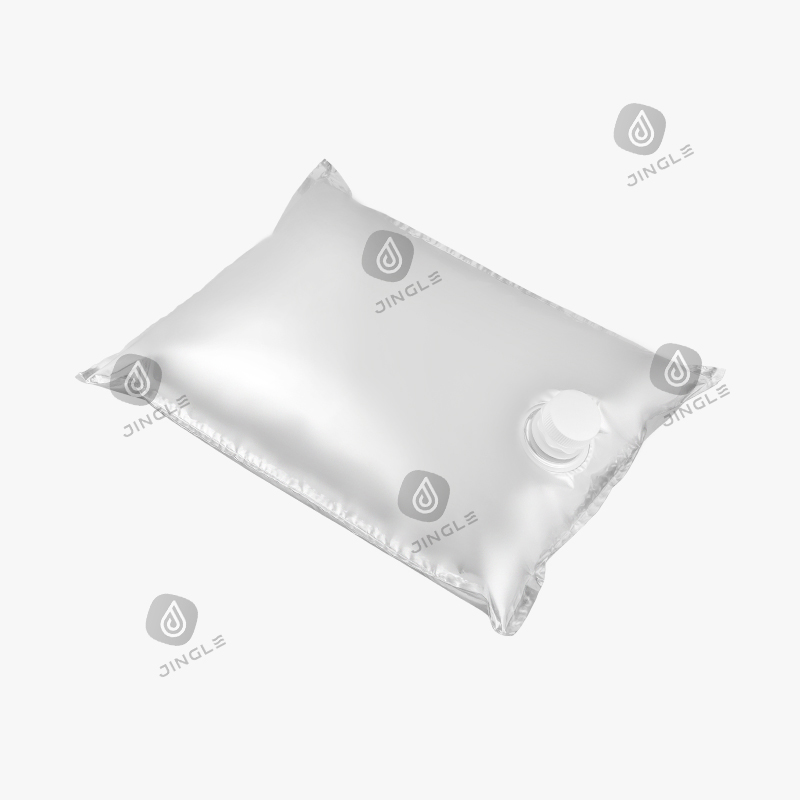
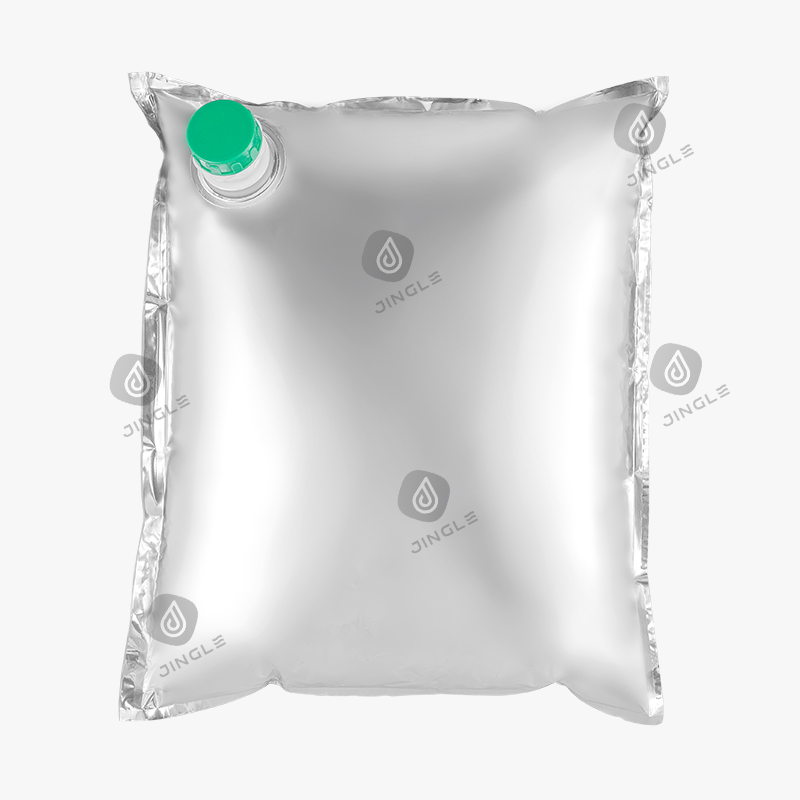
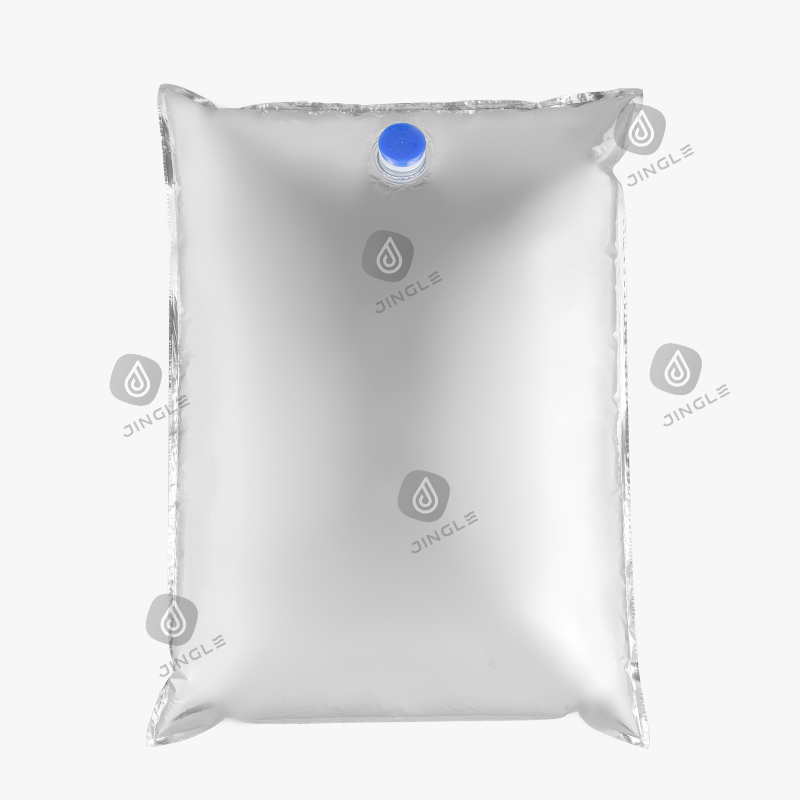
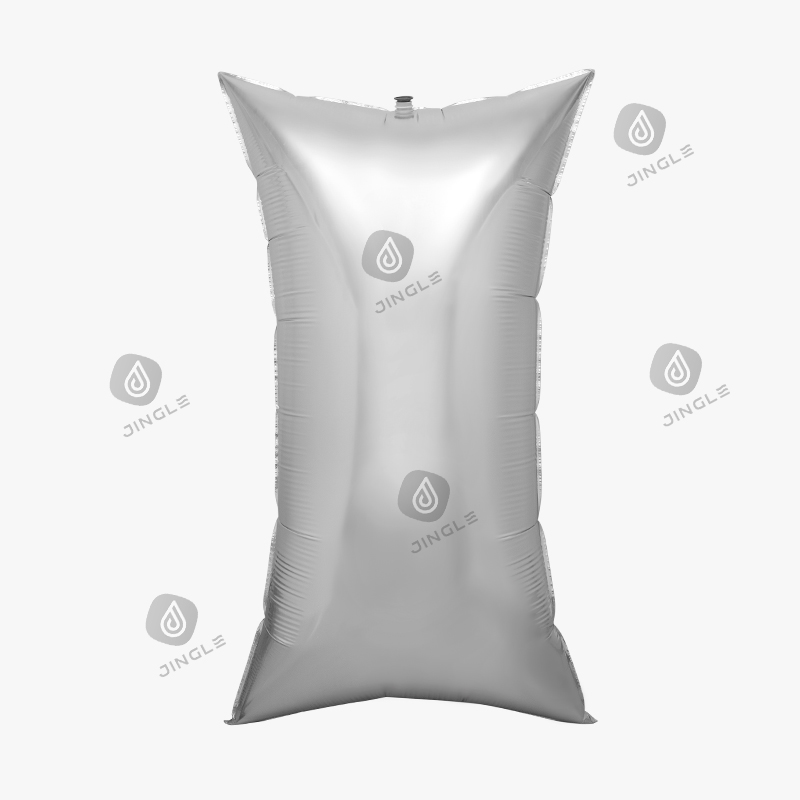
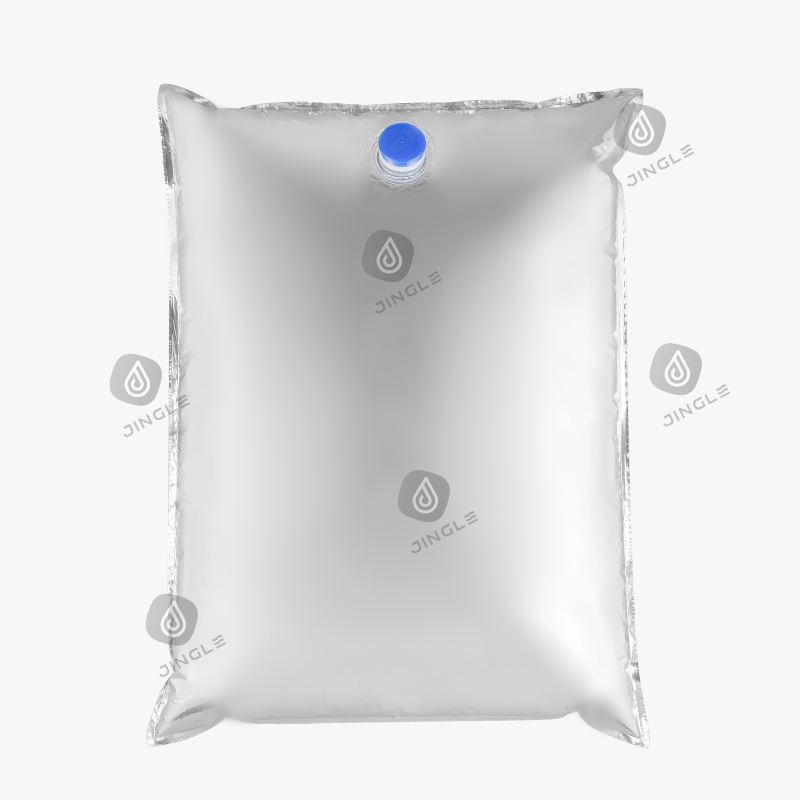
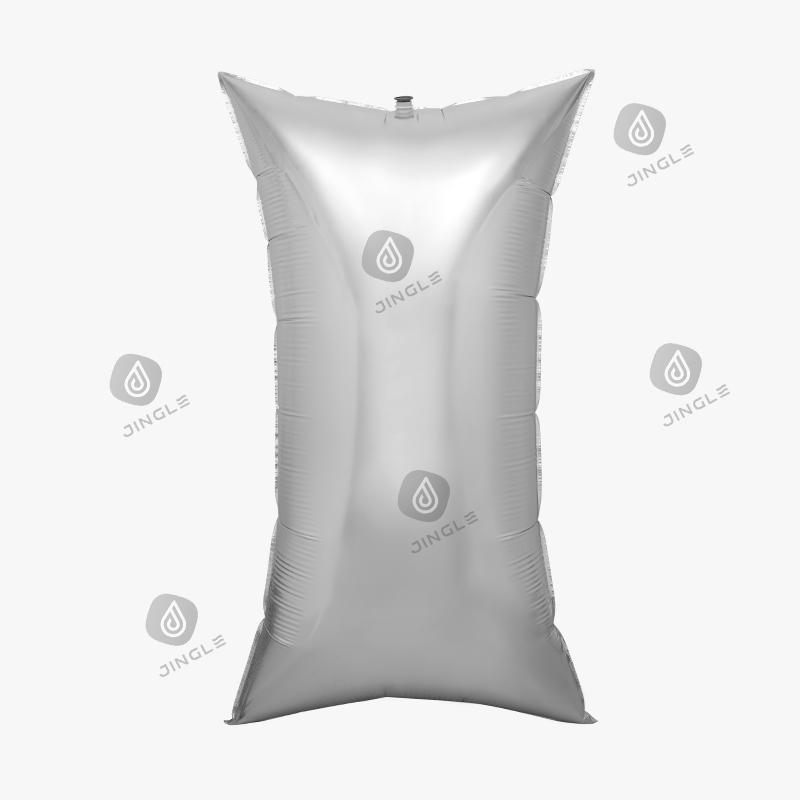
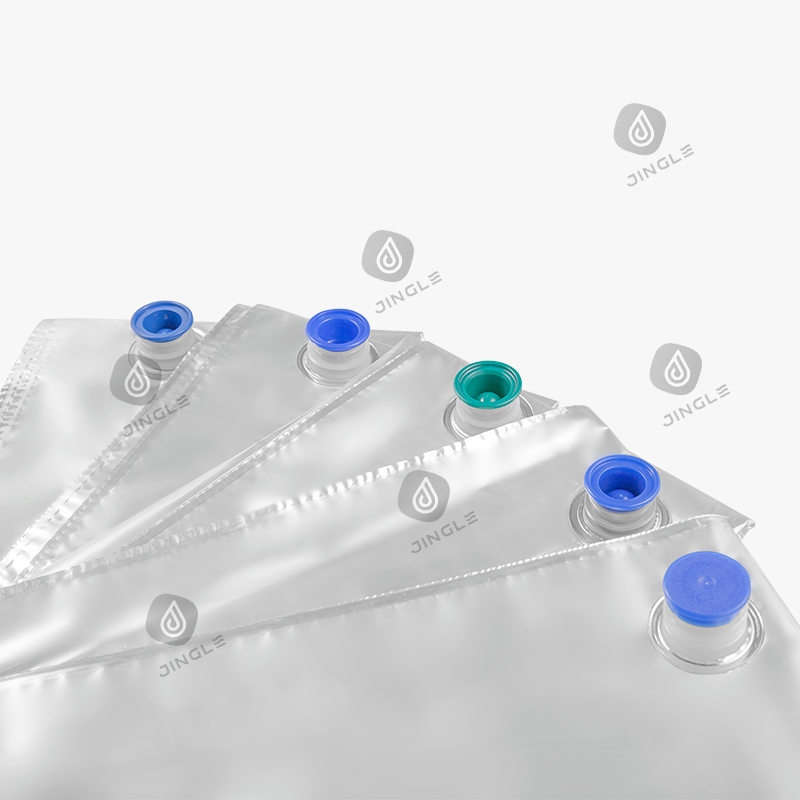
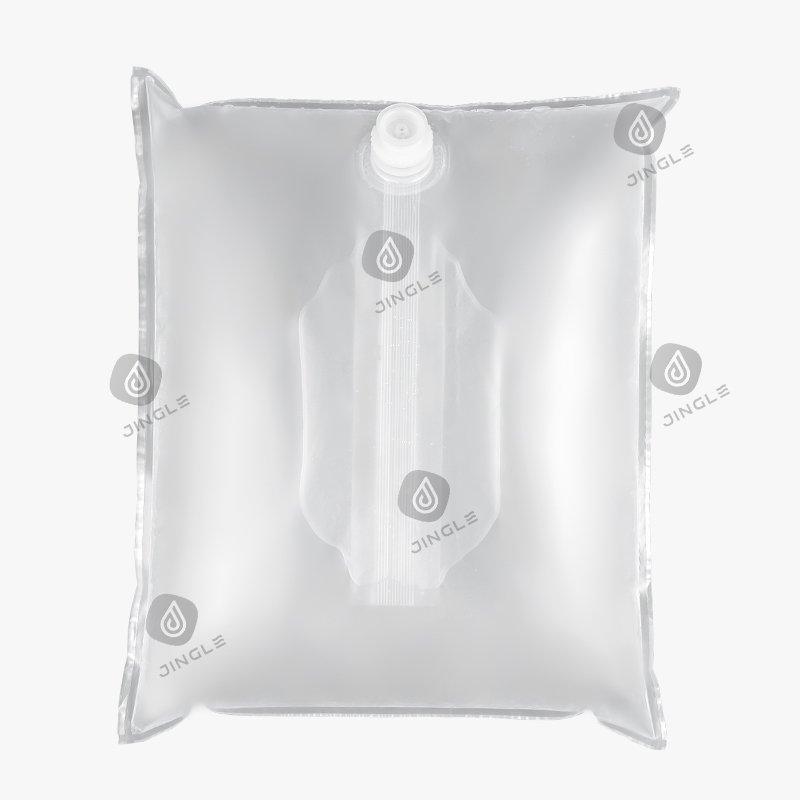
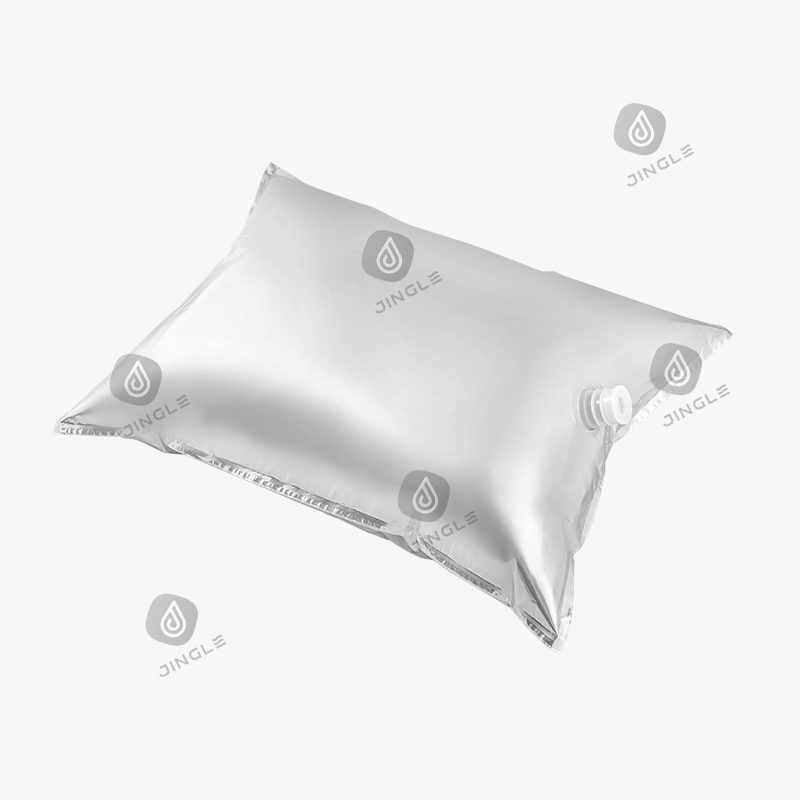
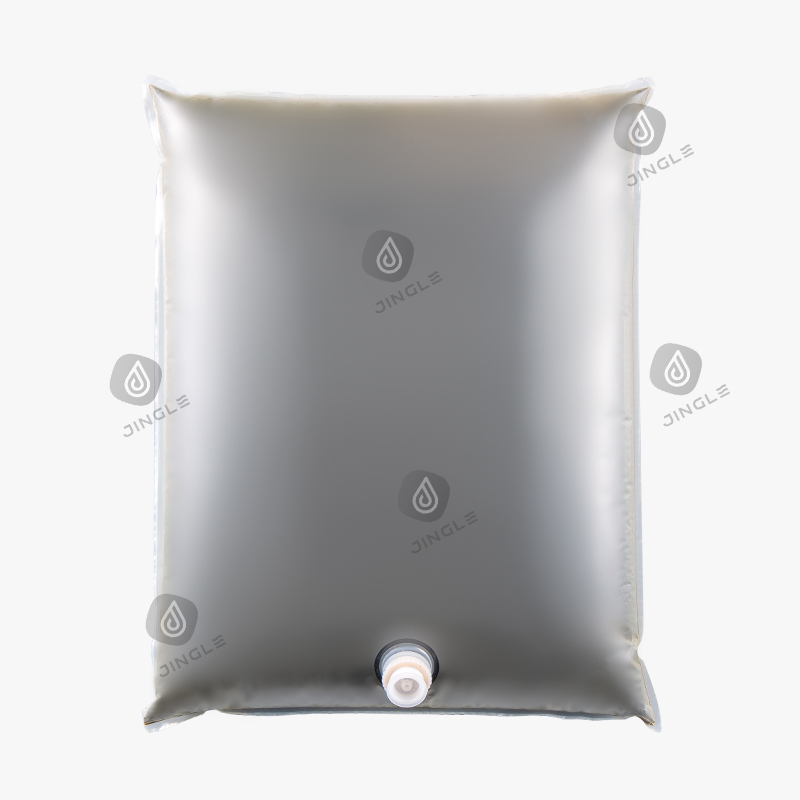
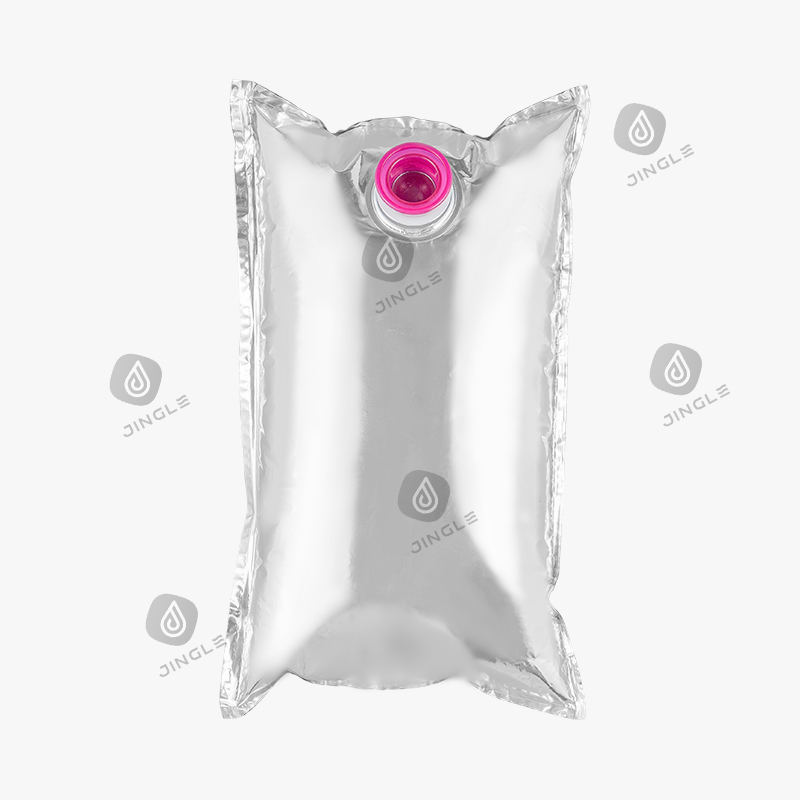
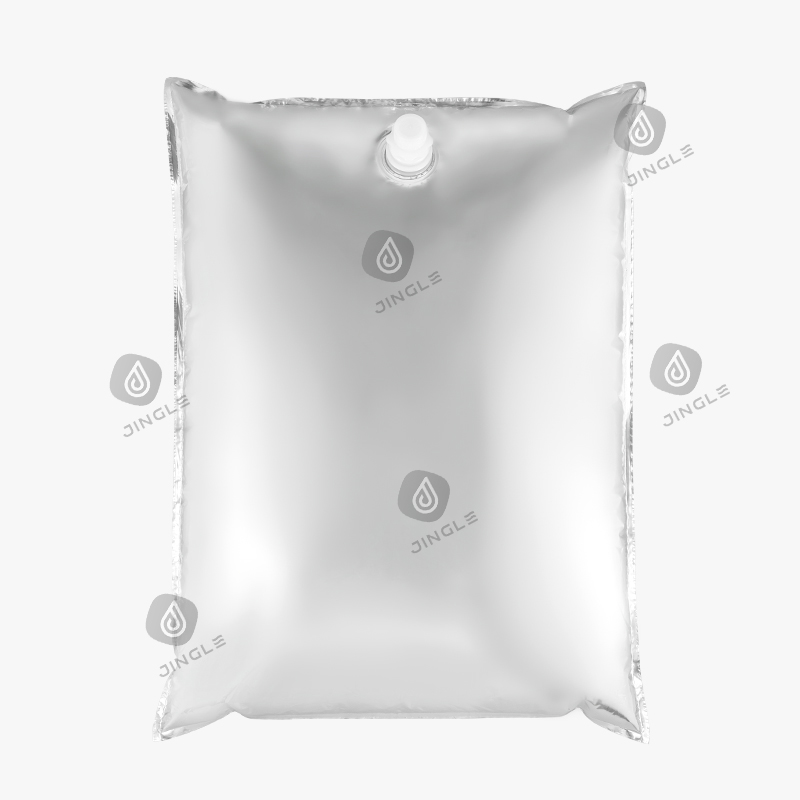
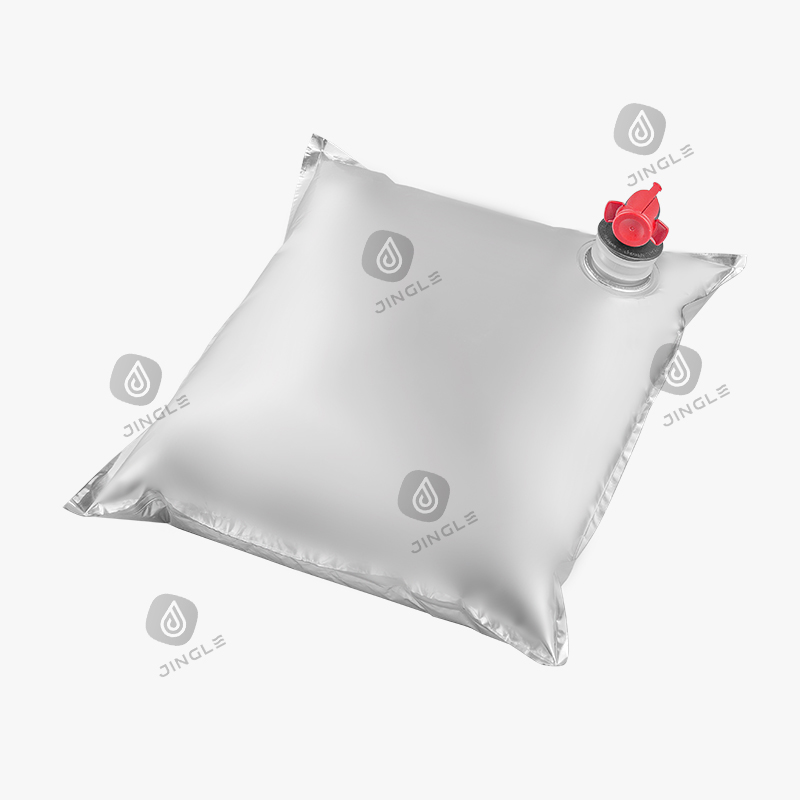
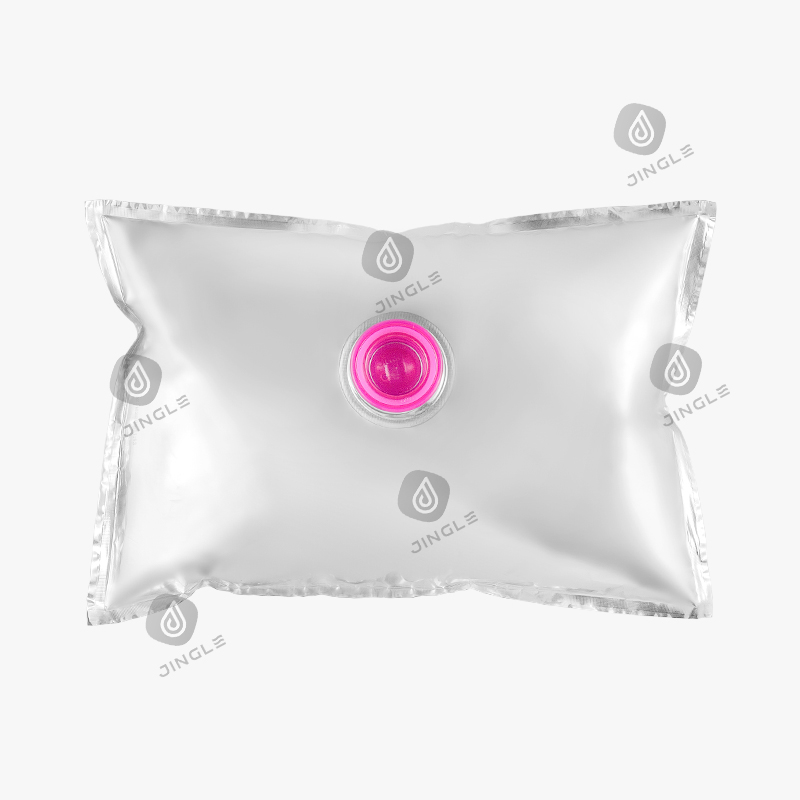
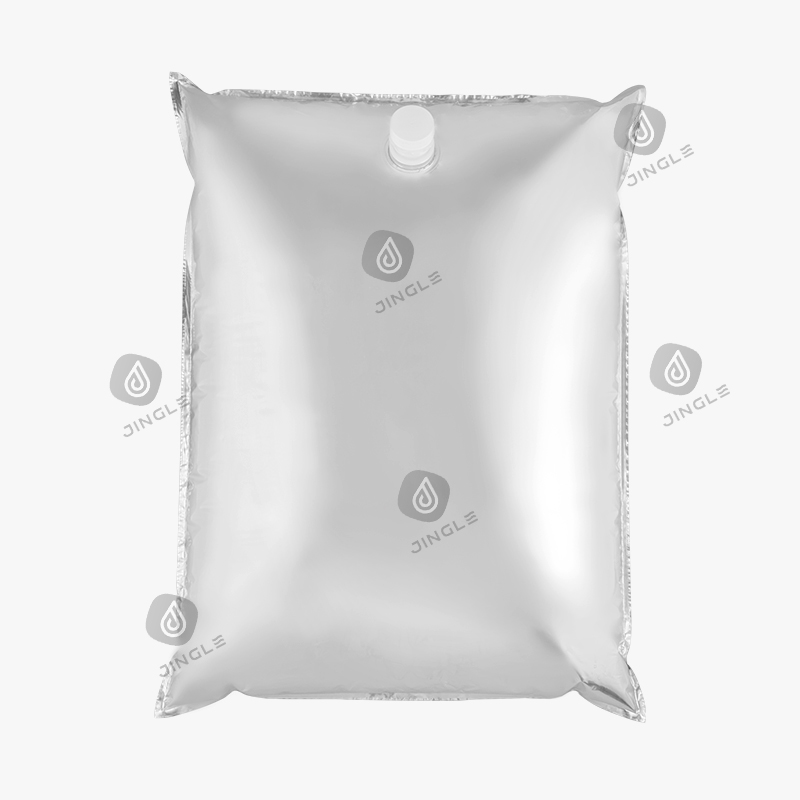
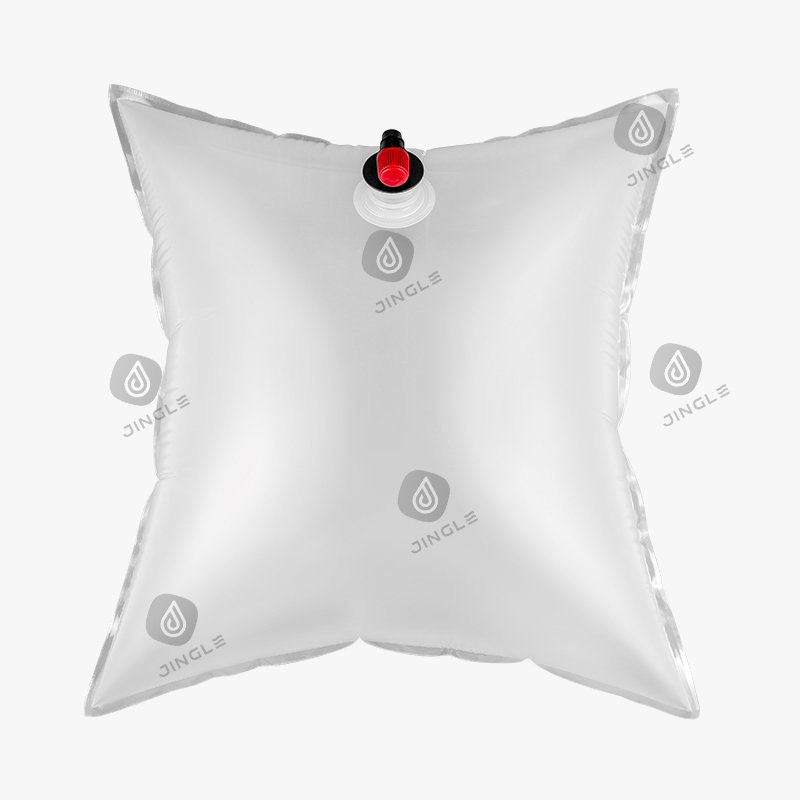
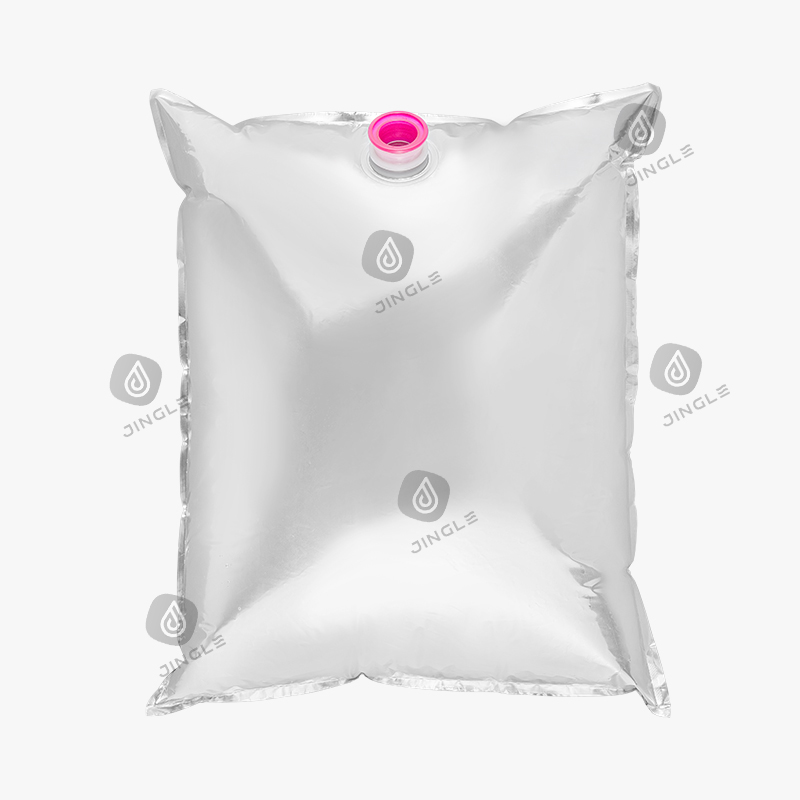
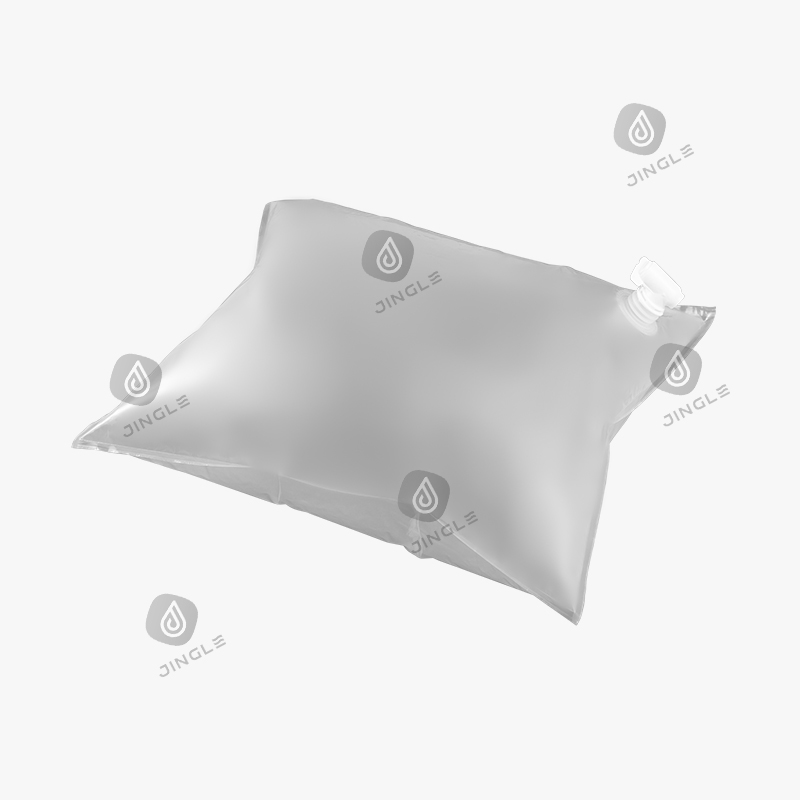
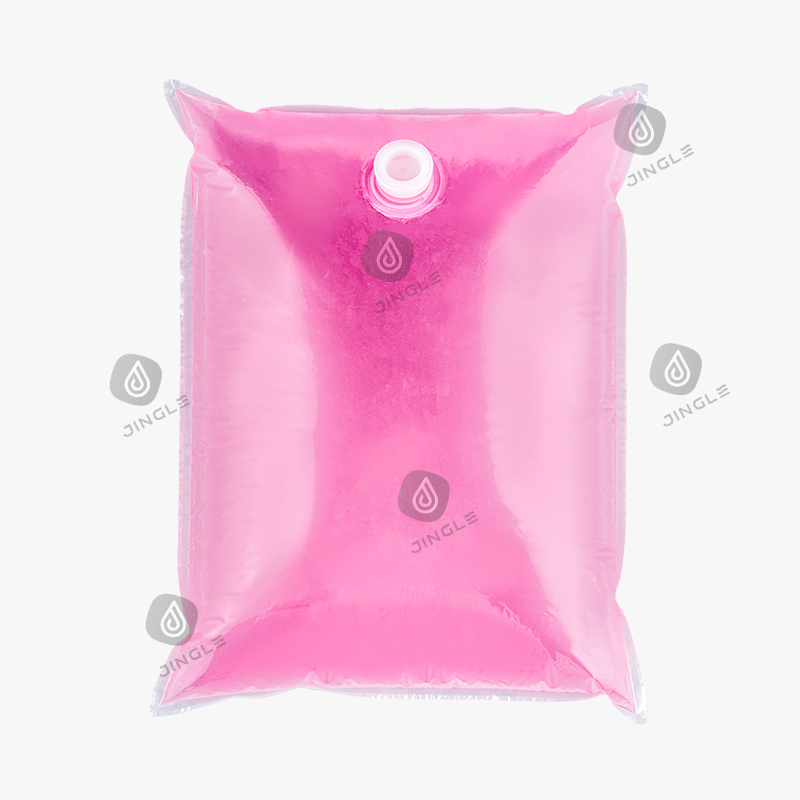
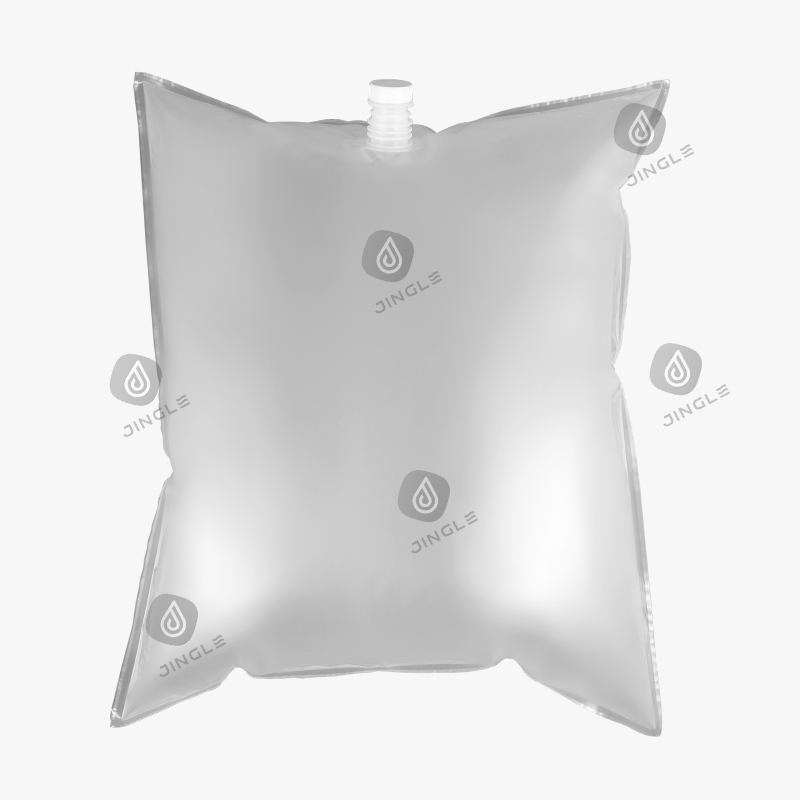
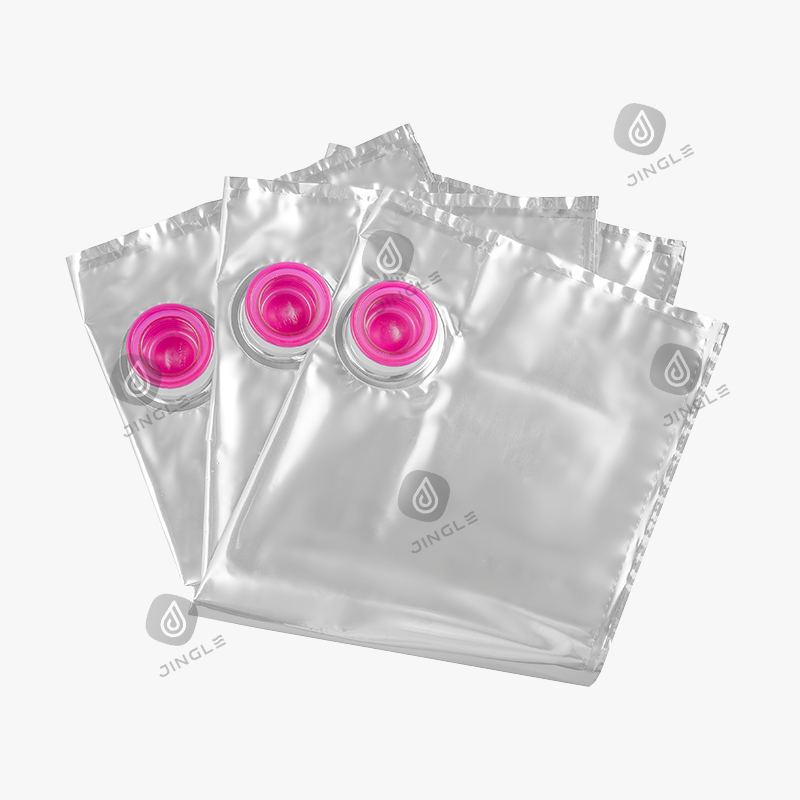
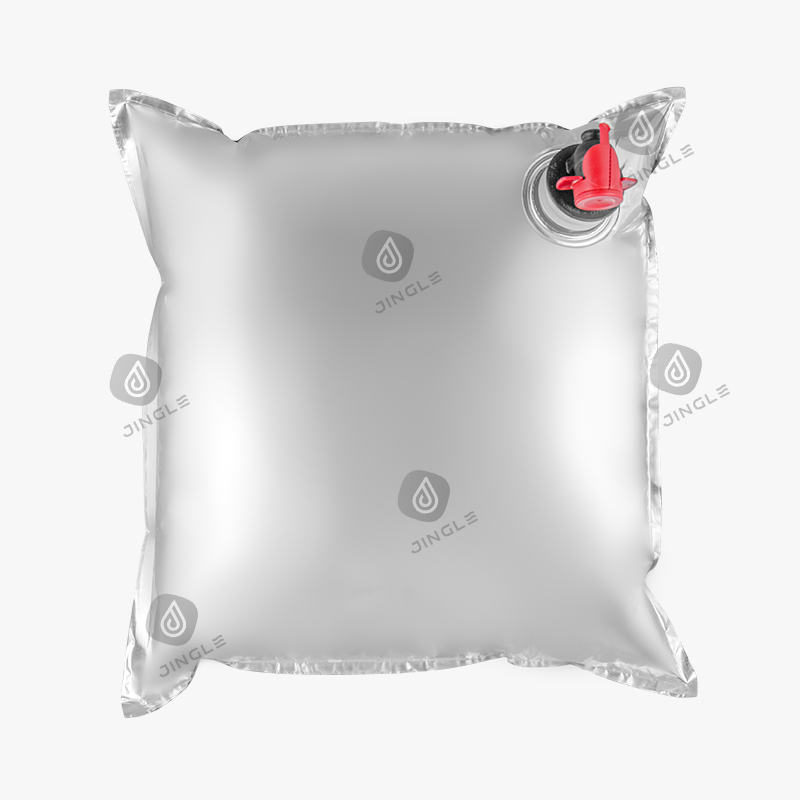
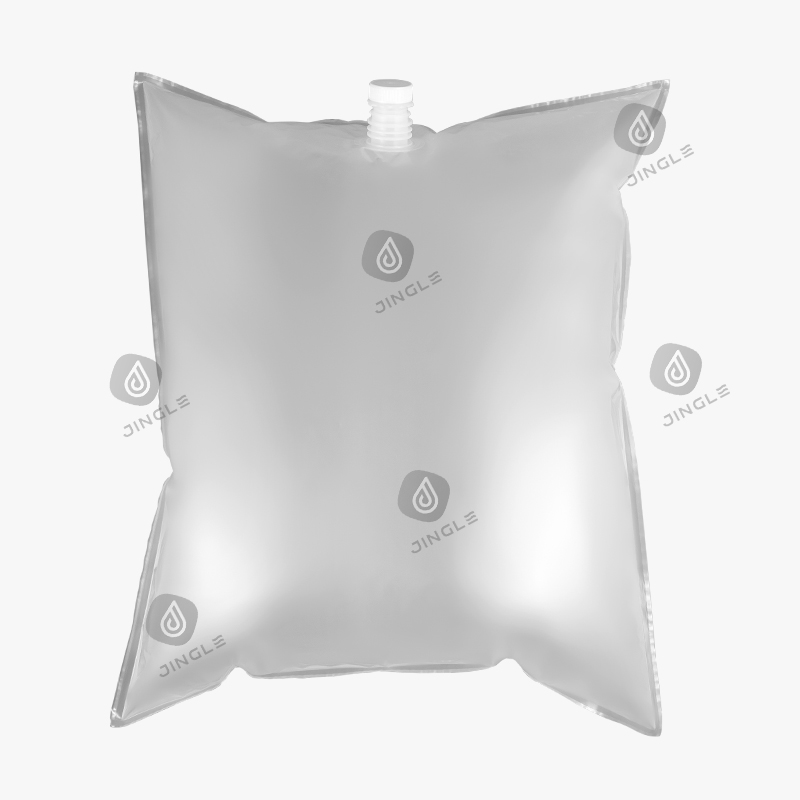
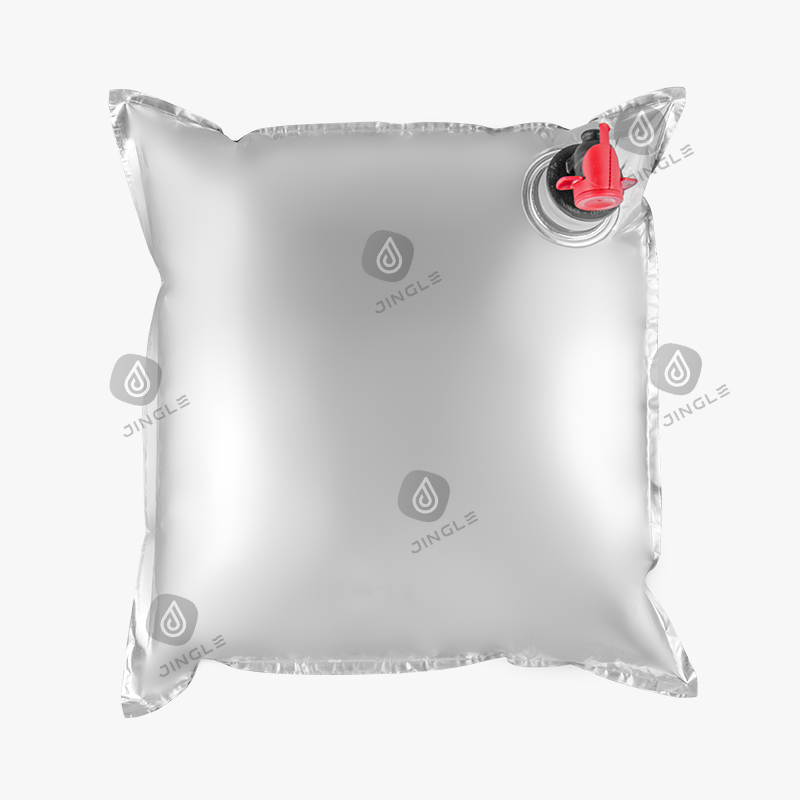
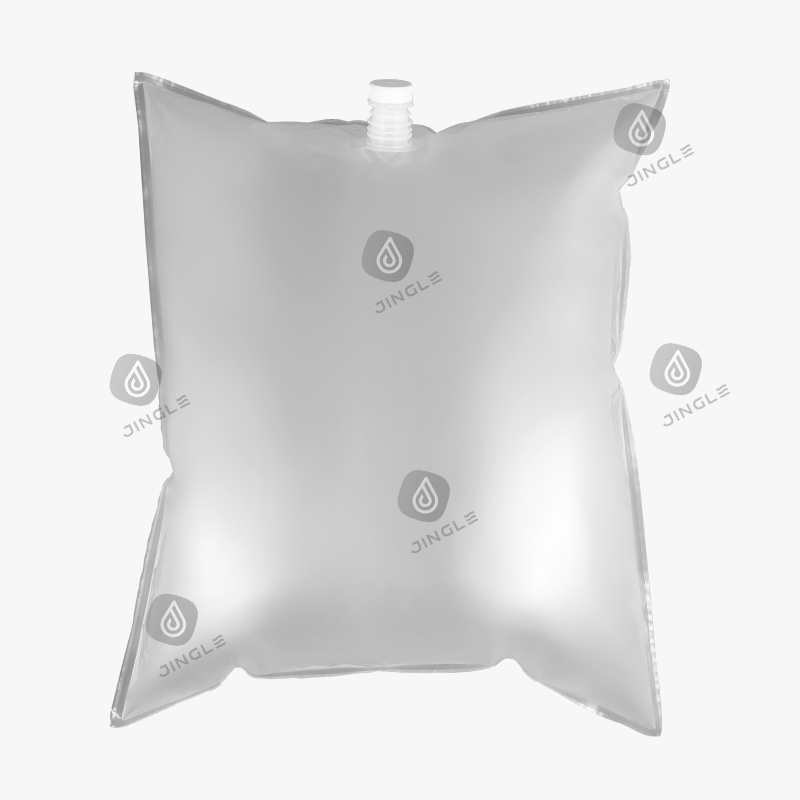
Liquid egg bag-in-box (BIB) packaging is an efficient, hygienic and safe packaging solution designed for the storage and transportation of liquid eggs. It is corrosion-resistant and puncture-resistant, ensuring that liquid eggs maintain their freshness and nutrients during transportation and storage. Bag-in-box packaging can effectively prevent the intrusion of oxygen, light and microorganisms, extend the shelf life of liquid eggs, and is convenient and environmentally friendly. When using liquid egg BIB packaging, you only need to open the box lid and connect the filling equipment for filling, eliminating complicated operating steps. The bag-in-box design also avoids the situation where residual liquid in the container is difficult to remove.

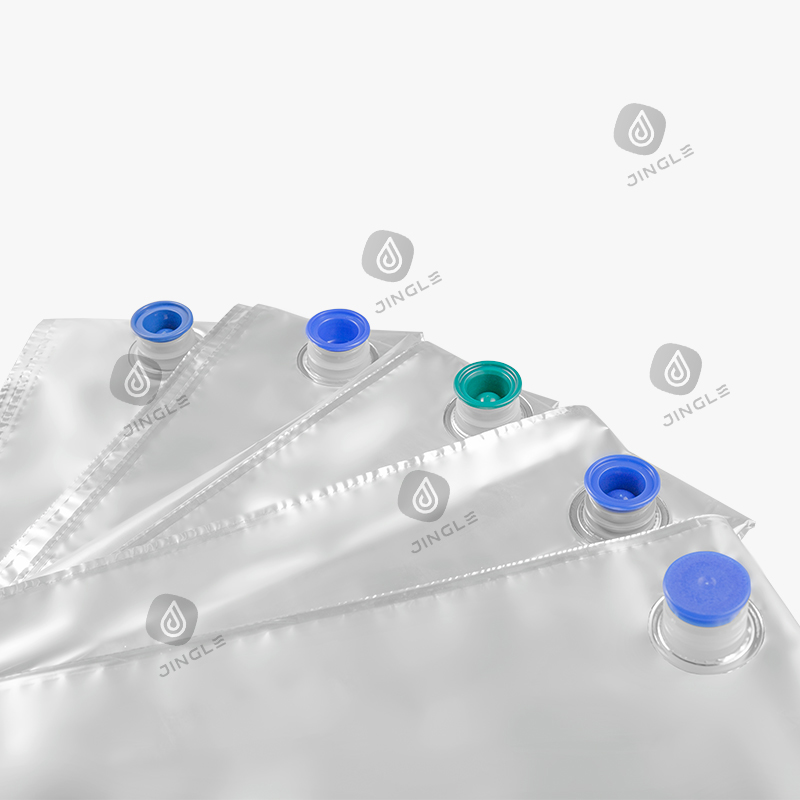
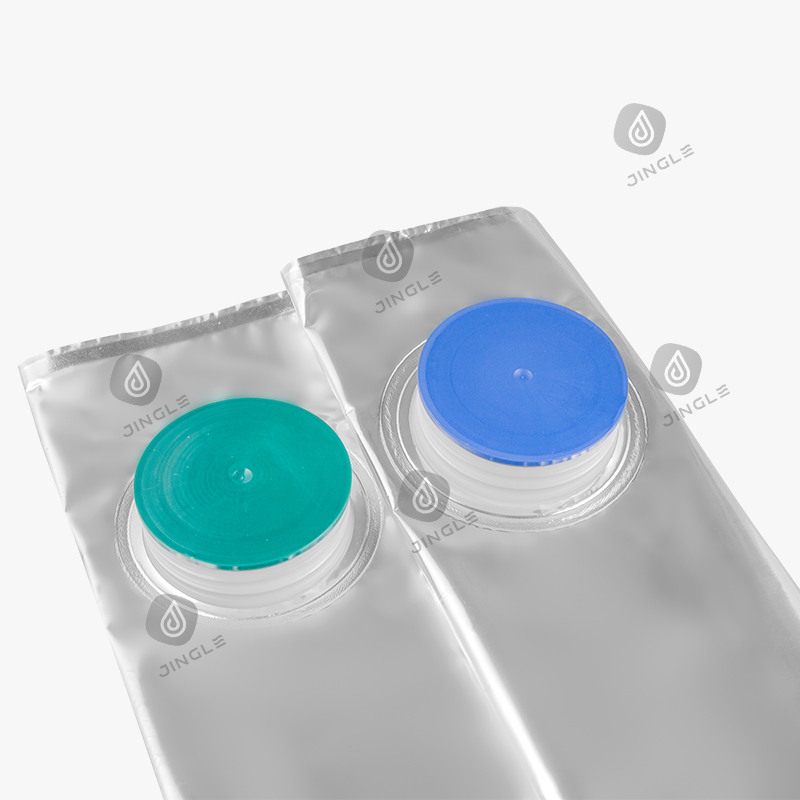
Suzhou Jingle Packaging Technology Co. Ltd. relies on advanced technology and rich industry experience to focus on providing customers with high-quality liquid egg bag-in-box packaging solutions. The bags in boxes we produce not only meet food safety standards, but can also be customized according to the specific requirements of customers, including different specifications of inner bag materials, capacity, valve design, etc.

Supporting Technologies

Liquid Egg BIB Packaging

Eggs are "closely related" to people's lives. Jingle BIB packaging is widely used by customers in the fields of egg white liquid, egg yolk liquid, and whole liquid egg.

Suzhou Jingle Packaging Technology Co., Ltd.
Product Overview

Liquid Egg BIB Packaging

Aseptic Bulk Packaging for Temperature-Sensitive Liquid Egg Products

12M Unopened Shelf Life
2-8°C Storage Temperature

Product Introduction

Liquid Egg Bag-In-Box (BIB) packaging is an aseptic bulk containment system designed for the storage, transport, and dispensing of pasteurized liquid whole eggs, egg whites, and egg yolks. The multi-layer inner bag incorporates high-barrier EVOH film combined with an aseptic filling process, enabling ambient or refrigerated storage of temperature-sensitive egg products with shelf lives extending to 12 months unopened. The collapsible bag structure prevents air re-entry during dispensing, reducing microbial contamination risk and oxidation of yolk lipids. Standard capacities range from 5 liters to 20 liters, serving food manufacturing facilities, commercial bakeries, hotel kitchens, and institutional foodservice operations where consistent liquid egg supply and portion-controlled dispensing are critical to production workflow and food safety compliance.

Core Advantages

01 Extended Ambient & Refrigerated Shelf Life
Aseptic filling combined with EVOH barrier film enables unopened shelf life of up to 12 months under refrigerated conditions (2–8°C) and 6–9 months at controlled ambient temperatures below 25°C, reducing cold chain dependency during distribution.
02 Microbial Contamination Prevention
The one-way dispensing tap and collapsible bag design eliminate air re-entry during product evacuation, maintaining aseptic conditions throughout the consumption cycle and reducing post-opening spoilage risk in protein-rich liquid egg media.
03 Precise Portion Control Dispensing
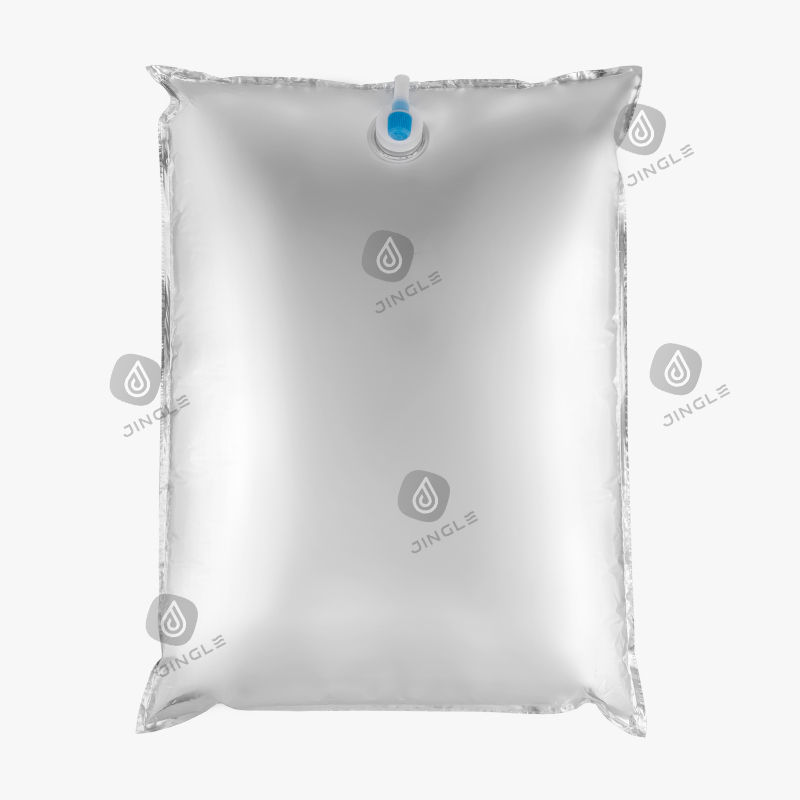
Integrated dispensing taps enable measured portioning with volume accuracy within ±2%, reducing product waste in commercial bakeries and food manufacturing where recipe consistency depends on precise liquid egg quantities.
04 Operational Efficiency & Waste Reduction
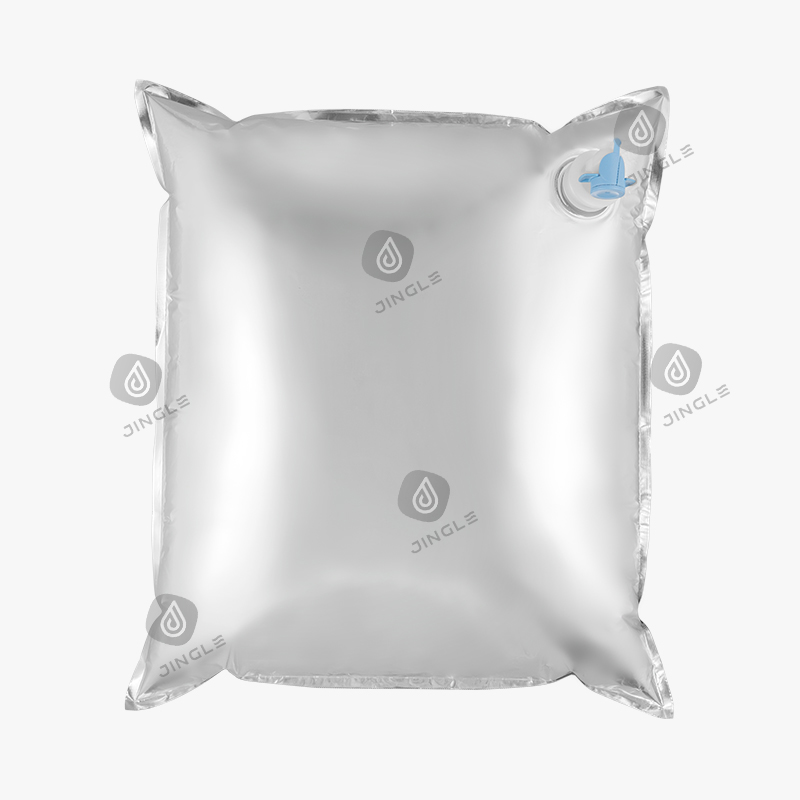
Near-complete product evacuation exceeding 99% eliminates residual egg product waste in packaging. Empty BIB units are compact and lightweight compared to rigid pails or buckets, reducing storage space and disposal volume in commercial kitchens.

Product Specifications

Parameter
Specification
Inner Bag Film
EVOH/PE co-extruded multilayer structure with aseptic barrier properties (total thickness 100–130 µm)
Outer Carton
Double-wall corrugated fiberboard with moisture-resistant coating for cold storage environments
Capacity Range
5L, 10L, 15L, 20L for liquid whole egg; 10L and 20L for separated egg whites and yolks
Tap/Fitment Type
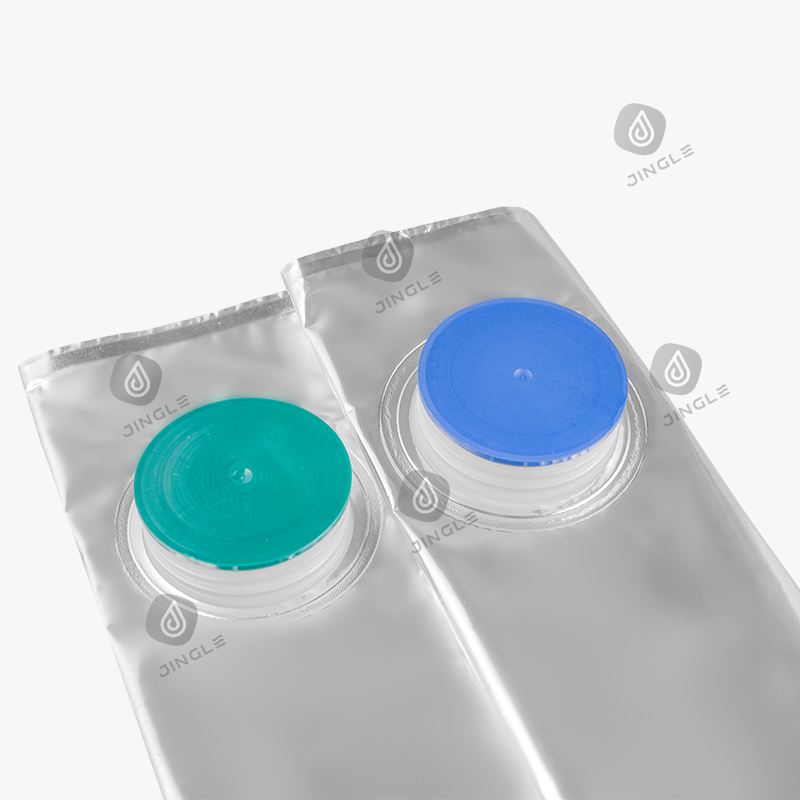
Aseptic one-way valve or standard dispensing tap with silicone seal; 25mm spout compatible with automated filling lines
Filling Process
Aseptic filling required; UHT pasteurization at 64–66°C for 2–4 minutes prior to bag filling in sterile environment
Storage Temperature
2–8°C for refrigerated storage; ambient storage up to 25°C for aseptically filled products (unopened)
Post-Opening Shelf Life
3–5 days under continuous refrigeration at 2–4°C with tap properly closed between uses

Application Scenarios

01
Commercial Bakeries Bulk liquid whole egg supply for bread, cake, and pastry production lines with automated dispensing integration.
02
Hotel & Restaurant Kitchens Portion-controlled egg dispensing for breakfast service, omelet stations, and banquet preparation.
03
Food Manufacturing Ingredient supply of liquid egg whites and yolks for mayonnaise, pasta, and prepared food production.
04
Institutional Catering Schools, hospitals, and military facilities requiring consistent liquid egg access without shell egg handling.
05
Dessert & Confectionery Production Precise liquid egg white dispensing for meringue, mousse, and aerated confectionery manufacturing.
06
Emergency Food Reserves Long-shelf-life aseptic liquid egg storage for disaster relief and remote location food supply chains.

Technical Considerations & Handling Protocols

Aseptic Filling Requirements

Liquid egg BIB filling requires validated aseptic processing equipment with spout sterilization capability. The filling environment must maintain ISO Class 5 cleanliness standards. Bag spouts should undergo hydrogen peroxide or peracetic acid sterilization immediately prior to filling to ensure commercial sterility of the packaged product.

Temperature Control During Storage

Maintain continuous cold chain at 2–8°C for pasteurized liquid egg products. Temperature fluctuations exceeding 5°C within 24 hours may cause condensation inside the carton, potentially weakening corrugated fiberboard strength. For aseptically filled products stored at ambient temperature, keep storage area below 25°C and away from direct heat sources.

Protein Adhesion & Flow Management

Liquid egg white exhibits viscosity of 5–10 cP at 20°C, while liquid whole egg ranges from 8–15 cP. Specify tap orifice diameters of 10–12mm for consistent flow rates. Egg protein residues can adhere to tap surfaces; flush tap exterior with warm water after each dispensing session to prevent bacterial growth on residual protein film.

Shelf Life Monitoring

Implement first-expiry-first-out (FEFO) inventory rotation for liquid egg BIB units. Unopened aseptic BIB achieves 12 months at 2–8°C and 6–9 months at ambient below 25°C. Once opened, product should be used within 3–5 days under continuous refrigeration. Label each BIB unit with production date and recommended use-by date for traceability.

Common Questions & Solutions

Q1
Off-odor develops within 48 hours after opening Solution: Verify storage temperature remains at or below 4°C after opening. Liquid egg supports rapid bacterial growth above 8°C. Check that the tap is fully closed between uses and that the tap nozzle has not contacted contaminated surfaces. Implement a cleaning protocol for tap exterior using food-grade sanitizer before each dispensing session.
Q2
Liquid egg white becomes watery with reduced foaming capacity Solution: This indicates protein degradation from temperature abuse during storage or transport. Verify cold chain integrity throughout distribution. For aseptic products stored at ambient temperature, confirm storage has not exceeded 25°C. Once protein denaturation occurs, foaming and gelling properties cannot be restored; discard affected product.
Q3
Bag fails to collapse evenly during dispensing Solution: Check that carton ventilation holes are not obstructed by stacking or moisture-sealing tape. The bag requires air entry into the carton void space to collapse. For refrigerated storage, confirm that condensation has not blocked ventilation perforations. If box shows signs of moisture softening, relocate to a drier storage area.
Q4
Color change in liquid whole egg during storage Solution: Gradual darkening from bright yellow to brownish-yellow indicates lipid oxidation of yolk fats. Verify oxygen barrier specification of the bag film. For products stored beyond 6 months, ensure EVOH layer thickness is at least 12 µm. Storage temperature above 8°C accelerates yolk lipid oxidation regardless of barrier performance.

Disposal & Food Safety Compliance

Carton recycling: Corrugated box is recyclable through standard paper recovery streams. Remove plastic bag and tap before placing carton in paper recycling.
Bag disposal: Rinse bag thoroughly to remove protein residues before disposal. Multi-layer films require industrial plastic recycling programs; check local facility acceptance.
Regulatory compliance: Food-contact layers comply with FDA 21 CFR 177.1520 and EU Regulation 10/2011. Aseptic filling process must meet FDA 21 CFR Part 113 for low-acid canned foods or equivalent regional standards.
Suzhou Jingle Packaging Technology Co. Ltd.

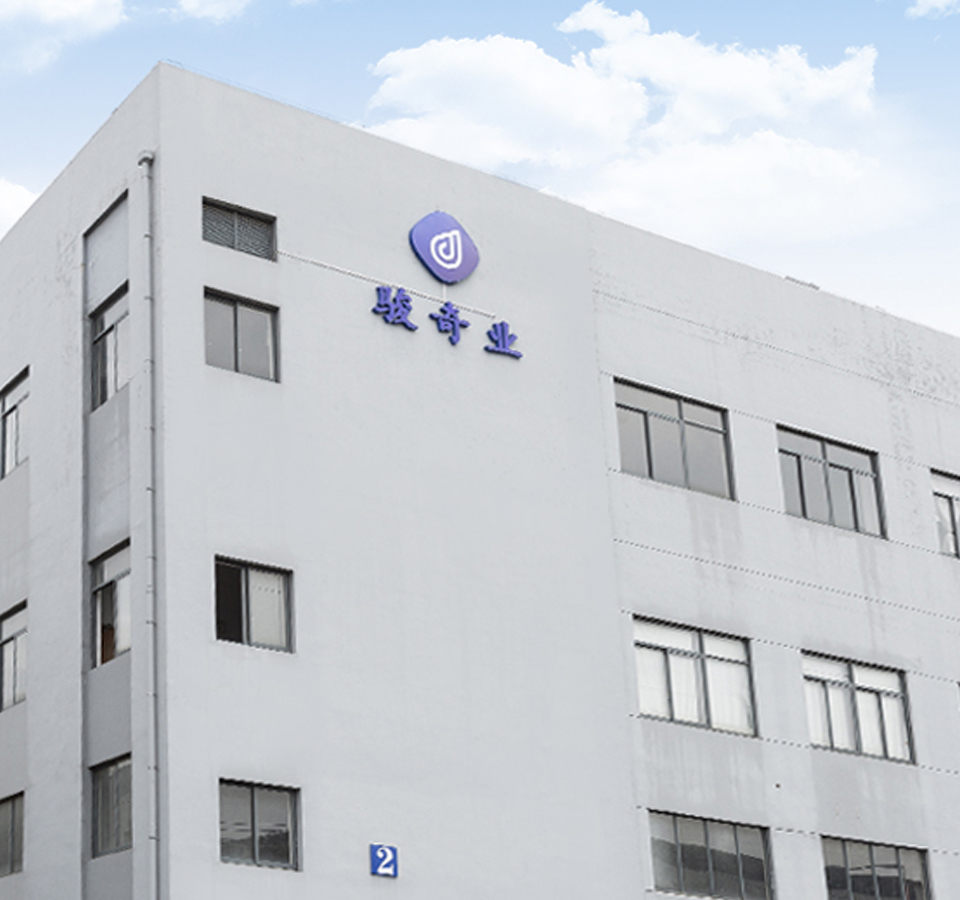
The company is located at No. 758, Longqiao Road, Wujiang Economic Development Zone, Suzhou, about 5 minutes' drive from the G15W Wujiang South Expressway Exit. The company is committed to providing high-quality products and all-round solutions to domestic and foreign customers, and actively exploring new markets with customers.
We are China Liquid Egg Bag-In-Box(BIB) Packaging Suppliers and Wholesale Liquid Egg Bag-In-Box(BIB) Packaging Company. The company has an advanced bag-in-box production line designed independently, which can produce products of various specifications according to customer requirements to meet customer supply needs.
It mainly develops and produces liquid flexible packaging products suitable for storing food, beverages, and non-food fields, as well as related supporting filling equipment, sells the products produced by the company, and provides corresponding after-sales services.

Suzhou Jingle Packaging Technology Co., Ltd.
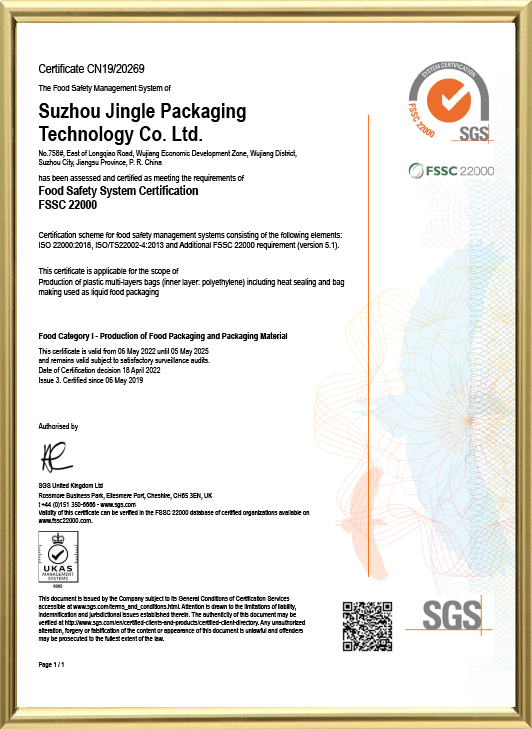
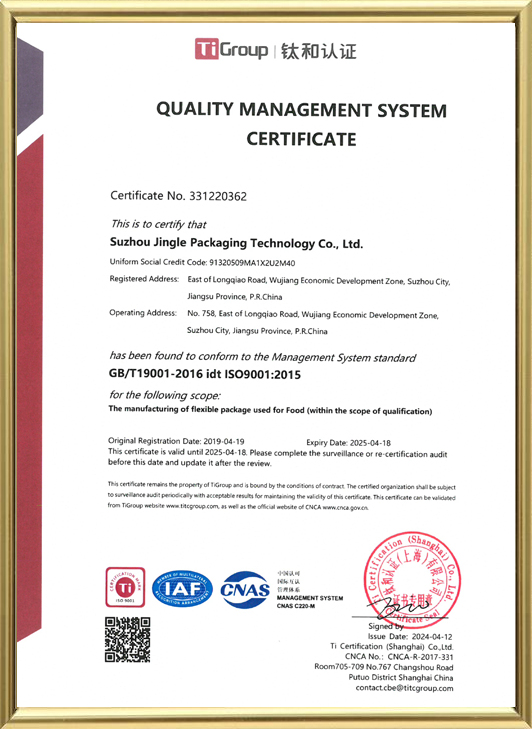
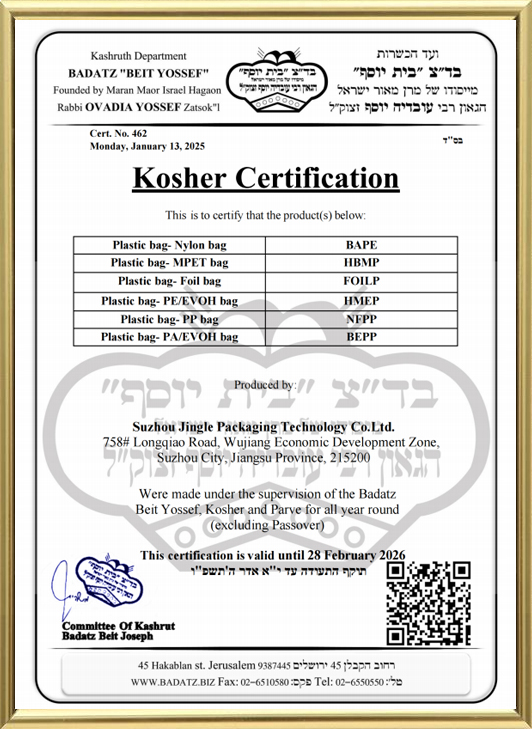
Certificate Of Honor
  • SGS
  • Quality Management System Certificate
  • Kosher Certification
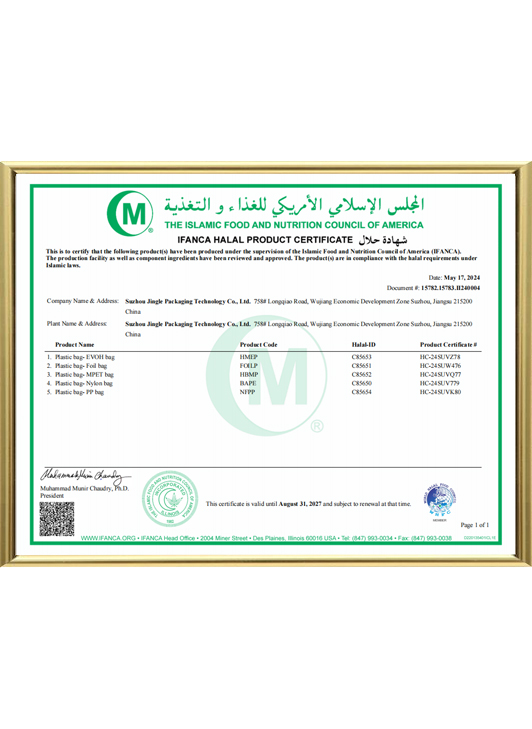
  • The Islamic Food And Nutrition Council Of America
News Center
Message Feedback
BIB packaging For Liquid Egg Industry knowledge

What factors affect the shelf life of liquid eggs in BIB packaging? How can manufacturers of BIB packaging for liquid egg packaging optimize packaging design to extend the shelf life?

In the food industry, liquid eggs are an important food raw material, and their shelf life is closely related to packaging technology. Bag-In-Box (BIB), as an efficient and economical packaging form, plays an important role in the storage and transportation of liquid eggs. However, the shelf life of liquid eggs in BIB packaging is affected by many factors, including the characteristics of the packaging material itself, as well as external environmental conditions and details in the product handling process. As a manufacturer focused on providing high-quality products and comprehensive solutions, our company has more than 15 years of industry experience in the field of BIB packaging, and is committed to optimizing packaging design through technological innovation and strict quality control processes to extend the shelf life of liquid eggs.
1. Factors affecting the shelf life of liquid eggs in BIB packaging
The barrier properties of BIB packaging are one of the key factors that determine the shelf life of liquid eggs. Oxygen, moisture and light are the main external factors that affect food quality. For liquid eggs, oxygen will accelerate the oxidation process, resulting in a decline in quality; moisture may affect the product humidity through the penetration of packaging materials; and light may trigger photochemical reactions and destroy nutrients. Therefore, it is crucial to choose packaging materials with high barrier properties.
The sealing of the packaging directly affects the preservation effect of the product. If the seal is not tight, external air and microorganisms may enter the interior of the package, causing the liquid eggs to deteriorate. Our company uses advanced sealing technology to ensure that the sealing of each BIB package meets the highest standards and effectively prevents external contamination.
Storage and transportation conditions such as temperature, humidity and vibration are also important factors affecting the shelf life of liquid eggs. Too high or too low temperatures may accelerate the deterioration of the product; too high humidity may increase the humidity inside the package and affect the product quality; and vibration may destroy the integrity of the package.
The sanitation of liquid eggs during filling, sealing and other processing processes also has an important impact on the shelf life. Contamination at any stage may cause the product to deteriorate. Our company strictly adheres to food safety standards to ensure that the sanitation of the entire production process reaches the highest level.
2. Strategies for optimizing BIB packaging design to extend the shelf life of liquid eggs
In view of the characteristics of liquid eggs, our company provides a variety of BIB packaging materials, including ordinary BIB packaging, standard barrier BIB packaging, high barrier BIB packaging and ultra-high barrier BIB packaging. These materials have different barrier properties and can be flexibly matched according to customer needs to better protect the product. In particular, ultra-high barrier BIB packaging has excellent barrier properties and can effectively isolate oxygen, moisture and light, significantly extending the shelf life of liquid eggs.
Our company uses advanced heat sealing technology and sealing testing equipment to ensure that the sealing of each BIB package is in the best state. By optimizing heat sealing parameters and sealing structure design, we can effectively prevent the intrusion of external air and microorganisms, thereby extending the shelf life of liquid eggs.
Our company provides customers with detailed storage and transportation guidelines, and recommends customers to store and transport liquid eggs under suitable temperature and humidity conditions. At the same time, we also provide packaging solutions with good seismic performance to reduce the impact of vibration on products during transportation.
Our company pays attention to hygiene control during the production process. From raw material procurement to finished product delivery, every link strictly abides by food safety standards. We use advanced filling and sealing equipment to ensure the highest level of hygiene during product handling. In addition, we regularly conduct food safety training for employees to improve their hygiene awareness and operational skills.
In order to further improve the shelf life and safety of liquid eggs, our company is actively exploring the application of intelligent packaging technology. For example, by introducing intelligent components such as time-temperature indicators (TTI) and gas sensors, we can monitor the environmental conditions inside the package in real time, and promptly detect and deal with potential quality problems.
The shelf life of liquid eggs in BIB packaging is affected by many factors, but by selecting high-performance barrier materials, enhancing the sealing of packaging, optimizing storage and transportation conditions, strengthening hygiene control during product handling, and introducing intelligent packaging technology, we can effectively extend its shelf life. As a BIB packaging manufacturer with rich industry experience and advanced technology, our company is committed to providing customers with high-quality products and comprehensive solutions to meet market needs and promote industry development.