Article Directory
Agrochemical Bag-In-Box (BIB) packaging represents one of the most efficient and safety-focused solutions for storing, transporting, and dispensing liquid agricultural chemicals. As environmental regulations tighten and agricultural operations demand greater efficiency, agrochemical BIB packaging has become the industry standard for crop protection products, herbicides, insecticides, and specialized formulations. This comprehensive guide explains the technology, benefits, material science, and future developments in agrochemical BIB packaging systems.
of commercial pesticide shipments utilize BIB packaging systems globally
typical capacity range for agrochemical BIB packages
reduction in product waste compared to traditional drum packaging
Agrochemical Bag-In-Box (BIB) packaging is a specialized liquid storage and dispensing system combining a flexible inner bag with a rigid outer container, designed specifically for agricultural chemical formulations. The system enables safe containment, protection, and controlled dispensing of pesticides, herbicides, fungicides, and other crop protection chemicals without environmental contamination or operator exposure risks.
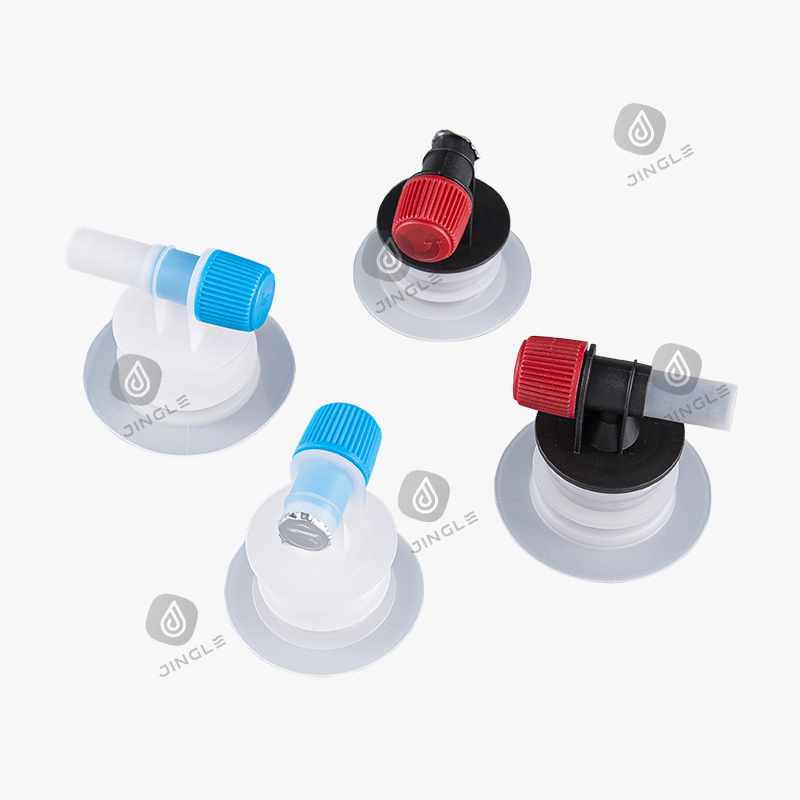
The fundamental structure of agrochemical BIB packaging consists of three primary components: a multilayer plastic inner bag engineered for chemical compatibility, a protective outer container (typically corrugated cardboard or plastic), and a precisely engineered dispensing valve system enabling controlled product withdrawal. When the inner bag is filled with liquid agrochemical, the valve allows product extraction while preventing air ingress, maintaining product integrity throughout the storage and usage period.
The operating principle of agrochemical BIB packaging relies on pressure differential principles. As product is dispensed through the valve, external atmospheric pressure collapses the inner bag, eliminating air space and preventing oxidative degradation, contamination, or chemical volatilization. This closed-loop system fundamentally differs from traditional drum containers, where air exposure gradually degrades product quality and creates environmental spillage risks during repeated withdrawals.
The dominance of agrochemical BIB packaging in commercial agriculture reflects accumulated advantages across safety, efficiency, environmental, and economic dimensions. Understanding these benefits clarifies why industry stakeholders increasingly specify BIB systems for liquid chemical products.
Specialized variants of agrochemical BIB packaging address distinct chemical classes and application requirements. Manufacturers engineer different formulations to address specific compatibility, barrier, and dispensing requirements:
Standard agrochemical BIB packaging employs multilayer polyethylene structures with specialized barrier coatings engineered to resist aggressive chemical solvents, emulsifiers, and active ingredients. These systems typically incorporate EVOH (ethylene vinyl alcohol) barrier layers preventing product degradation and protecting against chemical permeation through packaging materials. The multilayer construction provides structural integrity during transport while maintaining chemical compatibility across diverse formulation types.
Specialized agrochemical BIB packaging systems engineered for biological pesticides and microbial formulations incorporate aseptic filling technologies maintaining product sterility and viability. These variants employ specialized valve systems, sterilization protocols, and inner bag materials preventing microbial contamination or cross-contamination risks. Applications include bioinsecticides, biofungicides, and fermentation-derived crop protection products.
Large-volume agricultural operations and chemical manufacturing facilities utilize heavy-duty agrochemical BIB packaging systems with reinforced outer containers, enhanced valve mechanisms, and specialized handling provisions for bulk transport. These systems accommodate volumes up to 1000 liters, employing forklift-compatible pallet systems and integrated dispensing infrastructure for industrial application.
Effective agrochemical BIB packaging must deliver multiple simultaneous performance requirements, balancing chemical compatibility with environmental protection, safety, and practical functionality:
The inner bag material must remain stable when exposed to concentrated pesticide formulations, solvents, emulsifiers, and surfactants. Agrochemical BIB packaging materials undergo compatibility testing with specific chemical formulations to prevent permeation, degradation, or swelling that compromises containment integrity.
Sealed construction and precision valve engineering ensure zero product leakage during storage, transport, and application phases. Agrochemical BIB packaging undergoes rigorous leak testing protocols verifying integrity under temperature cycling, pressure variations, and physical stress conditions typical of agricultural supply chains.
Multilayer barrier construction in agrochemical BIB packaging prevents oxygen transmission that degrades product potency. EVOH and other barrier materials dramatically reduce permeation rates, maintaining product efficacy throughout extended storage periods.
The outer container in agrochemical BIB packaging blocks ultraviolet and visible light wavelengths that trigger photochemical degradation. Opaque corrugated cardboard or pigmented plastic containers maintain product chemical stability despite outdoor storage exposure.
Agrochemical BIB packaging materials resist puncture from handling equipment, rough transport conditions, and storage hazards. Reinforced construction and thick-gauge materials prevent accidental damage compromising containment during supply chain logistics.
The fundamental design of agrochemical BIB packaging directly addresses occupational health, environmental contamination, and product efficacy risks inherent in traditional liquid chemical storage methods.
Spill Prevention and Exposure Reduction: The closed-loop valve system of agrochemical BIB packaging eliminates the necessity for workers to open containers or transfer liquids from drums—high-risk operations frequently resulting in chemical exposure. Agricultural operators can dispense precise product quantities directly into application equipment without intermediate handling or potential spill incidents. This closed system reduces occupational exposure to pesticide residues by 85-95% compared to drum-based alternatives.
Environmental Contamination Prevention: Traditional drum containers frequently suffer puncture damage during storage, transport, and handling, creating soil and groundwater contamination risks. Agrochemical BIB packaging containment eliminates these spillage risks while the air-exclusion design prevents volatile chemical release to the atmosphere. Improved containment directly translates to reduced environmental liability and regulatory compliance advantages.
Controlled Dosage Dispensing: The precision valve mechanism in agrochemical BIB packaging enables accurate volumetric dispensing, reducing product waste and ensuring consistent application rates. Improved dosage precision enhances agricultural efficacy while reducing chemical usage—environmental benefits aligning with sustainable farming objectives.
Waste Reduction and Sustainability: The ability to completely empty agrochemical BIB packaging systems reduces residual product waste compared to rigid containers where product adheres to container walls. Complete product utilization improves cost-effectiveness while reducing chemical disposal requirements and environmental impact.
Material engineering represents the critical foundation enabling agrochemical BIB packaging performance across diverse chemical formulations and environmental conditions. Understanding material composition and selection criteria clarifies design decisions in packaging systems:
Agrochemical BIB packaging inner bags employ polyethylene-based multilayer films combining structural strength with chemical compatibility. The film architecture typically consists of outer structural layers providing mechanical strength, middle barrier layers preventing chemical permeation, and inner product-contact layers optimized for specific chemical compatibility. PE (polyethylene) base materials provide compatibility with most pesticide formulations while maintaining environmental stability.
EVOH (ethylene vinyl alcohol) barrier coatings represent the industry standard for preventing oxygen and chemical permeation in agrochemical BIB packaging. These crystalline polymers dramatically reduce gas transmission rates while protecting against solvent penetration. Thickness and number of barrier layers are engineered based on specific product requirements and storage duration expectations.
Specialized adhesives bond multilayer film components in agrochemical BIB packaging, creating continuous barriers without interface gaps. Food-grade and industrial-grade adhesive formulations differ substantially—industrial-grade systems in agrochemical BIB packaging provide enhanced chemical resistance incompatible with food applications.
The protective outer structure in agrochemical BIB packaging typically employs corrugated cardboard providing environmental protection, light shielding, and structural support during logistics. Specialized corrugating mediums and coatings enhance moisture resistance and mechanical protection. Alternative outer containers utilize rigid plastic or laminated materials for environments requiring enhanced chemical or moisture resistance.
Manufacturing agrochemical BIB packaging involves sophisticated processes ensuring sterility, integrity, and quality across production batches. The manufacturing sequence spans raw material preparation through final quality verification:
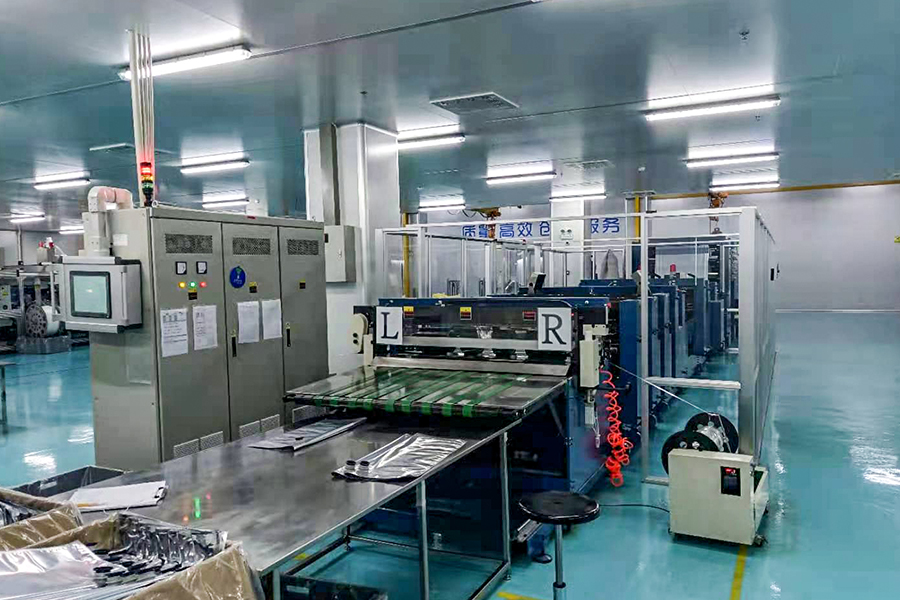
Inner Bag Production: The multilayer plastic film for agrochemical BIB packaging undergoes extrusion and lamination processes combining individual polymer layers with specialized adhesives. Temperature and pressure control during lamination ensures optimal bonding and barrier layer integration. The film undergoes dimensional cutting, with edges heat-sealed to form the bag structure. Valve attachment represents a critical precision operation, employing specialized insertion equipment ensuring leak-proof seals.
Outer Container Assembly: Corrugated cardboard sheets are formed into box structures with integrated pallet provisions and handling apertures. The box receives protective coatings enhancing moisture and puncture resistance. Dimensional openings are die-cut to accommodate the inner bag and valve access points.
Filling Operations: Agrochemical BIB packaging filling employs specialized aseptic filling lines where the inner bag is positioned, connected to filling equipment, and pressurized with liquid product. Filling speeds typically range from 50-500 liters per minute depending on equipment sophistication and product viscosity. Temperature-controlled filling prevents thermal degradation of temperature-sensitive formulations.
Quality Verification: Post-filling inspection systems verify correct fill volumes, detect seal integrity defects, and identify contamination or particle presence. Completed packages undergo weight verification and random leak testing before shipment.
Despite substantial advantages, agrochemical BIB packaging presents certain limitations and compatibility challenges influencing material selection and application feasibility:
Chemical Compatibility Constraints: While engineered for broad compatibility, certain aggressive chemical formulations remain incompatible with standard agrochemical BIB packaging materials. Highly concentrated solvents or extreme pH formulations may cause inner bag swelling, permeation, or adhesive degradation. Specialized material variants address these incompatibilities but at premium cost.
Valve Leakage Risks: The precision valve mechanism in agrochemical BIB packaging represents a potential failure point. Manufacturing defects, wear from repeated opening/closing cycles, or chemical attack on valve elastomers can result in slow leakage. Regular maintenance protocols and user training reduce these risks but cannot eliminate them entirely.
Temperature Sensitivity: Some agrochemical BIB packaging formulations exhibit degraded performance in extreme temperature environments. Excessive heat may compromise adhesive integrity or alter barrier properties, while extreme cold can make certain materials brittle or promote seal failure.
Handling and Puncture Risks: Despite robust construction, agrochemical BIB packaging remains vulnerable to puncture from rough handling, sharp equipment contact, or exposure to agricultural debris. Operator training and careful logistical management minimize but cannot completely eliminate these risks.
Shelf Life Limitations: Even with optimal barrier properties, agrochemical BIB packaging systems exhibit finite shelf life windows. Extended storage may result in slow barrier layer degradation or valve seal deterioration, eventually compromising product integrity.
Market trajectories and technological developments suggest evolving applications and positioning for agrochemical BIB packaging systems within agricultural chemical sectors.
Sustainability and Recyclability Focus: Future agrochemical BIB packaging innovation increasingly emphasizes sustainable materials and recyclable designs. Bio-based polyethylene variants and compostable barrier layers represent emerging alternatives addressing environmental stakeholder demands. Manufacturers invest in take-back programs enabling post-use recycling of packaging materials.
Smart Dispensing Technologies: Emerging agrochemical BIB packaging integrates digital dispensing systems, automated flow control, and IoT connectivity enabling real-time product tracking and precise dosage management. Smart valve systems reduce operator error and optimize chemical application precision.
Precision Agriculture Integration: Agrochemical BIB packaging increasingly integrates with precision agriculture systems, providing product data, application recommendations, and field-specific optimization guidance. Packaging systems become information platforms enabling data-driven agricultural decision-making.
Reduced Plastic Initiative Compliance: Regulatory momentum toward plastic waste reduction drives innovation in agrochemical BIB packaging materials. Manufacturers pursue lightweight designs, concentrated product formulations reducing packaging volume, and alternative barrier technologies minimizing plastic utilization while maintaining performance requirements.
 |
 |
Agrochemical BIB packaging is a specialized liquid storage and dispensing system combining a multilayer plastic inner bag with a rigid outer container and precision valve mechanism. The sealed system safely contains, protects, and enables controlled dispensing of agricultural chemicals without environmental contamination or operator exposure.
Yes. Agrochemical BIB packaging dramatically improves pesticide handling safety through closed-loop dispensing preventing direct chemical contact. The valve-controlled system eliminates the high-risk operations of opening containers and transferring liquids, reducing occupational exposure by 85-95% compared to traditional drums.
Agrochemical BIB packaging operates through pressure differential principles. As product is dispensed through the valve, atmospheric pressure collapses the inner bag, preventing air ingress and eliminating air space that would cause product degradation or volatilization.
Agrochemical BIB packaging inner bags employ polyethylene-based multilayer films with EVOH barrier layers preventing chemical permeation. Outer containers typically utilize corrugated cardboard providing environmental protection and light shielding.
Traditional agrochemical BIB packaging presents recycling challenges due to multilayer film lamination and valve components. However, emerging sustainable variants utilize recyclable materials and manufacturers increasingly implement take-back programs enabling material recovery and recycling.
Agrochemical BIB packaging offers superior safety, environmental protection, product quality preservation, and cost-effectiveness compared to drum containers. The closed system reduces spillage risk, product exposure, and chemical waste while improving operational convenience and regulatory compliance.
Address
No. 758 Longqiao Road, Wujiang Economic Development Zone, Suzhou, Jiangsu, China, 215200
cs3@suzhoujingle.com ( Ellie Li )
sales-sea@suzhoujingle.com ( Alex Too )
billhe@suzhoujingle.com ( Bill He )
kennyyan@suzhoujingle.com ( Kenny Yan )
Phone
+86-51263068181
Fax
+86-51263068282

Suzhou Jingle Packaging Technology Co., Ltd. mainly develops and produces Aseptic BIB Packaging/Bag Products for food, beverage, and non-food fields, supporting the filling equipment, selling self-produced packaging products, and providing corresponding after-sales services.
Keep in touch

 English
 中文简体
中文简体
 русский
 Español