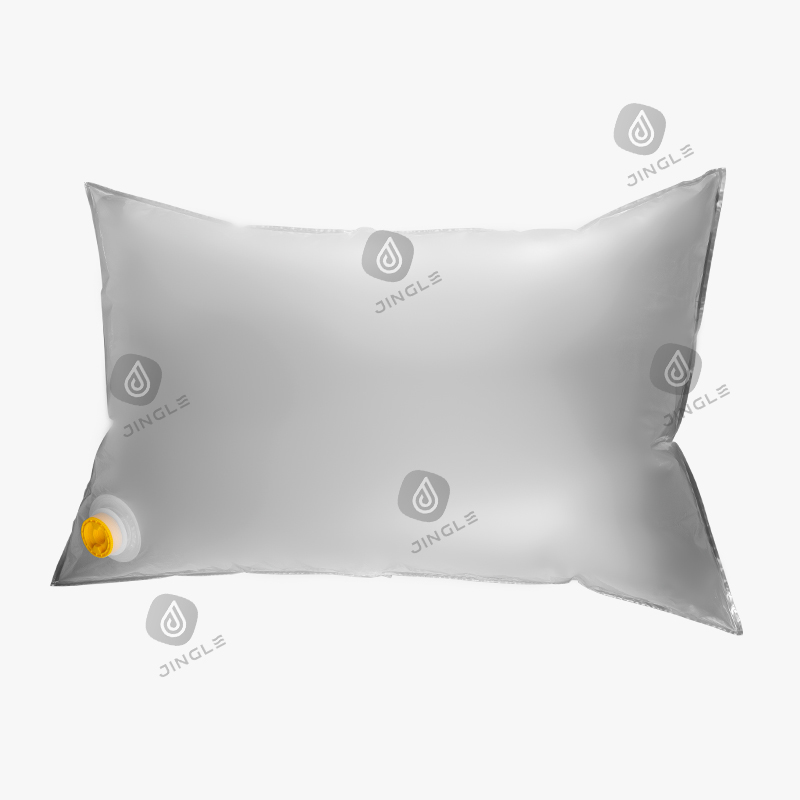
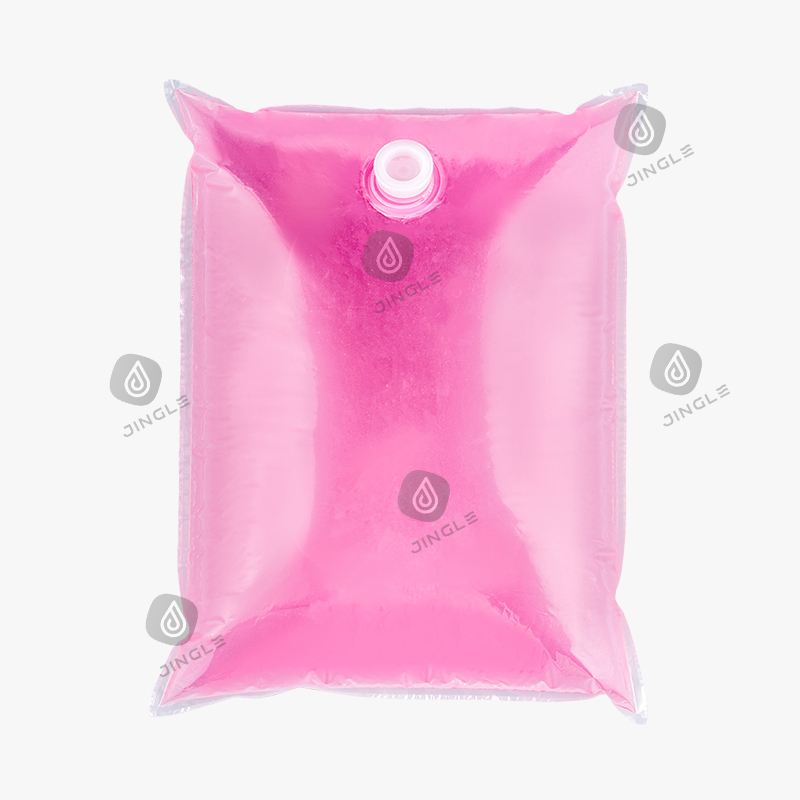
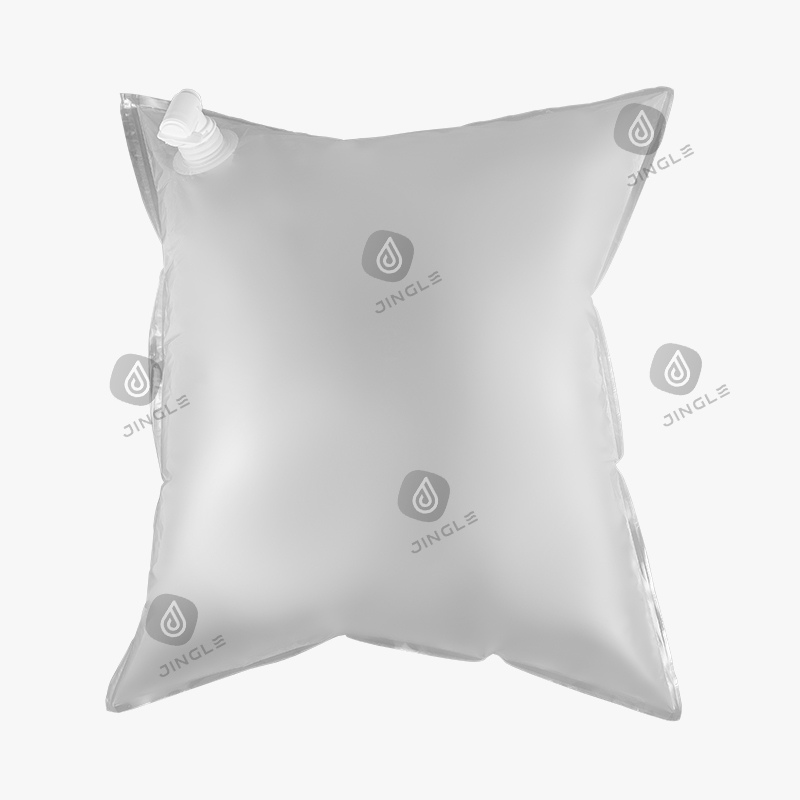
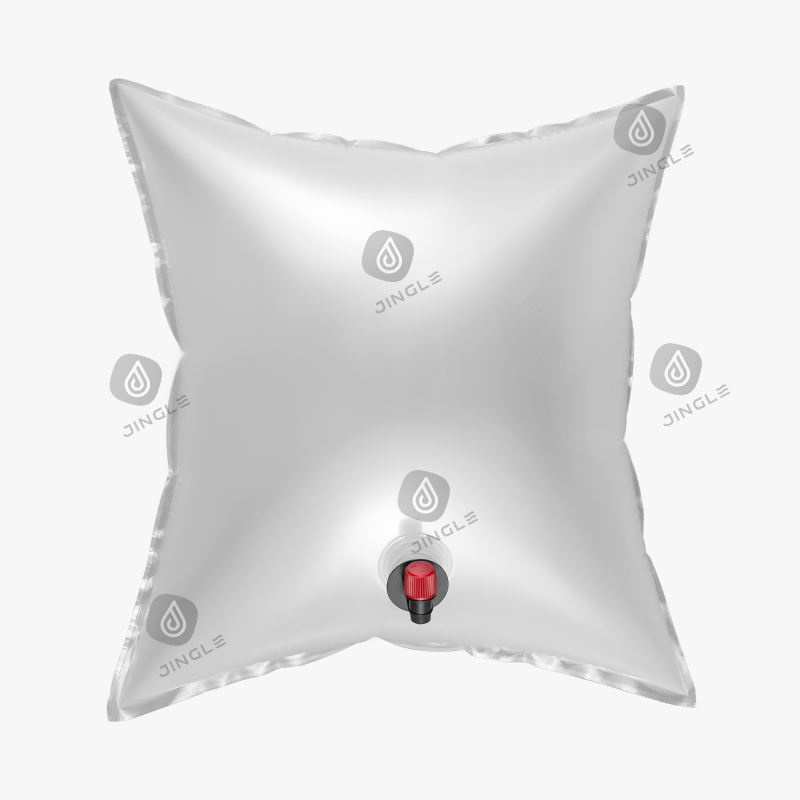
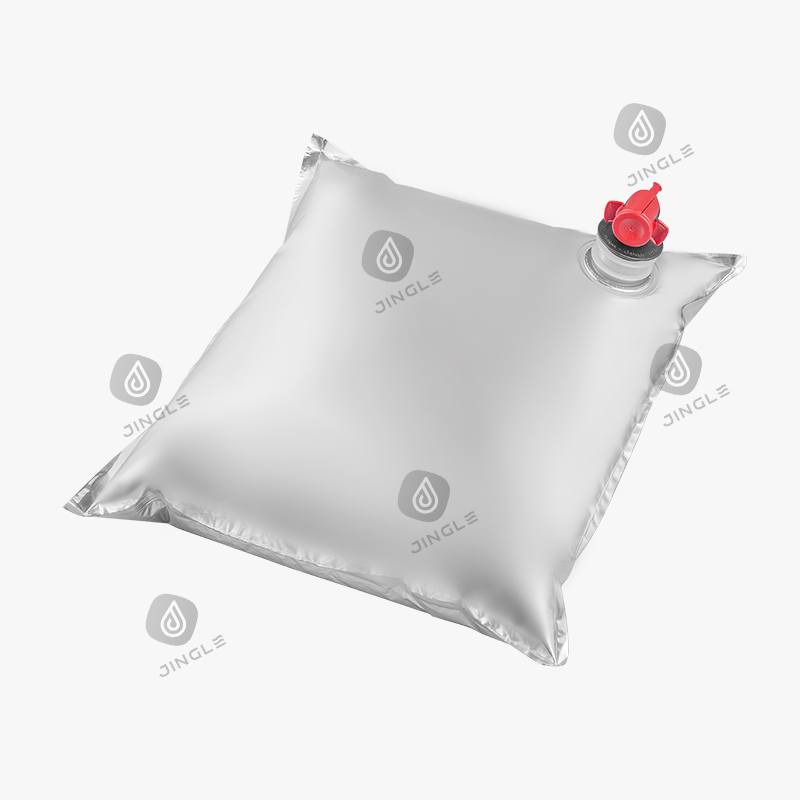
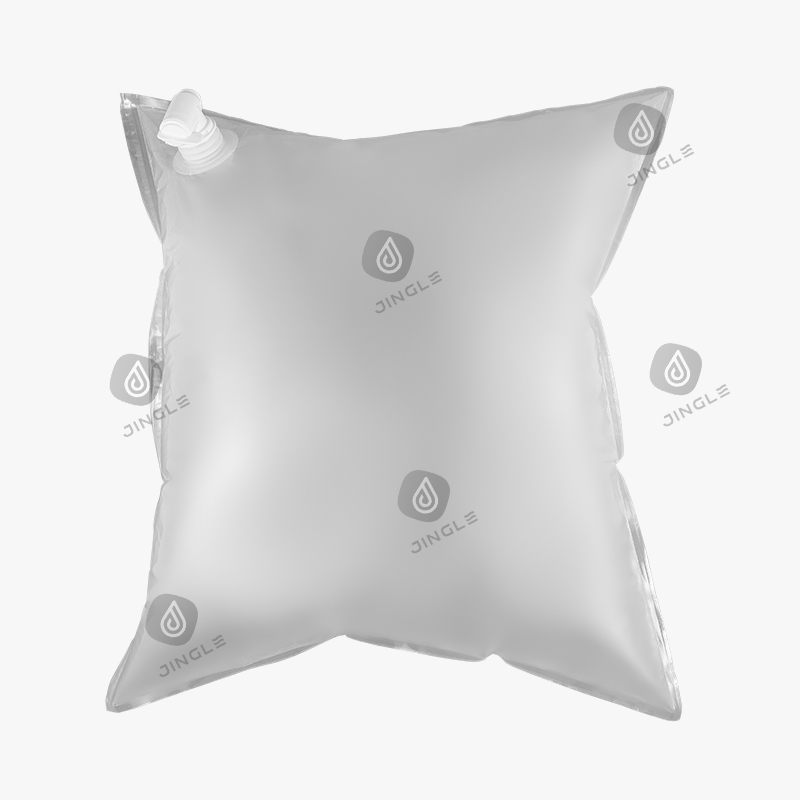
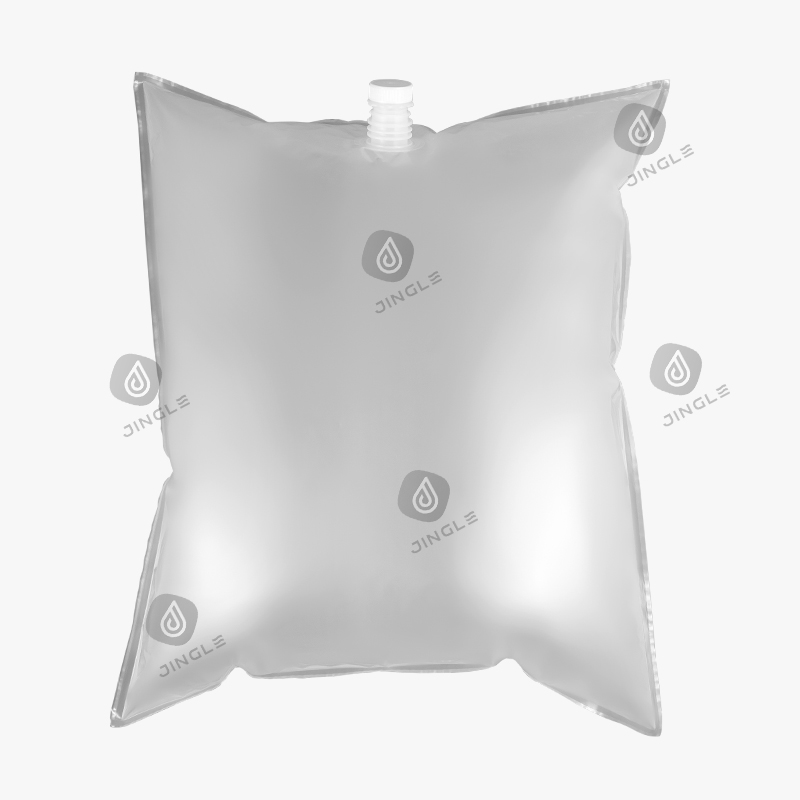
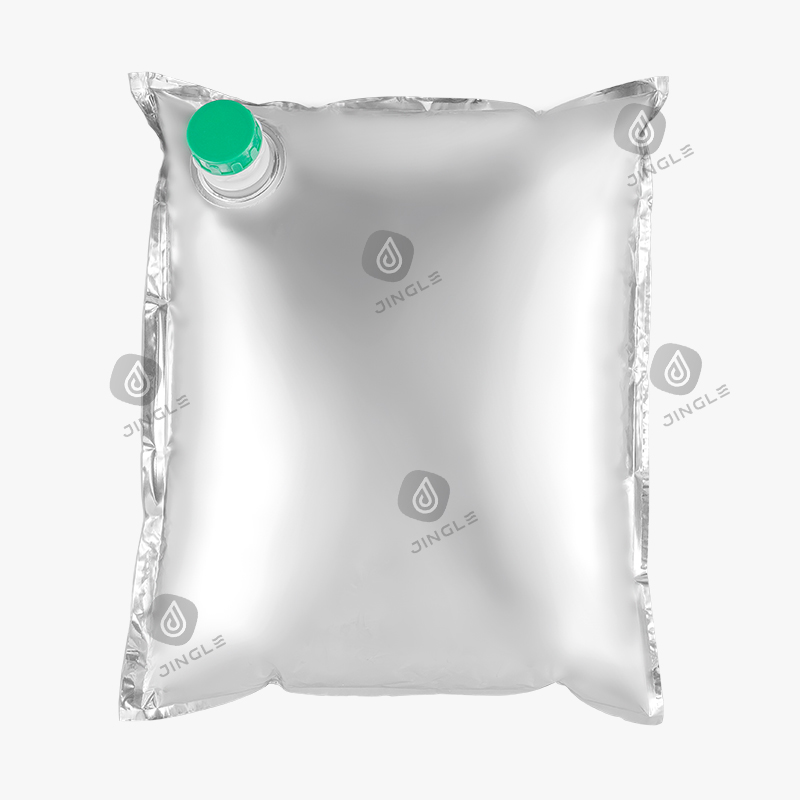
Agrochemical Bag-in-Box Packaging from a Dedicated Manufacturer
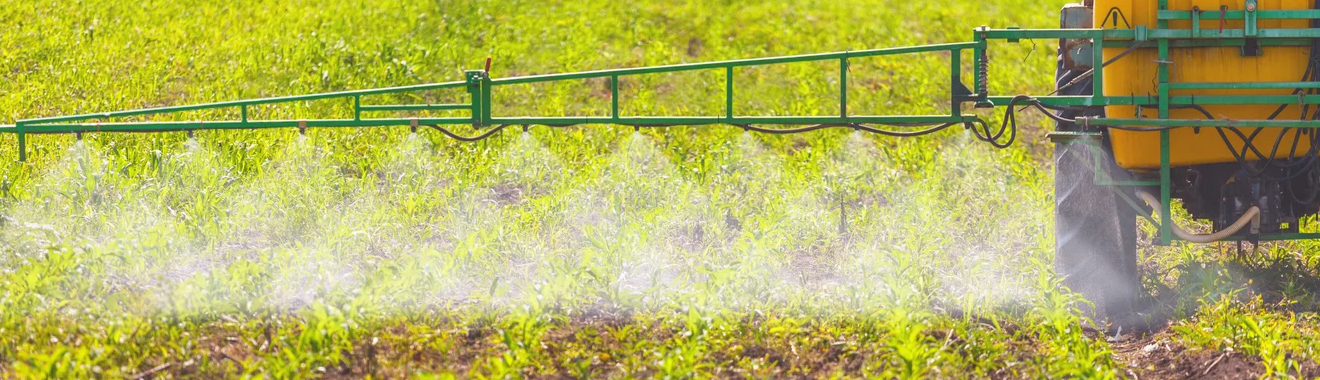
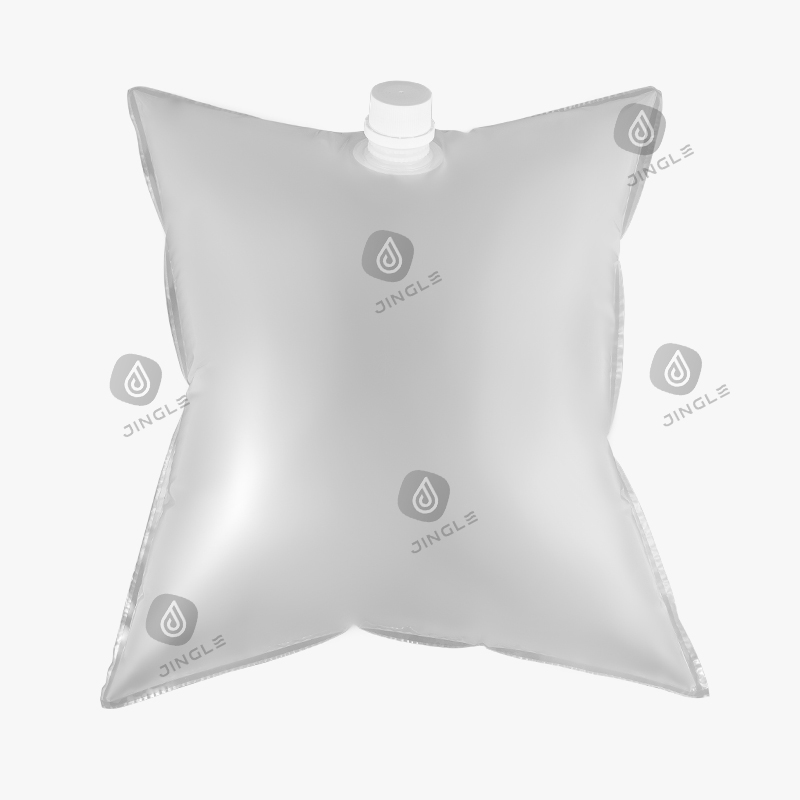
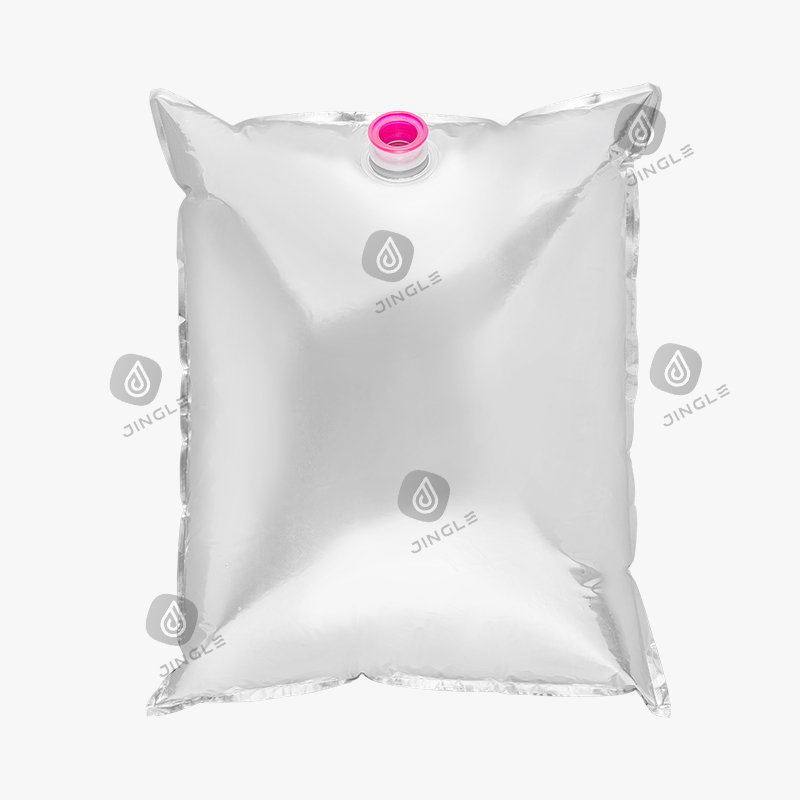
As a China-based Wholesale Agrochemical Bag-In-Box(BIB) Packaging Suppliers, Suzhou Jingle Packaging Technology Co., Ltd. designs and produces flexible liquid packaging for pesticides, fertilizers, herbicides, fungicides, and plant growth regulators. Our bag-in-box systems are built to protect chemical integrity, simplify field dispensing, and meet the transport and safety demands of agricultural supply chains.
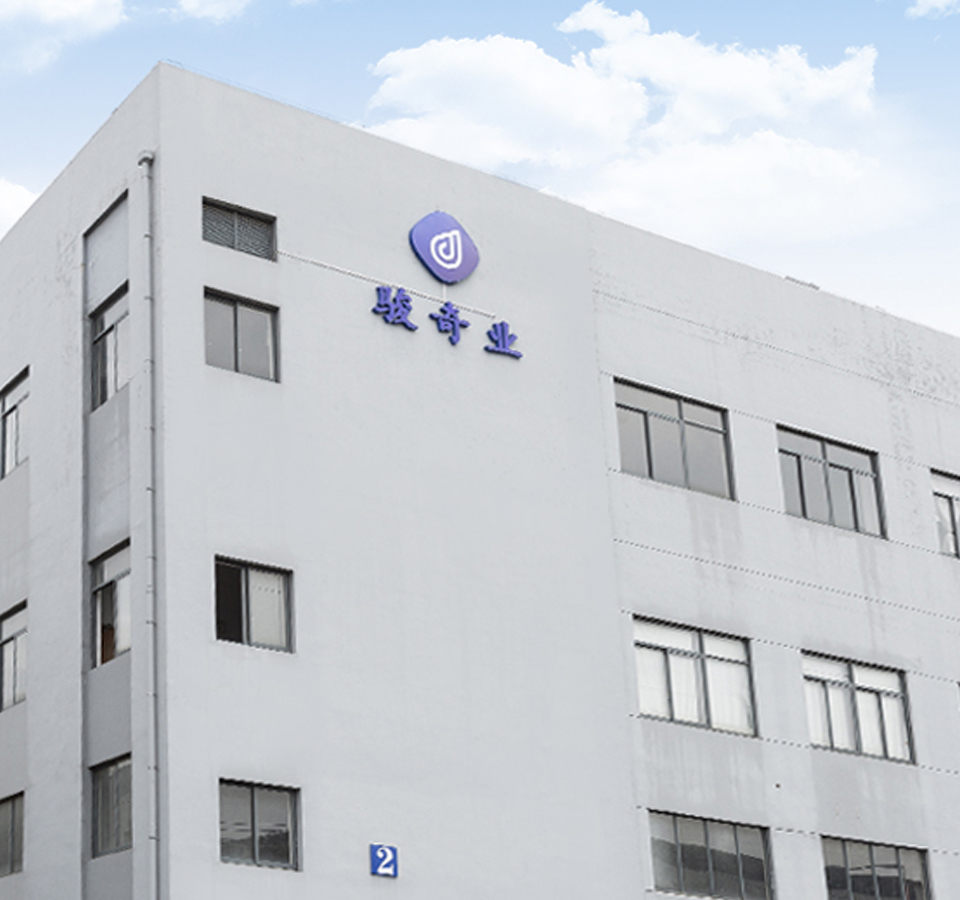
With over 15 years of industry experience and an advanced in-house production line in the Wujiang Economic Development Zone, we supply standard and custom BIB configurations for applications ranging from broadacre farming to greenhouse horticulture and contract spraying services.
Why Choose BIB for Agrochemicals?
Bag-in-box packaging offers distinct advantages over rigid containers for liquid crop protection and nutrition products:
- Chemical resistance: Multi-layer films with fluorinated PE or nylon laminates resist solvent-based formulations, preventing swelling, delamination, and permeation.
- UV protection: Metallized layers and opaque cartons shield photosensitive active ingredients from degradation.
- Closed-loop dispensing: Integrated connectors allow sealed transfer to application equipment, reducing operator exposure.
- Space efficiency: BIB systems use up to 40% less storage space than rigid drums and collapse when empty, lowering return logistics costs.
- Disposal convenience: Triple-rinsed bags can be recycled through agricultural plastic programs, reducing environmental impact.
Our Agrochemical BIB Range
We offer a complete range of BIB packaging for liquid agrochemicals, tailored to the chemical class, viscosity, and application method. The table below summarizes our standard configurations:
| Product Type |
Typical Capacity |
Film Options |
Application |
| Liquid Fertilizer BIB |
5L, 10L, 20L |
Standard PE, EVOH barrier |
Nutrient solutions for fertigation and foliar feeding |
| Pesticide Concentrate BIB |
3L, 5L, 10L |
Fluorinated PE, nylon laminate |
Solvent-based insecticides, herbicides, fungicides |
| Herbicide Formulation BIB |
10L, 15L, 20L |
Metallized PET/PE for UV protection |
Pre-mixed or concentrated herbicides for field application |
| Plant Growth Regulator BIB |
1L, 3L, 5L |
High-barrier EVOH |
Sensitive hormone-based formulations |
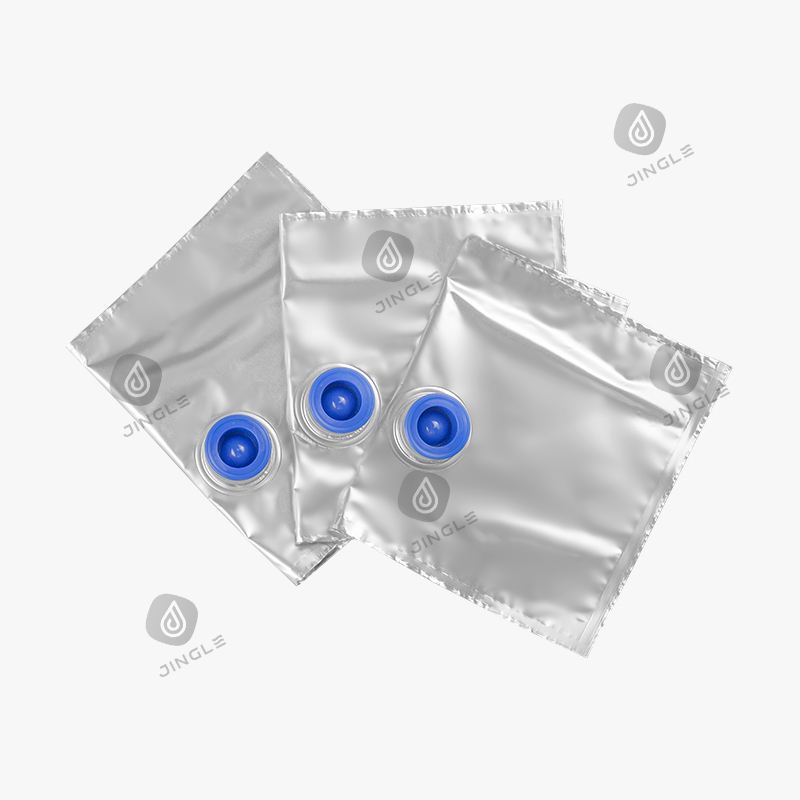
All bags are available with 25mm or 32mm spouts, dry-lock quick-disconnect connectors, and optional UN 4G/4GV certification for hazardous goods transport.
Engineering for Chemical Compatibility
Selecting the correct film structure is critical to prevent package failure and product degradation. Our engineering team evaluates the formulation chemistry—solvent type, pH, and active ingredients—to recommend the optimal barrier film.
- Fluorinated PE: For aggressive solvents like xylene and petroleum distillates.
- Nylon laminates: Provide puncture resistance and barrier to oxygen and moisture.
- EVOH layers: Offer high oxygen barrier for oxidation-sensitive actives.
- Metallized PET: Blocks UV light and extends shelf life for photodegradable products.
We perform compatibility testing per ASTM D543, measuring film swelling, permeation, and seal integrity under expected storage conditions. This ensures your product remains stable for 12–24 months.
Safety, Compliance, and Transport
Agrochemicals often fall under dangerous goods regulations. Our BIB systems can be engineered to meet UN 4G and 4GV certification, which involves rigorous drop, stack, and leakproofness testing. We also ensure compliance with ADR, IMDG, and IATA rules for road, sea, and air transport of limited quantities.
For operator safety, we integrate closed-loop dispensing connectors that minimize spillage and exposure. Our packaging is designed for safe handling during filling, transport, and field use.
Customization and Filling Equipment Support
We understand that each agrochemical product has unique packaging requirements. Our customization capabilities include:
- Capacity from 1L to 20L or more, based on your filling line and end-use.
- Custom film structures to match your formulation's chemical profile.
- Choice of connectors: dry-lock, ball valve, or tamper-evident options.
- Outer carton printing with your branding and hazard labels.
- Integration with our range of filling equipment for automated, precise filling.
Our team provides installation, commissioning, and operator training for filling lines, ensuring seamless integration with your production process.
Quality Assurance and After-Sales Service
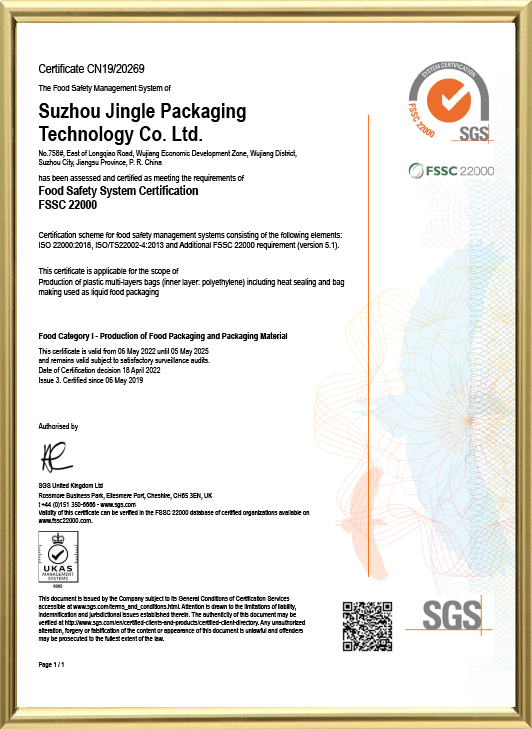
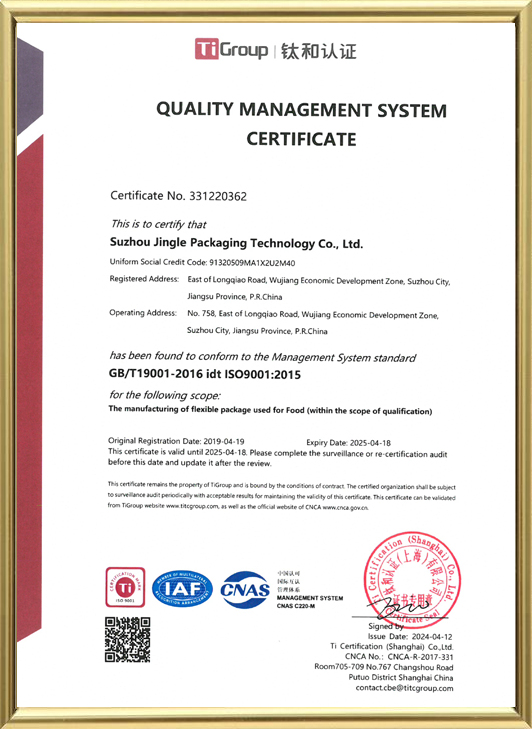
We operate under strict quality management, with each production batch tested for seal integrity, dimensional accuracy, and film performance. Our factory is equipped with advanced production lines that allow consistent quality across large volumes.
As a responsible manufacturer, we provide comprehensive after-sales support. If you encounter any issues during use, our technical team is available to resolve them quickly. We also offer guidance on triple-rinse disposal and recycling to help you meet environmental regulations.
Information We Use to Configure Your Solution
To prepare an accurate proposal and sample, please provide the following details:
- Product type (e.g., pesticide concentrate, liquid fertilizer) and chemical composition, including solvents and pH.
- Required capacity per bag and target fill volume.
- Dispensing method: pump connector, gravity tap, or direct connection to application equipment.
- Transport conditions and whether UN certification is needed.
- Expected shelf life and storage environment (temperature, UV exposure).
- Annual volume and packaging line speed to align filling equipment.
Frequently Asked Questions
Which film type is suitable for organophosphate pesticide concentrates?
Organophosphates are solvent-based and require fluorinated PE or nylon laminate films. Standard PE will swell and permeate when exposed to xylene or petroleum distillates. We recommend submitting a 500mL sample for 30-day compatibility testing before commercial adoption.
How do you prevent active ingredient degradation during field storage?
Many actives are photodegradable. We use metallized PET/PE laminate with oxygen transmission rates below 1.0 cc/m²/day and opaque cartons. For outdoor storage, we can add UV-stabilized coatings to the carton.
What UN certification is available for agrochemical BIB transport?
We can supply packaging that meets UN 4G and 4GV standards for limited quantities of hazardous liquids. This includes passing drop, stack, and leakproofness tests per UN guidelines. We provide certification documentation upon request.
How do you manage viscosity changes in cold weather?
For cold climates, we recommend 32mm spouts and low-temperature-flexible films. Pre-warming BIB units to 15–20°C for 4–6 hours before dispensing helps maintain flow rates.
Can you provide filling equipment for our BIB line?
Yes, we offer a range of filling machines designed for BIB packaging, including semi-automatic and fully automatic systems. We provide installation, commissioning, and training to ensure efficient operation.
 English
 中文简体
中文简体
 русский
 Español