Article Directory
In the global liquid food industry, the shift toward sustainable and cost-effective logistics has propelled bag-in-box (BiB) technology to the forefront of packaging strategies. For B2B procurement managers and food processors, selecting the right bag in box packaging equipment is a decision that impacts product shelf life, safety, and operational efficiency. Suzhou Jingle Packaging Technology Co., Ltd., located in the WuJiang Economic Development Zone, leverages over 15 years of industry experience to provide comprehensive solutions in flexible liquid packaging. Our team specializes in the development of both high-quality liquid packaging products and the advanced supporting bag in box filling machinery required to optimize production lines.
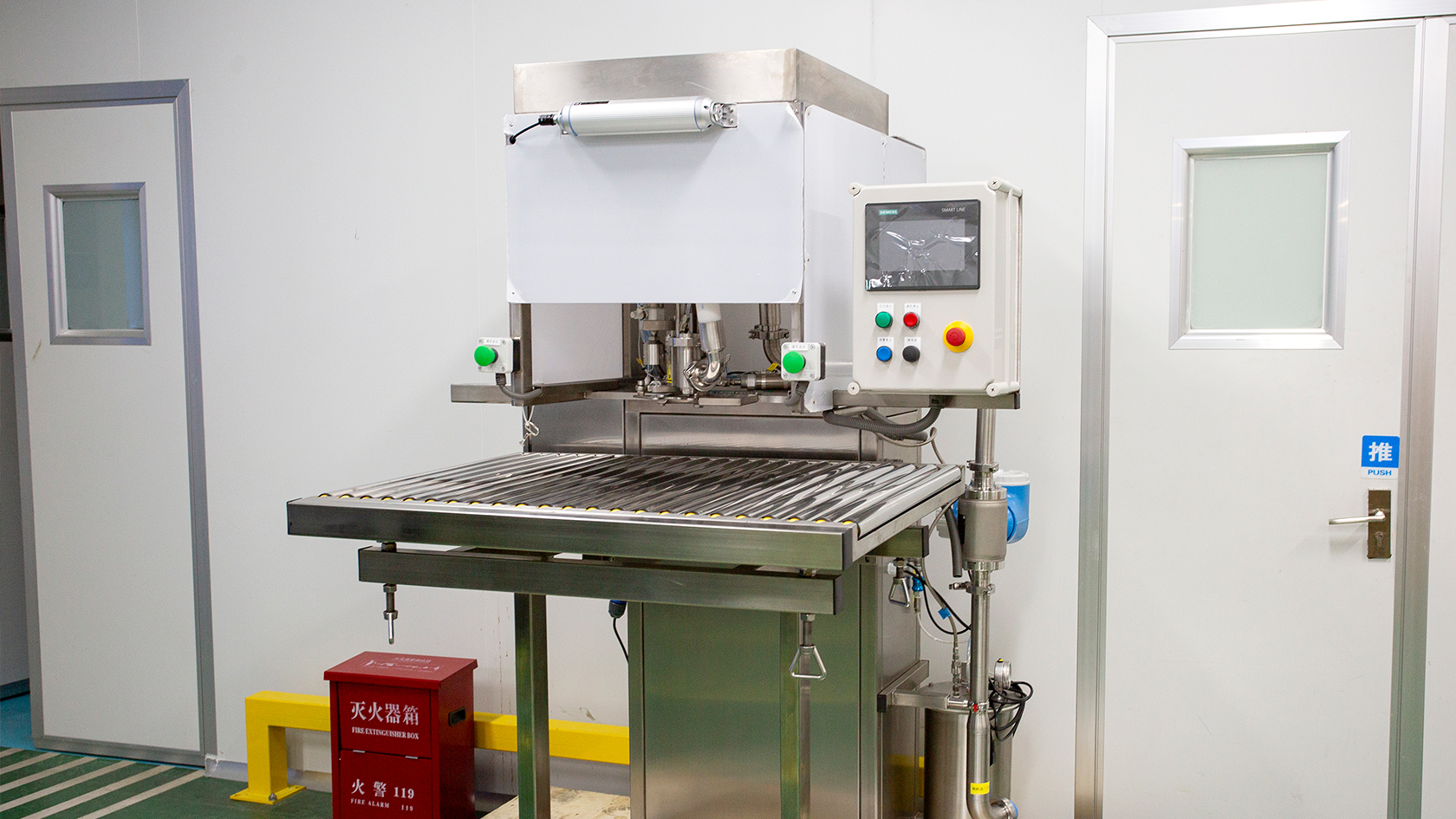
For liquid food products such as dairy, fruit juices, or liquid eggs, microbial stability is critical. An aseptic bag in box filling machine for food safety ensures that both the product and the packaging material are sterilized separately and combined in a sterile environment. In contrast, non-aseptic equipment is suitable for high-acid products or those with shorter cold-chain requirements, though it offers less protection against spoilage over long distances.
| Feature | Non-Aseptic Filling | Aseptic Filling Technology |
| Shelf Life | Short (Requires Cold Chain) | Extended (Shelf-stable at room temp) |
| Sterilization Process | Minimal to None | Steam or Chemical (H2O2) sterilization |
| Initial Investment | Lower Capital Expenditure | Higher Engineering Complexity |
Source: ISO 22000:2025 Food Safety Management Systems - Requirements for Packaging Machinery
The core value of bag in box packaging equipment lies in its ability to prevent oxidation. Liquid food products are highly sensitive to oxygen ingress, which can degrade flavor and nutritional value. High-end equipment must facilitate automated bag in box filling with oxygen removal, typically through vacuuming or nitrogen flushing cycles before sealing. This mechanical precision ensures that the residual oxygen levels remain below 2%, a standard requirement for export-grade liquid products.
Recent market statistics from 2024-2025 indicate that the demand for high-barrier flexible packaging is growing at a CAGR of 6.5%, driven by the need to reduce food waste in global supply chains.
Source: FAO - Global Food Loss and Waste Reduction Standards 2024
A versatile production line must accommodate a range of volumes, typically from 2L up to 220L or even 1000L for industrial use. When evaluating wholesale bag in box equipment for beverage industry applications, engineers prioritize the "changeover time" between different bag fitments (valves, taps, or glands). Unlike older rigid systems, modern multi-size bag in box filling solutions utilize modular filling heads that can be adjusted with minimal downtime.
| Mechanism | Single-Head Semi-Auto | High-Speed Fully Automated |
| Production Throughput | 1-3 Bags per Minute | 10-15 Bags per Minute |
| Fitment Compatibility | Manual Changeover Required | Universal Gland/Valve Adapters |
| Labor Intensity | Requires 1-2 dedicated operators | Fully autonomous with monitoring |
In the food and beverage field, "Clean-In-Place" (CIP) and "Sterilization-In-Place" (SIP) are non-negotiable features. High-quality bag in box packaging equipment must be constructed from 316L stainless steel to resist corrosion from acidic food products and aggressive cleaning agents. Suzhou Jingle Packaging Technology Co., Ltd. integrates advanced CIP interfaces into our filling equipment, allowing for automated sanitation cycles that meet the latest 2025 EHEDG (European Hygienic Engineering & Design Group) guidelines.
Investing in bag in box packaging equipment is not just about the machine; it is about the synergy between the filling technology and the flexible bag itself. By choosing a partner like Suzhou Jingle, customers benefit from over 15 years of technical knowledge and a "complete solution" approach—from the advanced design of the bag-in-the-box production line to dedicated after-sales service. This holistic strategy ensures that liquid food producers can explore new market opportunities with confidence, knowing their products are protected by world-class engineering.
Address
No. 758 Longqiao Road, Wujiang Economic Development Zone, Suzhou, Jiangsu, China, 215200
cs3@suzhoujingle.com ( Ellie Li )
sales-sea@suzhoujingle.com ( Alex Too )
billhe@suzhoujingle.com ( Bill He )
kennyyan@suzhoujingle.com ( Kenny Yan )
Phone
+86-51263068181
Fax
+86-51263068282

Suzhou Jingle Packaging Technology Co., Ltd. mainly develops and produces Aseptic BIB Packaging/Bag Products for food, beverage, and non-food fields, supporting the filling equipment, selling self-produced packaging products, and providing corresponding after-sales services.
Keep in touch

 English
 中文简体
中文简体
 русский
 Español