English
 中文简体
中文简体
 русский
 Español

Bag-In-Box Packaging Filling Equipment
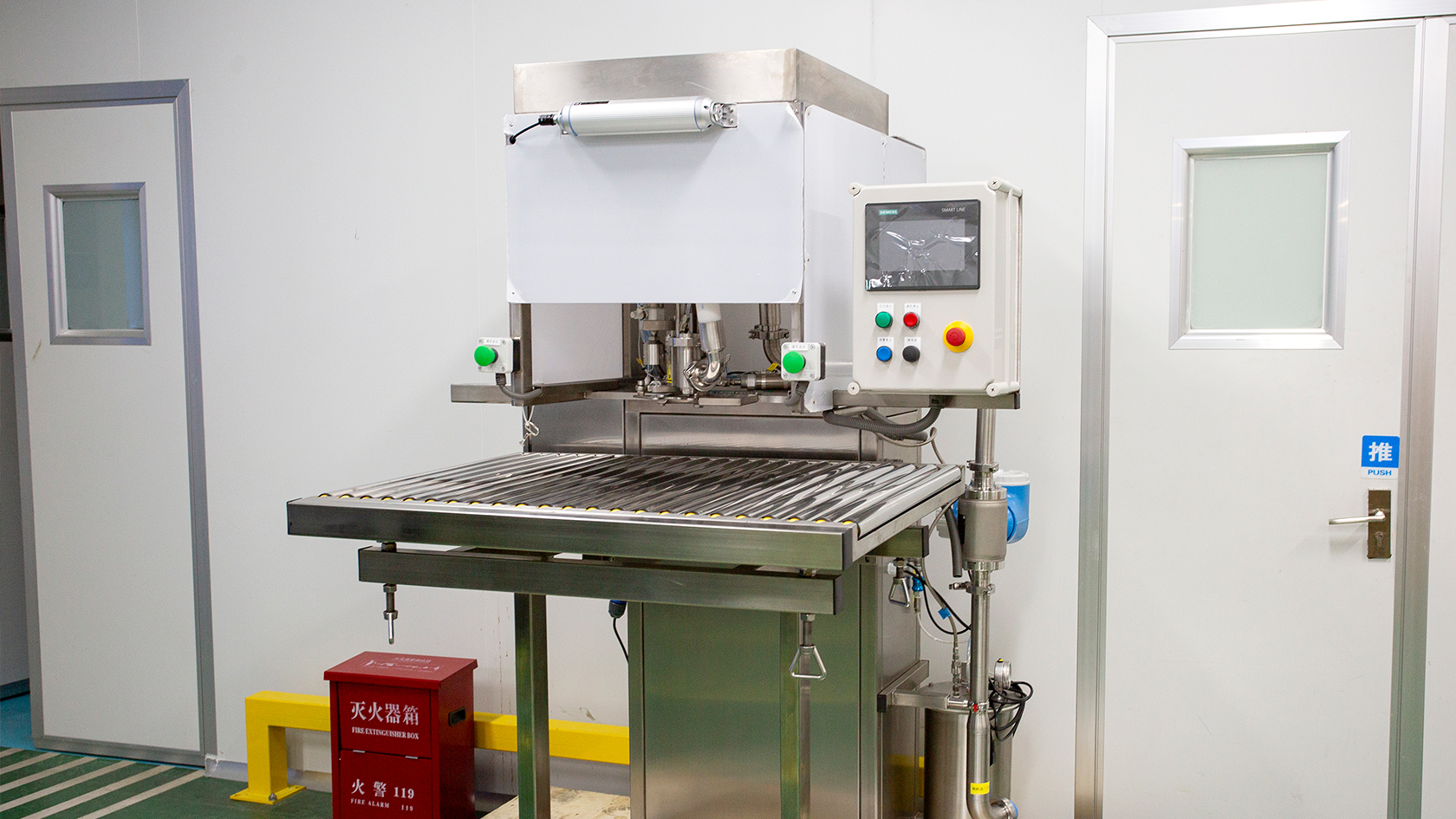
Semi-automatic and fully automatic filling machines engineered for Bag-In-Box packaging production lines. Integrated systems for bag insertion, product filling, spout capping, and case erection with throughput capacities from 200 to 2,000 bags per hour across food, beverage, dairy, chemical, and pharmaceutical liquid applications.
BIB packaging filling equipment encompasses the complete machinery line required to transform empty Bag-In-Box components into filled, sealed, and case-packed finished products. Equipment modules include automatic bag insertion stations that open and position the empty bag within the outer carton, precision volumetric or mass-flow filling heads that dispense product into the bag through the spout, automated capping and tap insertion units that seal the filled bag, and case erection and closing systems that prepare the outer carton for palletizing. Both semi-automatic configurations for small to medium production volumes and fully automatic inline systems for high-throughput operations are available. Aseptic filling equipment with sterile filling environments and validated sterilization protocols supports extended ambient shelf life products including UHT dairy, liquid egg, and pharmaceutical intermediates.
Core Advantages
Volumetric piston fillers and magnetic flow meter systems achieve filling accuracy within ±0.5% of target volume. Automatic tare weight compensation and temperature-density correction ensure consistent fill levels across production runs regardless of product viscosity or ambient conditions.
Tool-less spout clamping mechanisms and recipe-driven filling parameter storage enable product changeover in under 15 minutes. Multi-lane filling heads support simultaneous filling of different products on independent lanes without cross-contamination risk.
Aseptic filling systems with ISO Class 5 laminar flow hoods, spout sterilization using hydrogen peroxide vapor or pulsed UV light, and automated environmental monitoring meet FDA aseptic processing guidelines for low-acid liquid products requiring ambient shelf stability.
In-line checkweighers, seal integrity testers, and vision inspection systems verify fill weight accuracy, cap torque, and label placement on every filled BIB unit. Reject stations automatically divert non-conforming units without stopping production flow.
Equipment Specifications By Automation Level
Application Scenarios By Production Environment
Common Questions & Equipment Selection Guidance
Q1 How to determine the correct filling equipment throughput for a new BIB production line?
Throughput selection balances current production volume requirements with 3–5 year growth projections. Semi-automatic systems at 200–600 bags per hour suit startup operations and regional brands with annual volumes below 500,000 units. Fully automatic lines at 800–1,500 bags per hour serve mid-tier brands with 500,000–2 million annual units. High-speed lines exceeding 1,500 bags per hour are specified for co-packing facilities and multinational brands exceeding 2 million annual units. The BIB equipment supplier conducts a production needs analysis including SKU count, changeover frequency, and labor availability before recommending specific machine configurations.
Q2 What aseptic filling validation is required for ambient shelf-stable products?
Aseptic BIB filling requires validation per FDA 21 CFR Part 113 for low-acid canned foods or equivalent regional regulations. The validation protocol includes media fill simulations demonstrating a sterility assurance level of 10⁻⁶, spout sterilization efficacy studies using bacterial spore challenges, environmental monitoring of the aseptic filling zone per ISO 14644, and filter integrity testing for sterile air and gas systems. The equipment supplier provides an installation qualification and operational qualification package. Process qualification with the customer's product and packaging materials is conducted during commissioning before commercial production begins.
Q3 Can existing filling lines be upgraded from semi-automatic to fully automatic?
Modular BIB filling equipment allows phased automation upgrades. A manual bag insertion station can be upgraded with an automatic bag opening and positioning module. Single-head fillers can be expanded with additional filling heads on the same frame. Manual capping stations can be replaced with automatic cap sorting, placement, and torque-controlled tightening units. Case erection and closing modules can be added to create a complete inline system. The original equipment manufacturer assesses the existing machine frame, control system, and utilities to determine upgrade compatibility and provides a phased implementation plan with production impact minimization during each upgrade stage.
Q4 What maintenance program is recommended for BIB filling equipment?
A preventive maintenance program with daily, weekly, monthly, and annual tasks ensures filling equipment reliability. Daily tasks include filling nozzle cleaning, seal inspection, and checkweigher calibration verification. Weekly tasks cover conveyor belt tension checks, pneumatic system filter cleaning, and sensor lens cleaning. Monthly tasks include drive chain lubrication, electrical connection torque verification, and software backup. Annual tasks encompass complete machine overhaul with wear part replacement, filling accuracy recalibration, and control system software updates. The equipment supplier provides detailed maintenance manuals, spare parts lists with recommended inventory levels, and optional service contracts with remote monitoring and on-site technician visits.