English
 中文简体
中文简体
 русский
 Español

Food And Beverage BIB Packaging
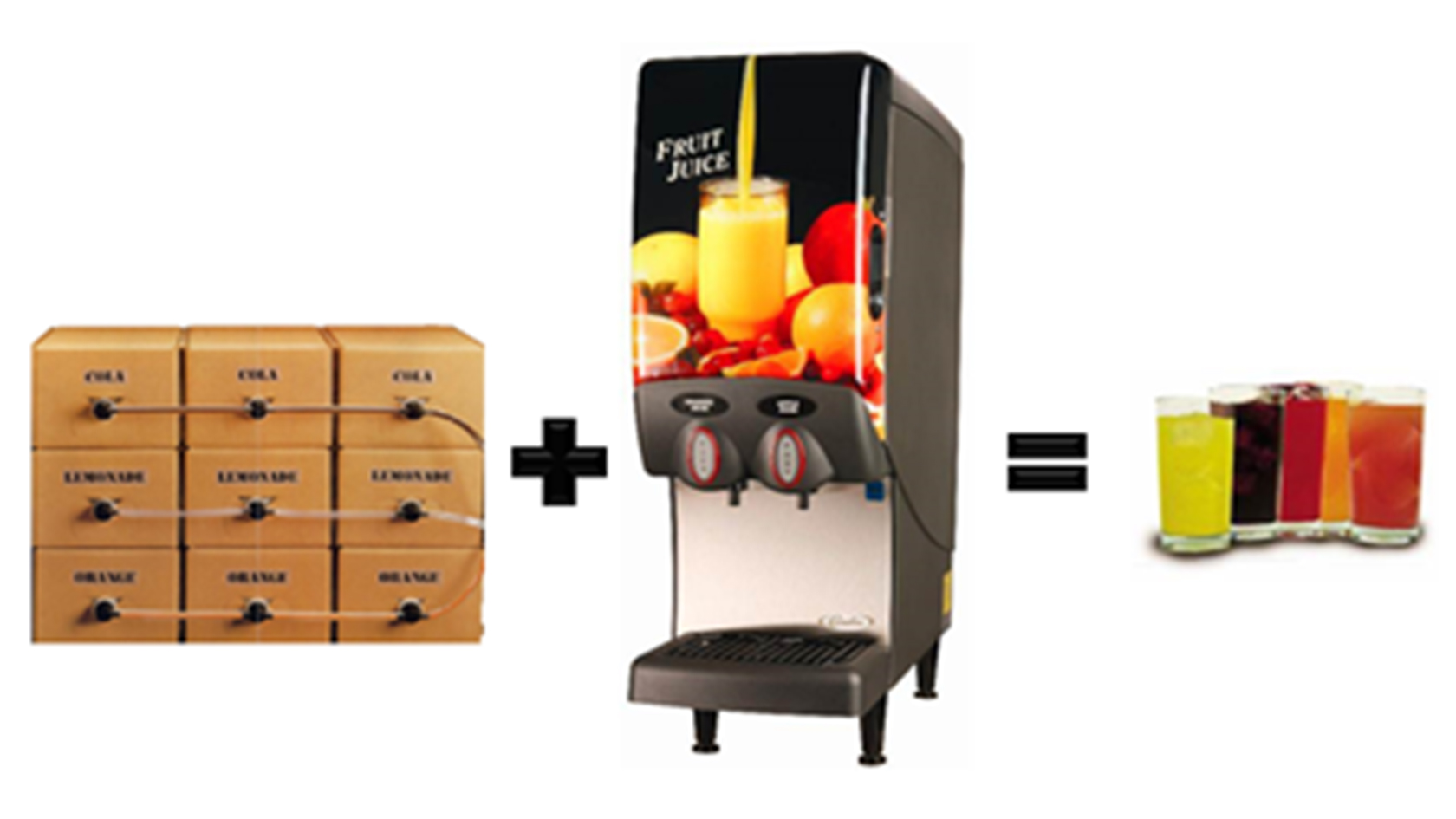
Complete Bag-In-Box packaging systems engineered for coffee, tea, lactic acid beverages, soda syrup, juice, smoothies, water, alcohol, and juice concentrate applications. Multi-layer barrier films with integrated dispensing valves deliver extended shelf life, reduced logistics costs, and sustainable packaging performance across the full food and beverage supply chain.
Food and beverage BIB packaging combines advanced multi-layer barrier film technology with precision dispensing valves to create a complete liquid containment and delivery system. The inner bag utilizes EVOH or metallized film layers that protect contents from oxygen ingress and ultraviolet light exposure, keeping liquids fresher up to three times longer than traditional rigid packaging formats. Lightweight, space-efficient designs reduce storage, transportation, and material costs by approximately 30% compared to glass bottles or rigid plastic containers of equivalent volume. FDA-approved recyclable materials contribute to a 40% lower carbon footprint versus rigid packaging alternatives. Patented anti-leak taps ensure smooth pouring with 100% product evacuation, eliminating residual waste, while high-resolution digital printing on outer cartons enables vibrant custom branding and marketing message integration.
Core Advantages
Advanced multi-layer films with EVOH oxygen barrier and metallized UV-blocking layers protect contents from oxidative degradation. Liquids stay fresher up to three times longer than traditional packaging, with unopened shelf life reaching 12–18 months for oxygen-sensitive beverages such as wine, juice, and cold brew coffee.
Lightweight BIB construction reduces packaging material weight by up to 85% versus glass bottles. A 10-liter BIB unit weighs under 300 grams compared to over 2,500 grams for equivalent glass. This weight reduction combined with flat-packed empty component shipping lowers storage, transportation, and material costs by approximately 30%.
FDA-approved food-contact materials with 40% lower carbon footprint versus rigid packaging. The corrugated outer carton is fully recyclable through standard paper streams. Mono-material PE film options under development for enhanced end-of-life recyclability. Lightweight format reduces transport-related carbon emissions per unit of product delivered.
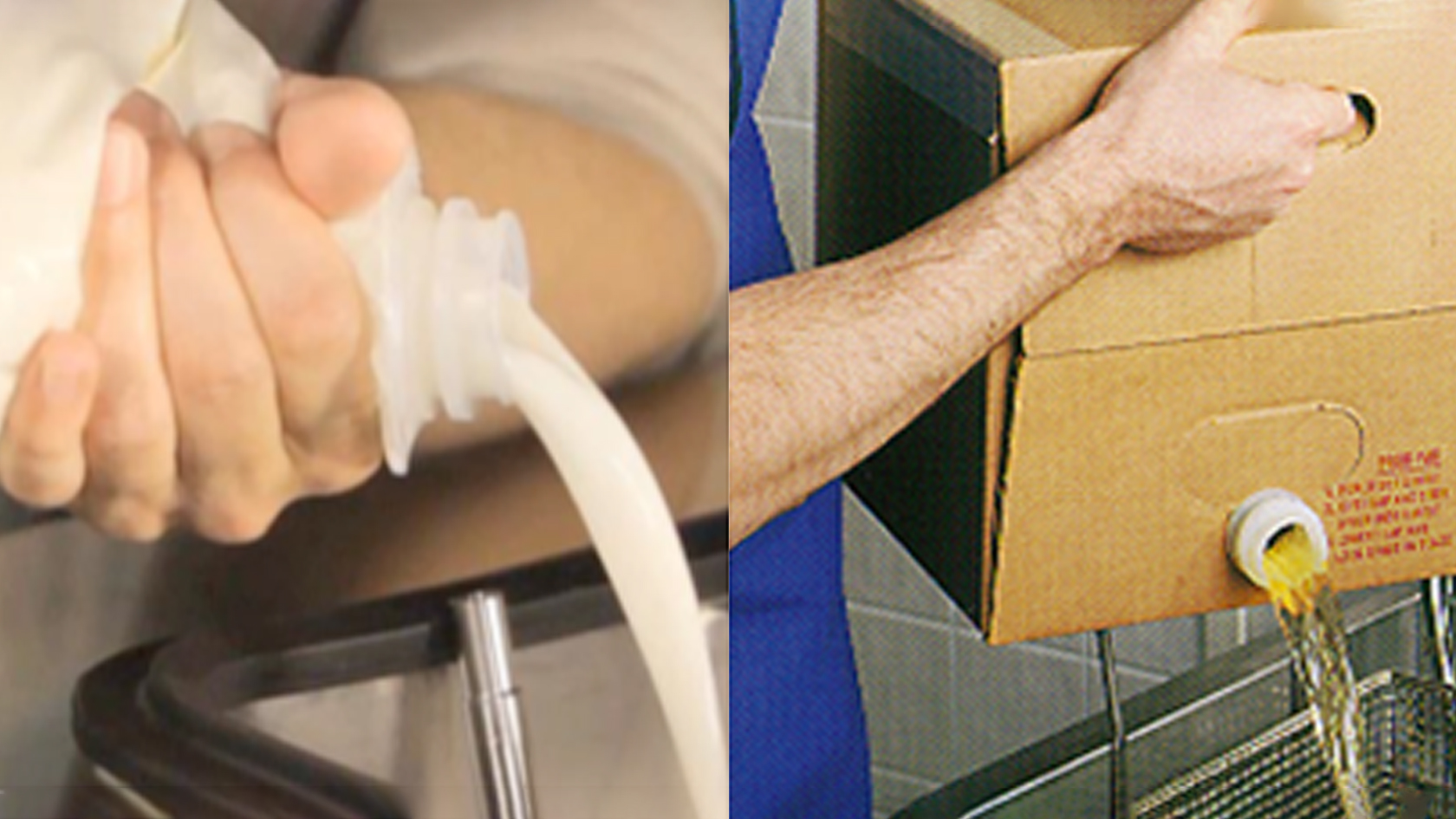
Patented anti-leak tap mechanisms ensure smooth, controlled pouring with drip-free closure. The collapsible bag design enables 100% product evacuation, eliminating residual product waste common with rigid containers. Self-sealing taps prevent contamination between uses without additional closures or caps.
High-resolution digital printing technology delivers vibrant logos, product photography, nutritional information, and marketing messages directly onto the outer corrugated carton. Full-color flexographic and digital print options with matte or gloss finish. No minimum order quantity constraints for custom-printed cartons with digital print technology.
Product Characteristics By Beverage Category
Application Scenarios
Common Questions & Operational Guidance
Q1 How long do BIB-packaged beverages stay fresh after opening?
Post-opening shelf life varies by product type and storage conditions. Wine and juice products maintain freshness for 4–6 weeks under refrigeration due to the air-free collapsible bag design. Coffee concentrates last 4–6 weeks refrigerated. Soda syrup at ambient temperature maintains quality for 3–4 weeks post-opening. The one-way dispensing tap prevents ambient air and microbial ingress, extending post-opening freshness significantly compared to rigid containers where headspace air contacts the product after each pour.
Q2 Are BIB materials recyclable and what sustainability certifications are available?
The corrugated outer carton is fully recyclable through standard paper recovery streams. The polyethylene inner bag is recyclable where PE film collection programs exist. BIB packaging demonstrates a 40% lower carbon footprint compared to equivalent glass bottle packaging per life cycle assessment studies. FSC-certified paperboard options are available for the outer carton. FDA-approved food-contact materials comply with 21 CFR 177.1520. Sustainability documentation including carbon footprint analysis and recyclability statements is available for customer sustainability reporting.
Q3 What custom branding options are available for BIB outer cartons?
High-resolution digital printing enables full-color graphics, product photography, logos, QR codes, nutritional labeling, and marketing messages directly on the corrugated carton. Digital print technology eliminates plate costs associated with traditional flexographic printing, making small-batch custom printing economically viable. Flexographic printing is available for high-volume production runs with up to 6-color process printing. Matte and gloss varnish finishes are available for enhanced shelf appeal. Custom tap colors and branded dust caps provide additional brand touchpoints on the dispensing interface.
Q4 How does BIB packaging achieve 100% product evacuation?
The flexible multi-layer inner bag collapses uniformly as product is dispensed, driven by atmospheric pressure on the exterior bag surface. The bag film is engineered with anti-block surface properties that prevent the film layers from sticking together during collapse. Combined with the tap positioned at the lowest point of the bag when the BIB unit is properly oriented, this design achieves product recovery rates exceeding 99.5%. For viscous products such as smoothies or juice concentrates, a slight tilt of the BIB unit during final evacuation ensures complete product recovery.