How Bag-in-Box Packaging Drives Logistics and Warehousing Efficiency
Bag-in-Box (BiB) packaging provides significant efficiency solutions for enterprises in logistics and warehousing through its unique design and material properties, specifically reflected in the following aspects:
1. Drastic Reduction in Storage Space
The collapsible and lightweight design of BiB has a direct impact on warehousing efficiency:
- Empty Storage: When in an empty state, BiB can be folded flat. Compared to rigid containers, it can save up to 80% of storage space.
- Real-World Case: An industrial lubricant company reduced its warehouse space requirement from 2,000 square meters to 400 square meters after switching to BiB, saving over 180,000 euros annually in storage costs and energy consumption alone.
2. Optimized Transport and Loading Efficiency
The structural design of BiB ensures extremely high efficiency during the transportation process:
- Stacking and Palletization: The cubic exterior structure of BiB makes it exceptionally easy to stack and palletize, allowing for maximum utilization of truck loading space.
- Higher Volumetric Efficiency: Compared to traditional packaging, BiB can load more liquid per unit of volume, meaning more product can be moved in a single trip, thereby reducing total packaging materials and transport frequency.
- Reduced Transport Energy Consumption: Because BiB is much lighter than glass or metal containers, it effectively lowers fuel consumption and overall logistics expenses. Studies show that the lightweight design of BiB can reduce transport-related carbon emissions by 50-60%.
3. Minimal Breakage for Secure Logistics
In long-distance transport, packaging durability is directly related to logistics loss:
- Robust Structure: Unlike fragile glass bottles, BiB packaging can withstand rough handling and impacts during transit.
- Data Comparison: Statistics show that during a 1,000km journey, the breakage rate for glass bottles is 8.2%, while the rate for BiB is only 0.7%. This extremely low breakage rate ensures product integrity and reduces additional logistics costs associated with returns or losses.
4. Enhanced Product Utilization and Operational Efficiency
- Precision Dispensing: The integrated tap valve system allows for controlled pouring, reducing splashes and product waste, thereby improving the efficiency of last-mile delivery and usage.
- Extended Shelf Life: Using high-barrier materials (such as EVOH/PA multi-layer films) effectively blocks oxygen and light, extending the shelf life of liquid products and reducing inventory turnover pressure caused by expiration.
By adopting BiB packaging, enterprises can not only achieve cost reductions of up to 40% but also realize significant process optimization in warehouse management and logistics distribution.
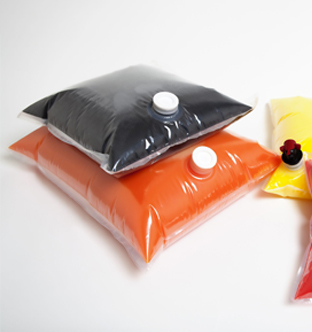
Carbon Reduction Performance Data of BiB Packaging
Bag-in-Box (BiB) packaging demonstrates significant data regarding carbon footprint reduction and sustainability, mainly reflected in three dimensions: transport emissions, material consumption, and recycling rates:
- 1. Significant Reduction in Transport Emissions:
- Logistics Reduction Ratio: According to GreenFreight logistics analysis, the lightweight design of BiB can reduce transport-related carbon emissions by 50-60%.
- Specific Emission Values: Under the condition of transporting 1,000 liters of liquid over 500km, using BiB packaging can save 217kg of carbon dioxide (CO2) emissions.
- Fuel Consumption: Since BiB is much lighter than glass or metal packaging, it significantly lowers fuel consumption and the overall logistics carbon footprint.
- 2. Significant Reduction in Plastic Consumption:
- Plastic Usage: Compared to traditional plastic bottles, BiB packaging reduces plastic consumption by 60%, aligning with global plastic reduction trends.
- 3. Higher Recyclable Material Content:
- Material Comparison: The proportion of recyclable materials in BiB packaging is as high as 85%, whereas this proportion for traditional plastic bottles is only 40%.
- Structural Advantage: The outer cardboard box is fully recyclable, and the inner bag can also be processed responsibly.
- 4. Indirect Emission Reduction in Warehousing and Production:
- Space Efficiency: BiB can be folded flat when empty, saving 80% of storage space compared to rigid containers.
- Energy Savings: This space efficiency directly translates into lower energy consumption for warehousing.
Can BiB Packaging Be Used for Hazardous Chemicals?
Yes, BiB (Bag-in-Box) packaging can be used for transporting hazardous chemicals.
- UN-certified: Professional suppliers provide UN-certified hazardous liquid packaging solutions. This means these packages have undergone rigorous testing to comply with international safety standards for dangerous goods transport.
- Customized Solutions: Enterprises can choose fully customized packaging based on specific chemical properties to meet stability requirements.
- High-Performance Materials: This packaging often uses advanced material science, such as EVOH/PA multi-layer barrier films, providing 3x more oxygen protection than standard materials.
- High Durability and Safety: The low breakage rate (0.7%) during long-distance transport greatly reduces the risk of hazardous chemical leaks compared to fragile traditional containers.
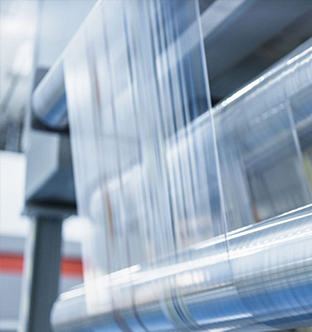
Which Industrial Liquids Are Suitable for BiB?
- Industrial Lubricants: Significantly reduces warehouse space requirements and costs.
- Hazardous Chemicals: Via specialized UN-certified packaging solutions.
- High-Stability Requirement Liquids: Ideal for industrial liquids needing high-barrier protection to maintain stability.
- Food-Grade Industrial Ingredients: Using FDA-approved food-grade bags for bulk liquid food transport.
How EVOH/PA Materials Enhance Chemical Stability
- Superior Oxygen Barrier: EVOH/PA multi-layer films provide 3x the oxygen protection of standard BiB materials, preventing oxidation and performance degradation.
- Environmental Shielding: Protects light-sensitive chemicals from photo-degradation and chemical breakdown.
- Extended Shelf Life: Isolates external factors to ensure chemicals maintain original potency throughout their lifecycle.
What Does a Customized BiB Plan Usually Include?
- Barrier Material Adjustment: Tuning the film formula based on oxygen, light, or moisture sensitivity.
- Safety Certification and Compliance: Providing FDA-approved food bags or UN-certified hazardous liquid packaging.
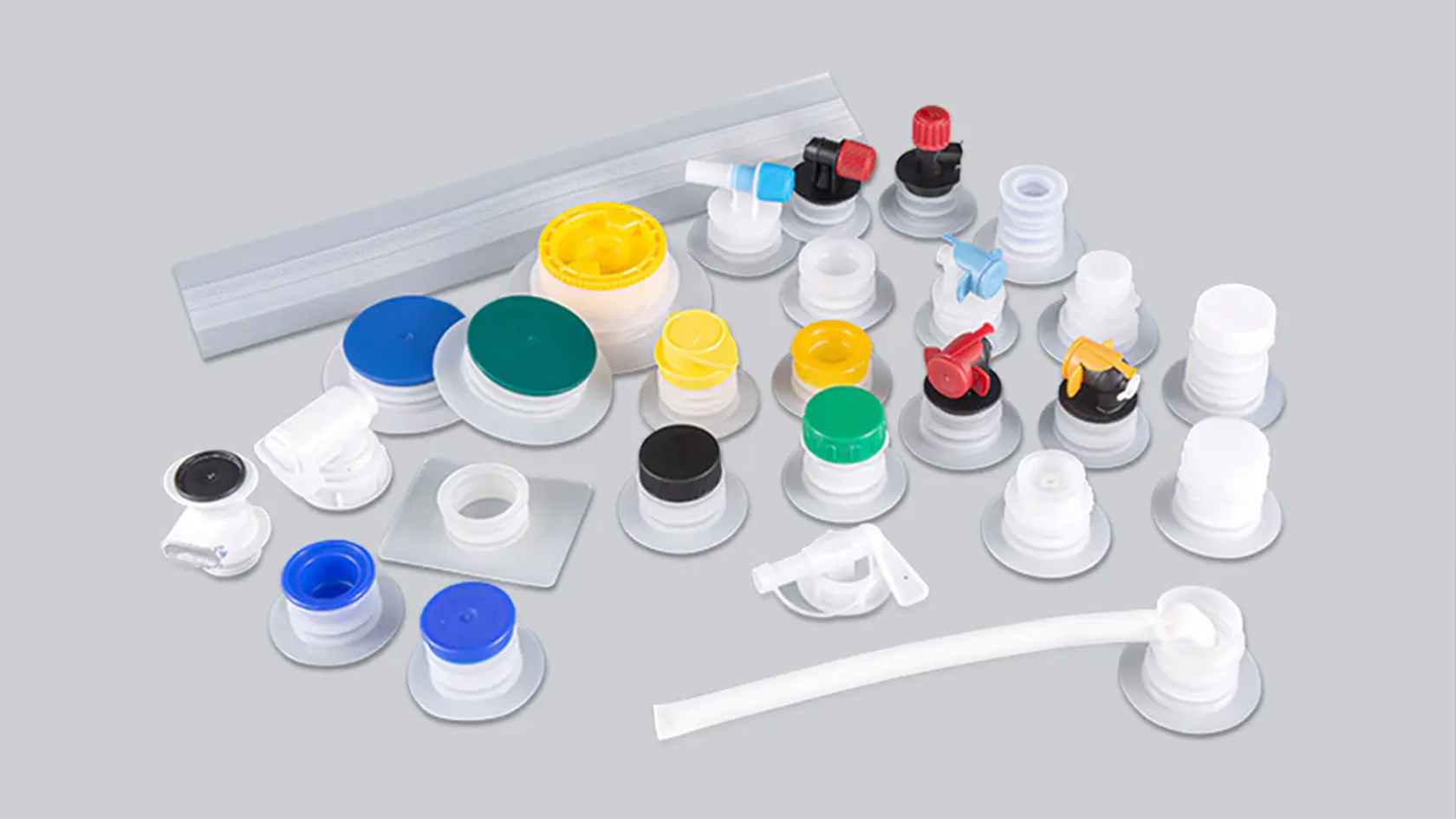
- Dispensing System and Valve Selection: Adjusting the tap valve system based on product viscosity to ensure precision dispensing.
- Logistics Compatibility: Optimizing dimensions for stackability and palletization to maximize cargo space.
- Cost and Process Audit: Professional suppliers provide a BiB Audit to develop strategies achieving up to 40% cost reduction.
How BiB Reduces Product Waste via Tap Valves
- Precision Dispensing and Zero Spill: The tap valve system allows for controlled pouring and accurate dosing, minimizing splashes and overflow.
- Preventing Air Ingress: The system prevents oxygen from entering the bag during dispensing, which, combined with high-barrier materials, prevents oxidation and extends freshness.
- High Evacuation Rate: The flexible design ensures liquid is efficiently discharged, leaving minimal residue compared to rigid containers.
- Loss Reduction: The low breakage rate (0.7%) ensures products are not lost due to packaging failure during transit.


 English
 中文简体
中文简体
 русский
 Español