How Bag-in-Box Packaging Extends the Shelf Life of Liquid Products
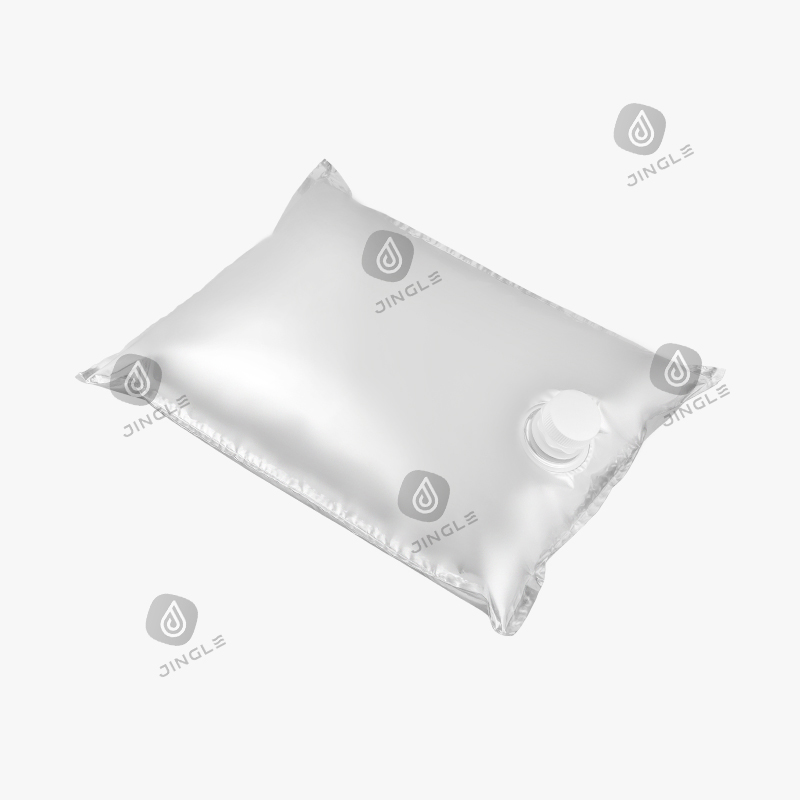
Bag-in-Box (BiB) packaging significantly extends the shelf life of liquid products, especially after opening, through its unique structural design and material properties. The core principles include:
- Superior Oxygen and Light Barrier: The inner bag is typically constructed from multiple layers of high-barrier, food-grade plastic films. This multi-layer structure minimizes oxygen permeation—the primary cause of oxidation, spoilage, and flavor degradation. Simultaneously, the outer corrugated cardboard box effectively blocks light, protecting the contents from light-induced deterioration.
- Unique Collapsible Bag Design: Unlike traditional rigid containers (such as glass bottles or plastic jugs), the inner bag collapses as the liquid is dispensed through the tap. This prevents air from entering the bag. In rigid containers, air rushes in to fill the void left by the dispensed liquid, accelerating oxidation; BiB ensures the remaining product stays in a vacuum or extremely low-oxygen environment.
- Extended Freshness After Opening: Due to the collapse mechanism, the contents remain isolated from external air even after the package is opened. This is critical for oxygen-sensitive products like wine, juice, and dairy, allowing consumers to enjoy fresh, high-quality products over multiple uses while reducing waste.
- Sealed Dispensing Valves: BiB systems feature specially designed taps or valves that remain hermetically sealed when not in use, further preventing microbial contamination and air ingress.
What Types of Liquid Products Are Best Suited for Bag-in-Box?
Bag-in-Box (BiB) is highly versatile and suitable for a wide range of liquid and semi-liquid products across various industries:
- Beverages:
- Wines and Spirits: Particularly for red wine, BiB minimizes oxygen contact to maintain quality after opening. Specialty valves also exist for products like champagne to maintain pressure.
- Fruit Juices: Protects juice from light and air to preserve vitamins and natural flavor profiles.
- Dairy and Alternatives: Effectively maintains the freshness of milk and plant-based milks (e.g., oat milk).
- Coffee Products: Ideal for dispensing iced coffee or coffee concentrates in commercial settings.
- Drinking Water: Provides an economical bulk dispensing solution that reduces plastic waste compared to traditional bottled water.
- Food and Condiments: Suitable for a variety of industrial ingredients including sauces, syrups, and edible oils.
- Non-Food Liquids:
- Personal Care and Cleaning: Ideal for hand sanitizers, liquid soaps, and various cleaning solutions.
- Industrial Chemicals: Inner bag materials can be customized to handle specific chemical compositions.
- Specialty Requirements:
- Oxygen-Sensitive Products: Perfect for liquids that degrade rapidly upon exposure to air.
- Aseptic Products: BiB can provide aseptic packaging to meet strict sterile environment requirements.
Common Capacity Specifications for Bag-in-Box
Bag-in-Box systems come in various sizes designed to meet needs ranging from retail consumption to industrial wholesale:
- Small & Consumer Sizes: Common sizes include 1 Liter, 2 Liters, and 3 Liters. These are popular for wine and juice as they fit easily in refrigerators or cabinets.
- Medium & Family Sizes: Includes 5 Liters and 10 Liters, often used for family gatherings or high-consumption items like drinking water and milk.
- Commercial & Bulk Sizes: Sizes like 5 Gallons (approx. 18.9 Liters) are standard in the food service and catering industries.
- Industrial Sizes: For large-scale transport and storage, ultra-large capacities of up to 1000 Liters are available.
Environmental Advantages of BiB vs. Traditional Plastic Bottles
Compared to rigid plastic bottles, Bag-in-Box (BiB) offers significant sustainability benefits across several dimensions:
- Reduced Plastic Usage: BiB typically consumes significantly less plastic than bottles or drums of the same capacity, reducing plastic waste at the source.
- Lower Carbon Footprint and Energy Consumption: The lightweight nature of BiB reduces fuel consumption during transport. Additionally, empty bags are flat before filling, optimizing shipping and storage space and improving logistics efficiency.
- More Efficient Waste Management: Once empty, the inner bag collapses, occupying far less landfill space than bulky rigid bottles. The outer corrugated box is usually made from recycled materials and is easily recyclable after use.
- Minimized Product Waste: Superior barrier properties extend the shelf life of liquids, meaning fewer products are discarded due to spoilage, leading to more sustainable resource utilization.


 English
 中文简体
中文简体
 русский
 Español