Article Directory
In the competitive landscape of industrial liquid distribution, supply chain managers are increasingly scrutinizing packaging efficiency to mitigate rising freight and warehousing expenses. Adopting a liquibox bag in box architecture offers a transformative shift from traditional rigid containers like plastic pails or metal drums. Suzhou Jingle Packaging Technology Co., Ltd., located in the Wujiang Economic Development Zone near Shanghai, leverages over 15 years of industry expertise to provide these advanced flexible packaging solutions. By integrating high-performance liquibox bag in box technology with our advanced production lines, we help global customers optimize their logistics footprint through significant reductions in weight and volume.
One of the primary drivers of logistics savings is the superior "cube efficiency" of the liquibox bag in box system. Rigid round containers create "dead space" on pallets due to their geometry, whereas the rectangular outer corrugated box of a bag-in-box system can be stacked with zero air gaps. This allows for more product to be loaded into the same shipping container or truckload. When analyzing bag in box vs rigid plastic pails shipping costs, the stackability of the flat-packed outer boxes—combined with the efficiency of the filled rectangular units—results in a higher density of liquid transported per cubic meter.
The transition from cylindrical pails to the liquibox bag in box format typically allows for an increase in pallet density, reducing the total number of shipments required for the same liquid volume.
| Metric | Traditional Rigid Pails | Liquibox Bag in Box System |
| Pallet Utilization | Approximately 75% - 85% | Approximately 95% - 100% |
| Units per Standard Pallet | Standard (Cylindrical gaps) | High (Flush rectangular fit) |
| Freight Cost per Liter | Higher due to wasted air space | Lower due to maximum density |
The logistics savings begin even before the liquid is filled. Rigid containers occupy the same amount of warehouse space whether they are full or empty, whereas empty bag-in-box components are shipped flat. For a high-volume manufacturer, how to reduce warehouse space with bag in box is a question answered by the dramatic reduction in pallet count for incoming packaging. Suzhou Jingle Packaging Technology Co., Ltd. provides comprehensive solutions that minimize inbound transport costs, allowing customers to store significantly more packaging units in the same warehouse footprint.
Because the flexible liners and corrugated outers are flat-packed, one truckload of empty liquibox bag in box components can replace multiple truckloads of empty rigid drums or pails.
| Container Type | Empty Units per Pallet | Inbound Transport Frequency |
| 20L Rigid Pails | Approx. 120 - 150 (Nested) | High frequency / High cost |
| 20L Liquibox Bag in Box | Approx. 500 - 800 (Flat-packed) | Low frequency / Low cost |
Weight is a critical factor in international shipping, especially for air freight and LTL (Less-than-Truckload) logistics. A liquibox bag in box system utilizes lightweight multi-layer films and corrugated cardboard, which significantly reduces the tare weight compared to heavy-duty plastic or steel. For engineers, weight reduction in liquid packaging for export is a key technical goal. By reducing the non-revenue-generating weight of the packaging, companies can lower fuel surcharges and improve their overall sustainability profile.
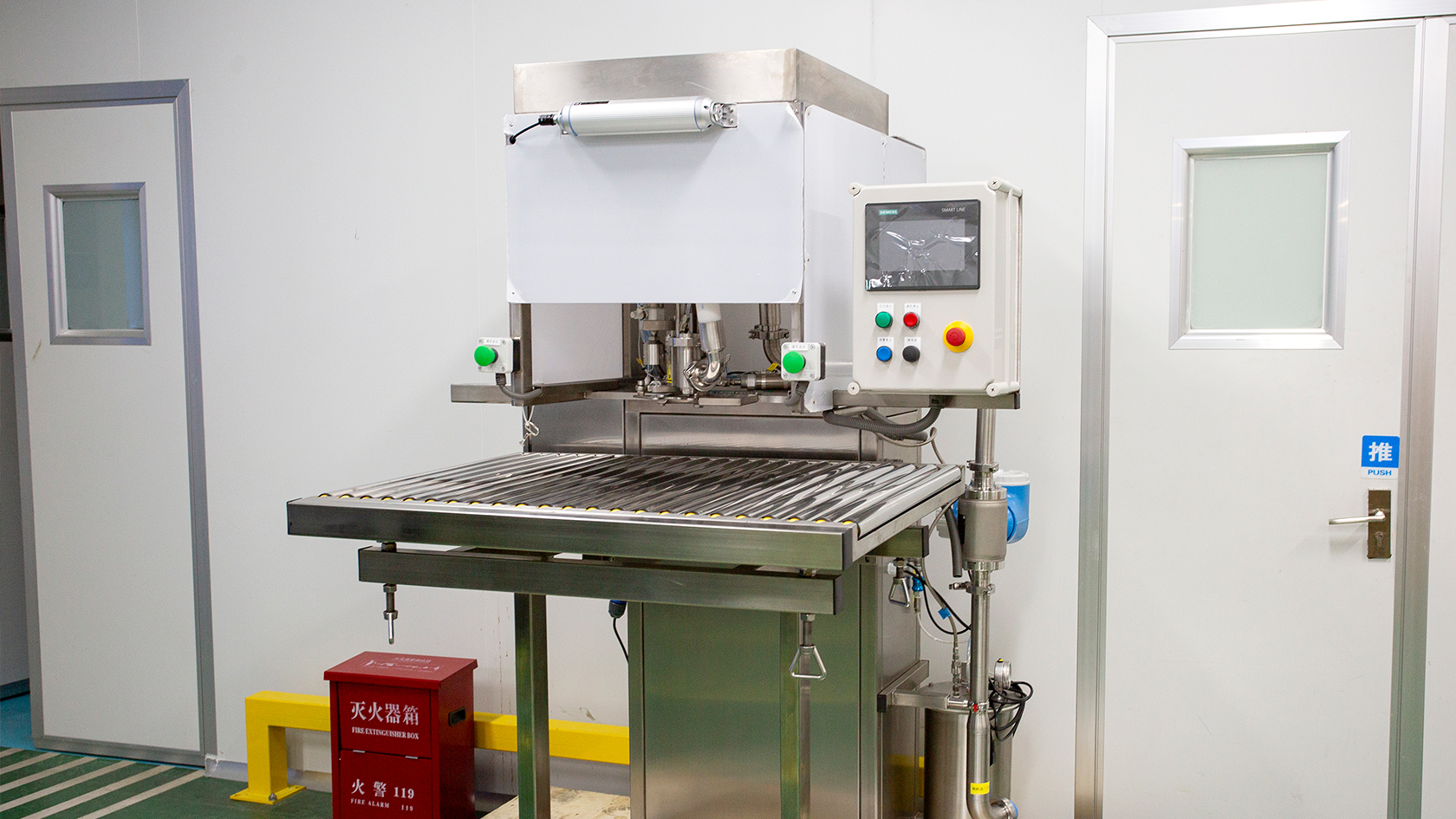
Logistics costs also encompass "hidden" expenses such as filling efficiency and post-consumer disposal. The liquibox bag in box system is compatible with automated bag in box filling equipment and logistics, reducing labor costs. Furthermore, once the industrial liquid is consumed, the bag is easily separated from the cardboard, reducing the volume of waste. Comparing bag in box vs drums disposal costs, the collapsible nature of used flexible packaging leads to fewer waste-removal pickups and lower landfill or recycling fees.
| Feature | Industrial Steel/Plastic Drums | Liquibox Bag in Box |
| Post-Usage Volume | Fixed (Large, empty shells) | Reduced (Collapsed film & flattened card) |
| Return Logistics | Requires costly empty-drum return | One-way / Easy local recycling |
| Cleaning/Reconditioning | High cost and chemical use | Not required (Single-use hygienic) |
Switching to a liquibox bag in box system represents a strategic investment in supply chain resilience. The cumulative savings in cube utilization, inbound warehousing, tare weight reduction, and waste management create a compelling financial case for industrial liquid manufacturers. Suzhou Jingle Packaging Technology Co., Ltd. remains committed to providing these high-standard, comprehensive solutions, ensuring that our customers can maximize market opportunities while minimizing logistical overhead through innovative flexible packaging design.
Yes. The system uses heavy-duty multi-layer films with excellent tensile strength and a high-burst-test corrugated outer box to handle the hydraulic pressure and vertical stacking loads of industrial liquids.
Because the boxes are rectangular, you can use interlocking pallet patterns that eliminate gaps. Our technical team at Suzhou Jingle Packaging can provide precise dimensioning to ensure your pallet maximizes the internal height of a standard shipping container.
Significantly. Because the packaging collapses after use, the volume of waste is reduced by up to 80% compared to rigid containers, leading to fewer waste collection cycles and lower fees.
Absolutely. We produce liners using specialized barrier films (such as EVOH or metallized polyester) to protect industrial liquids from oxidation during long-duration logistics and storage.
While some modifications may be needed, Suzhou Jingle Packaging provides supporting filling equipment and after-sales services to help you transition smoothly from rigid containers to flexible bag-in-box systems.
Address
No. 758 Longqiao Road, Wujiang Economic Development Zone, Suzhou, Jiangsu, China, 215200
cs3@suzhoujingle.com ( Ellie Li )
sales-sea@suzhoujingle.com ( Alex Too )
billhe@suzhoujingle.com ( Bill He )
kennyyan@suzhoujingle.com ( Kenny Yan )
Phone
+86-51263068181
Fax
+86-51263068282

Suzhou Jingle Packaging Technology Co., Ltd. mainly develops and produces Aseptic BIB Packaging/Bag Products for food, beverage, and non-food fields, supporting the filling equipment, selling self-produced packaging products, and providing corresponding after-sales services.
Keep in touch

 English
 中文简体
中文简体
 русский
 Español