Article Directory
In the rapidly evolving liquid flexible packaging sector, selecting the optimal machinery is a pivotal decision that impacts long-term operational costs and throughput. Bag in box packaging equipment has become the gold standard for transporting liquid products in food, beverage, and non-food industries. At Suzhou Jingle Packaging Technology Co., Ltd., we leverage over 15 years of industry experience to provide comprehensive filling solutions. Located in the Wujiang Economic Development Zone near Shanghai, our team understands that the true value of a bag in box packaging equipment system is measured by its Return on Investment (ROI) and the rigor of its maintenance protocols. This guide provides an engineering-level analysis of semi-automatic vs fully automatic BIB fillers to help manufacturers make data-driven procurement decisions.
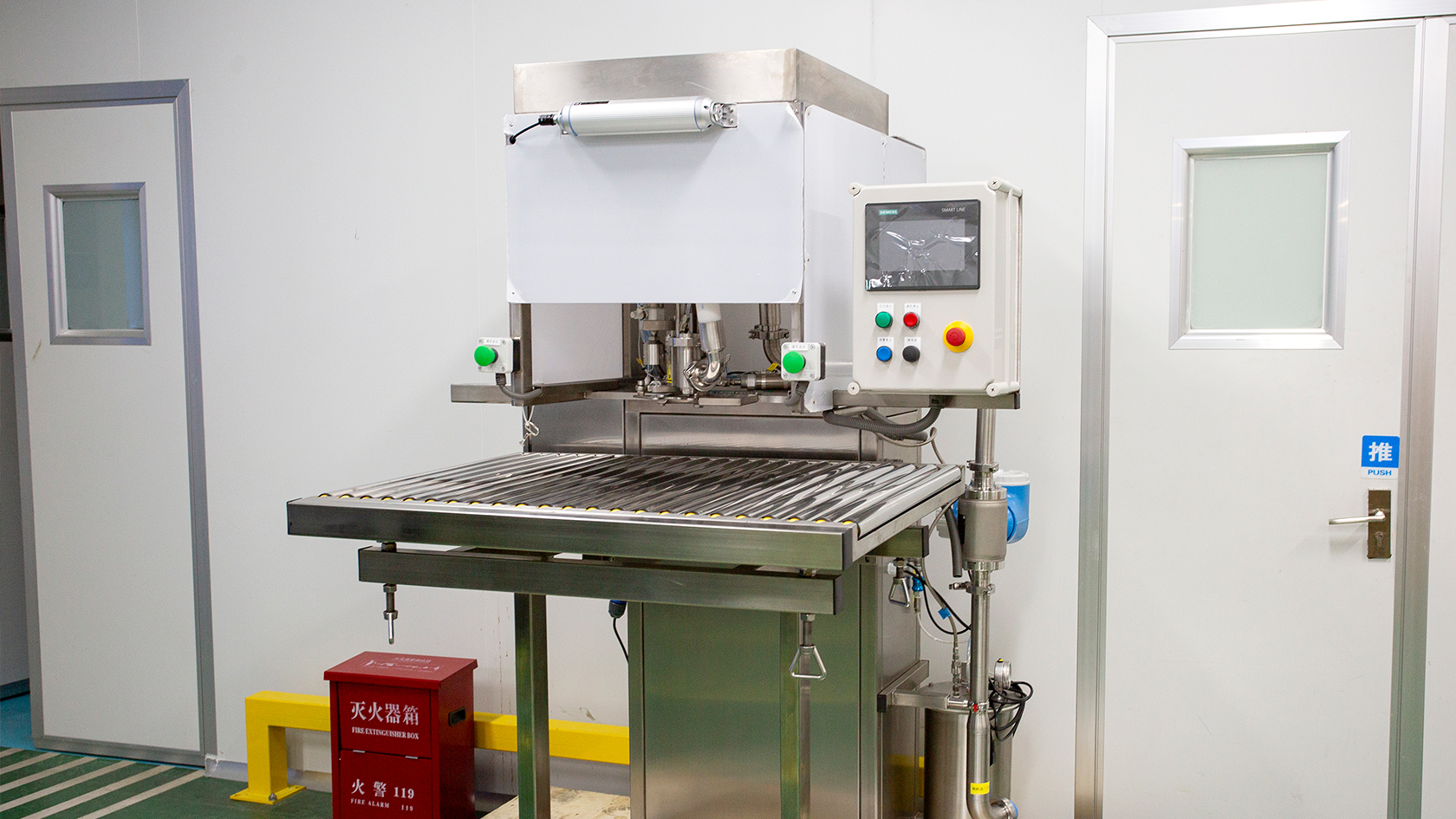
The maintenance profile of bag in box packaging equipment is largely dictated by the complexity of its motion control systems and its hygiene standards. Semi-automatic BIB filler maintenance tips often focus on manual valve calibration and seal replacements, whereas fully automatic systems require sophisticated monitoring of PLC-driven actuators and high-speed robotic arms. When comparing semi-automatic vs fully automatic BIB fillers, the automated units experience more "cycles" per hour, necessitating a more frequent maintenance schedule for liquid filling machines to prevent unplanned downtime. Suzhou Jingle's industrial bag in box filling machines are designed with modular components to streamline these cycles, ensuring that cleaning and sanitizing BIB equipment processes are efficient and compliant with food safety regulations.
| Maintenance Variable | Semi-Automatic BIB Filler | Fully Automatic BIB Filler |
| Minor Service Frequency | Every 1,000 Operating Hours | Every 500 Operating Hours (due to speed) |
| Wear Part Complexity | Low (Mostly seals/o-rings) | High (Actuators, sensors, vacuum pumps) |
| Technical Skill Level | General Operator | Specialized Mechatronics Technician |
Calculating the bag in box filling machine ROI requires a holistic view of Total Cost of Ownership (TCO). A fully automatic bag in box filler ROI is typically realized through the drastic reduction of manual labor and the precision of filling accuracy for bag in box systems, which minimizes product "giveaway." Conversely, semi-automatic BIB filling machine benefits include lower upfront capital expenditure, making them ideal for specialized or low-volume liquid flexible packaging solutions. Understanding how to calculate BIB machine ROI involves comparing the cost of human error and manual bagging speeds against the energy consumption and throughput of a high speed automatic BIB packaging line. Suzhou Jingle works closely with customers to actively explore these financial variables, ensuring the solution fits the market application perfectly.
| ROI Driver | Semi-Automatic Equipment | Fully Automatic Equipment |
| Typical Payback Period | 18 - 24 Months | 12 - 18 Months (at high volume) |
| Labor Requirements | 1 Dedicated Operator | 1 Supervisor for Multiple Lines |
| Productivity (BPM) | 2 - 5 Bags Per Minute | 10 - 20+ Bags Per Minute |
The decision on choosing between semi and fully automatic BIB machines should be guided by your specific liquid packaging production line requirements. For wine and dairy, aseptic bag in box filling equipment is non-negotiable to maintain shelf life. For non-food applications, BIB packaging equipment for chemicals must prioritize material compatibility over sterility. Suzhou Jingle's team, with over 15 years of industry experience, emphasizes that a custom bag in box packaging machine is often the best way to satisfy unique market demands. By integrating advanced design with reliable after-sales services, we provide the technical knowledge needed to navigate the semi-automatic vs fully automatic BIB filler debate effectively.
Whether you opt for the versatility of semi-automatic units or the high-volume efficiency of fully automatic lines, understanding the maintenance and ROI metrics is key. Bag in box packaging equipment is a long-term investment that requires a partner with strong technical knowledge and a commitment to ongoing development. Suzhou Jingle Packaging Technology Co., Ltd. remains dedicated to providing quality products and comprehensive solutions that satisfy market demand and help our customers actively explore new market opportunities with confidence.
With a rigorous maintenance schedule for liquid filling machines, a high-quality unit from a reputable manufacturer like Suzhou Jingle can operate effectively for 10-15 years.
While some modular components can be shared, the fully automatic bag in box filler ROI usually stems from a completely integrated chassis designed for high-speed motion, making full upgrades complex and often less cost-effective than a new line.
Accuracy is critical. Standard fillers aim for +/- 0.5%. Improving this to +/- 0.2% through fully automatic BIB filler maintenance and calibration can result in significant product savings over millions of cycles.
Yes. Chemical fillers require specific seal materials (like Viton or EPDM) and corrosion-resistant alloys, whereas food-grade machines focus on 316L stainless steel and cleaning and sanitizing BIB equipment capabilities.
Small businesses should focus on "Cost per Unit" (CPU). Include electricity, labor, and bag costs. If the CPU of a semi-automatic machine is 30% lower than current manual methods, the payback is usually very fast.
Address
No. 758 Longqiao Road, Wujiang Economic Development Zone, Suzhou, Jiangsu, China, 215200
cs3@suzhoujingle.com ( Ellie Li )
sales-sea@suzhoujingle.com ( Alex Too )
billhe@suzhoujingle.com ( Bill He )
kennyyan@suzhoujingle.com ( Kenny Yan )
Phone
+86-51263068181
Fax
+86-51263068282

Suzhou Jingle Packaging Technology Co., Ltd. mainly develops and produces Aseptic BIB Packaging/Bag Products for food, beverage, and non-food fields, supporting the filling equipment, selling self-produced packaging products, and providing corresponding after-sales services.
Keep in touch

 English
 中文简体
中文简体
 русский
 Español